As many specialized printers are becoming more affordable, many businesses are choosing to invest in their own equipment instead of outsourcing. There are a number of benefits to this, like potentially saving money over time and being able to make design updates quickly.
But these printers typically aren’t cheap either. So in this blog, let’s go over the basics of which businesses might benefit from this advanced equipment and why.
What Businesses Should Consider Production Printers?
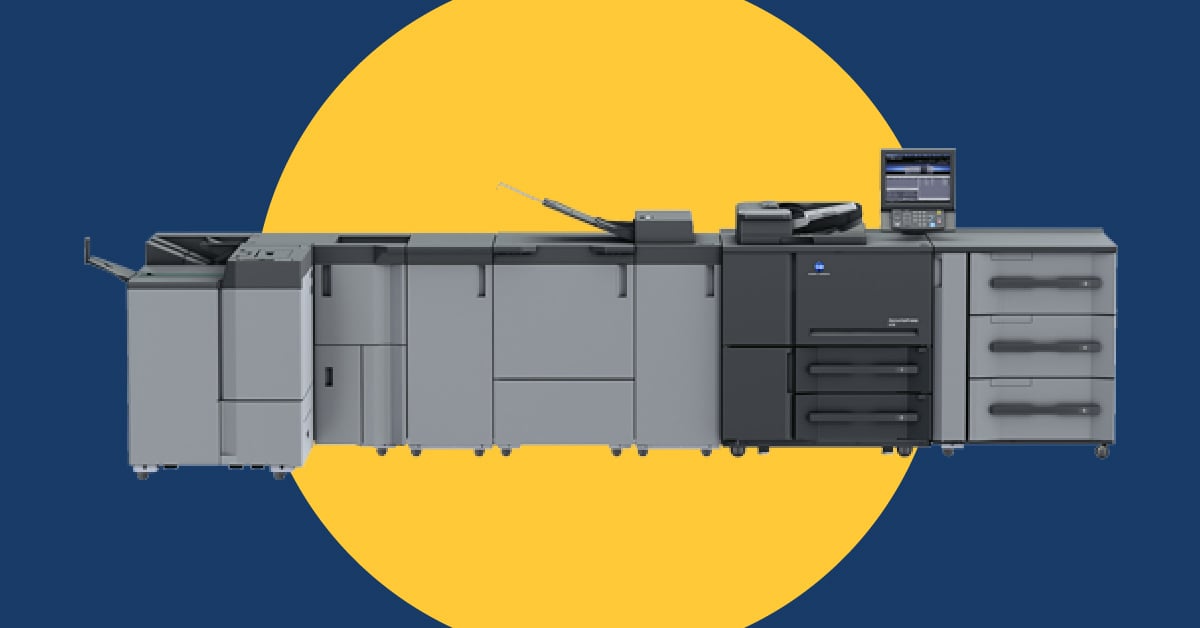
Production printers excel at producing high-volume print jobs, and while many businesses are trying to reduce their paper consumption and print costs, for other businesses, brochures, direct mail, statements, and posters are critical to attracting clients.
So, apart from professional print shops, here are the types of businesses that tend to invest in them…
Businesses That Need High-Volume Printing Solutions
You’ll find production printers at a lot of enterprise-scale businesses, but here are the small to midsize organizations that also tend to find value in in-house production printers:
- Marketing agencies/in-house departments
- Publishing companies
- Packaging businesses
- Schools
- Financial and insurance companies
- Event companies
- Healthcare organizations
- Retail chains
- Real estate firms
What Businesses May Need Large Format Printing Options?
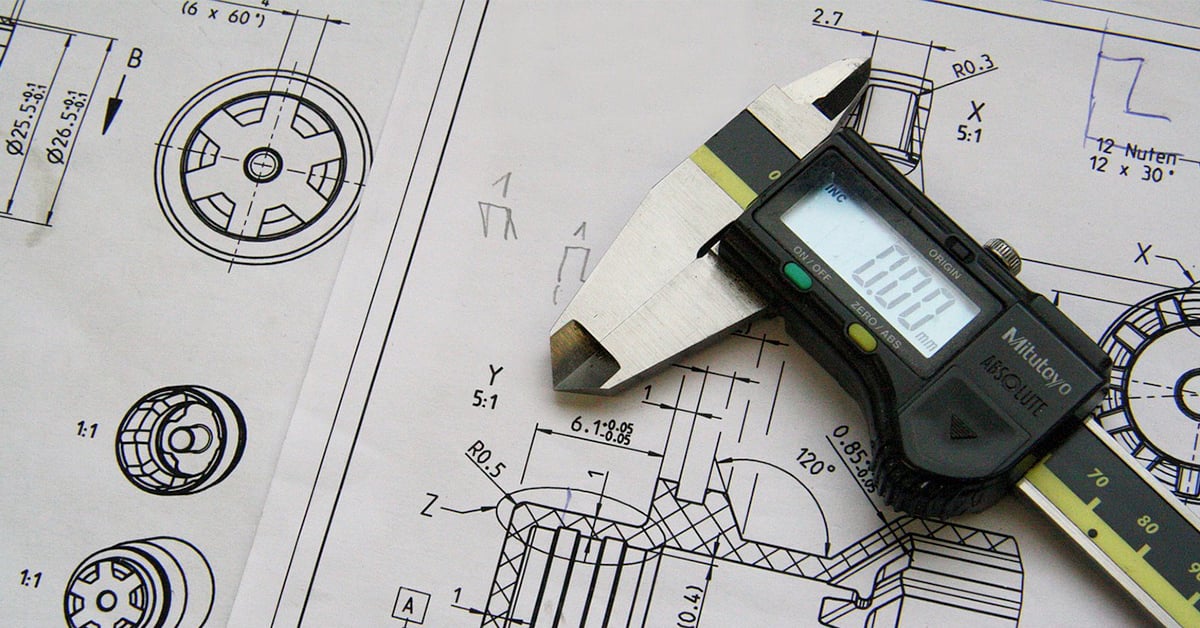
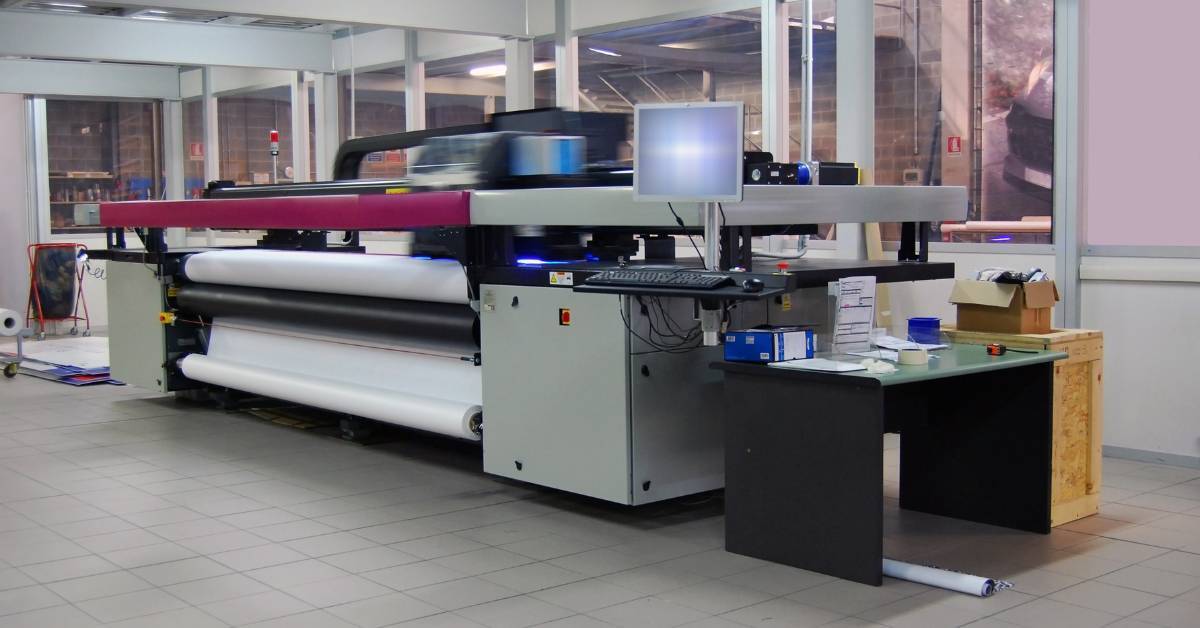
Large format (a.k.a. wide format) printers can produce an astonishing variety of products, from murals and vehicle wraps to blueprints and schematics. They’re so versatile that it should come as no surprise that an equally wide variety of businesses have done the math and bought their own.
Businesses That Benefit From In-House CAD printing, GIS Printouts, Vehicle Wrap Printing, and More
Your local professional print shop can probably create all of these products for you, and if you only need large printed materials occasionally, that might be your best bet. But if these kinds of products are needed frequently, or any delays can disrupt key workflows, in-house is probably best.
That’s often true for many of these organizations:
- Advertising/marketing agencies and in-house departments
- AEC industries (architectural, engineering, and construction)
- Graphic design studios
- Event companies
- Retail chains
- Real estate firms
- Municipalities and government agencies
- Schools
- Art galleries and museums
- Hotel and restaurant chains
However, if attending trade shows a key way that clients find out about your business, then you may want to consider a wide format printer, regardless of your industry type.
Wide Format Printing vs. Production Print
Both types of devices can complete specialized print jobs faster and more efficiently than a standard office multifunction device. One is not better than the other; it merely depends on your printing needs.
For example, a production printer is needed when you produce flyers to announce your upcoming grand opening at a new location, while your wide format printer produces the welcome banner you hang above the entrance.
Wide Format Printing vs. Technical Printers for Precision Drawings

Technical printers are known for producing precise prints of highly technical documents. Of course, where you need precision drawings, you often need wide format. So there’s quite a bit of overlap there, but not all technical printers have this capability.
When Would a Business Need Precision Printing Without Wide Format?
Here are a few examples of when small format technical printers come in handy:
- Creating engineering reports
- Producing tech manuals and electrical or circuit diagrams
- Printing scientific illustrations and research documents
What Should You Consider Before Purchasing Architectural Printing Solutions?
Besides the types of documents you print out most, there are other factors that you might want to consider before making a purchase. For example, if you only need to produce large documents now and then, but any delays can disrupt work, it may still make sense to invest in a wide format device.
However, many AEC businesses should pay more thought to other things, like the ability to produce schematics in full color. Our next blog on this topic outlines how much this simple ability can save businesses from making costly mistakes and offers more specific device recommendations.
Try our interactive tool below to decide which printer best fits your business needs!