Ever tried to scan the barcode on a shipping label only for it to come back illegible? Or watched your receipt printer jam for the third time today while customers wait in line?
Well, there are printers that could help address those problems. They generate heat up to 572° F (300° C) — hot enough to melt plastic — yet, they’re more reliable, require less maintenance, and last longer than the inkjet sitting in your office. So in this blog, I’ll explore how they work and why so many retailers, hospitals, and warehouses are adopting them.
What Is a Thermal Printer?
Thermal printers create images and text through heat application rather than traditional ink or toner.
A thermal printhead generates precise heat that either activates specially treated paper or transfers material from a ribbon onto your printing surface. That may sound complicated, but this heat-based approach is actually less complicated than the technology used in traditional copiers and printers.
Two Approaches to Thermal Printing
As the name suggests, the thermal printing process requires heat. But how a printer uses that heat to produce text or an image falls into two main categories.
Direct Thermal Method
The direct thermal approach uses heat-sensitive paper that darkens when the printhead applies heat and pressure. No ribbons or cartridges are required — just the specialized paper itself. This simplicity translates to minimal maintenance and lower ongoing costs.
However, these prints are sensitive to environmental conditions. Exposure to sunlight, heat, or even time can cause the images to fade. You've likely noticed this with old store receipts that become illegible over time. Direct thermal printing also limits you to single-color output determined by the paper you're using.
Thermal Transfer Method
Thermal transfer printing takes a different route. The printhead heats a ribbon coated with wax or resin, melting it and transferring the material onto your chosen media. This creates more durable prints that resist fading and environmental damage far better than direct thermal alternatives.
The trade-off? You'll need to replace ribbons periodically, which adds to your consumable costs. On the plus side, thermal transfer works with various materials beyond standard paper — including polyester and polypropylene surfaces.
Do Thermal Printers Need Special Paper?
Some thermal printers do need special paper. It depends on which type of printer you have.
Direct thermal printers DO need paper with a special chemical coating that reacts to heat and turns black (or another color) when the printhead touches it. Since there's no ink or ribbon, the paper itself is what creates the image.
Thermal transfer printers DO NOT require special paper. They can print on regular paper, cardstock, polyester, polypropylene, and many other materials. Since they're transferring wax or resin from a ribbon onto the surface, the paper doesn't need any special coating. It just needs to accept the transferred material.
Are Thermal Printers Worth It?
Yes, thermal printers are probably worth the investment if you're printing labels, receipts, barcodes, or anything that needs to be scannable and durable.
Here are more specific use cases:
Supply Chain and Logistics
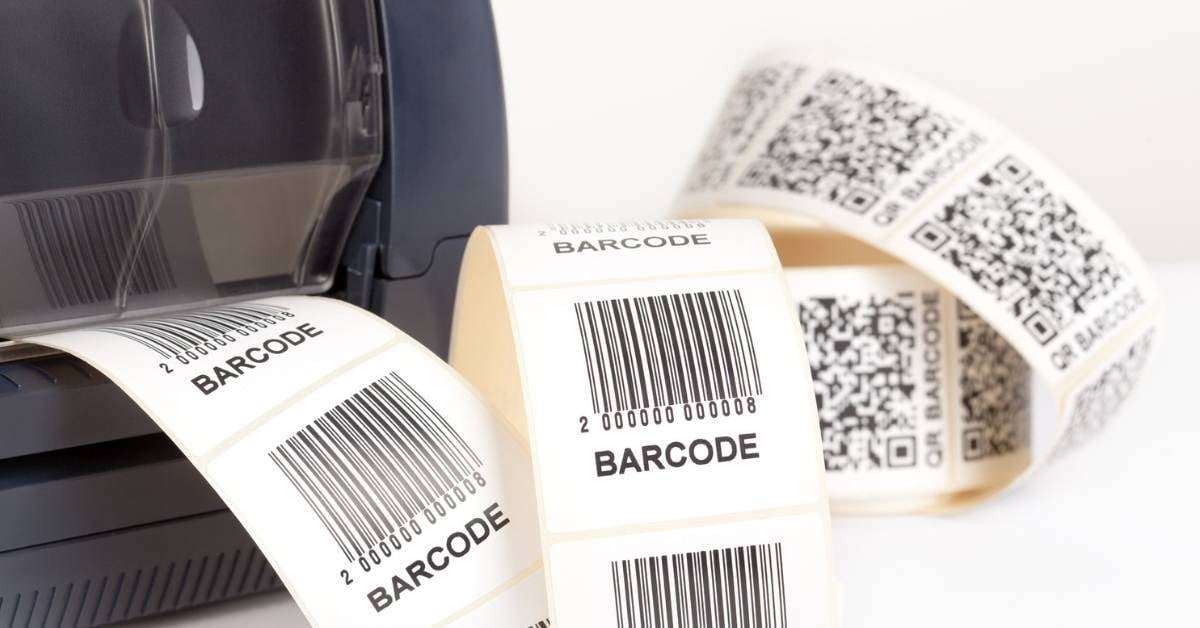
When a single illegible barcode can delay a shipment, trigger manual sorting, and create costs that far exceed the price of the label itself, it’s time to think about a thermal printer.
Thermal printers deliver consistently scannable barcodes at high speeds without the ink-related failures that shut down operations. And then, when you also consider eliminating ink cartridge replacements and less downtime from equipment failures, the total cost of ownership for a thermal printer is usually significantly lower than that of a traditional printer.
Healthcare Facilities

Wristbands printed with thermal technology resist smudging from hand sanitizer and maintain legibility through showers and daily wear. Laboratory specimen labels need to survive refrigeration, handling, and chemical exposure.
When you consider that patient safety depends on accurate identification, the durability thermal printing provides isn't just a convenience — it's a necessity. Many hospitals also appreciate the portability of mobile thermal printers, allowing staff to print labels at the point of care rather than running to a central location.
Retail and Hospitality Operations
Speed matters at the point of sale. Thermal receipt printers produce clear, professional receipts in milliseconds without the delays of warming up or the maintenance headaches of cleaning ink nozzles.
And for retail operations managing inventory across multiple locations, the reliability and minimal maintenance requirements mean less downtime and fewer service calls.
Manufacturing Environments
Factory floors aren't exactly gentle on equipment. Fortunately, thermal printers can withstand dust, temperature fluctuations, and the constant vibration of industrial operations better than inkjet alternatives.
When you need labels that will stay legible throughout a product’s journey, from production line to destination, a thermal printer is probably worth the investment.
Choosing the Right Printer Model
Mobile Units
Need printing capability in the field? Mobile thermal printers provide wireless connectivity in a compact, rugged package. Many models can withstand drops, moisture, and temperature extremes — perfect for warehouse floors or delivery routes.
Desktop Models
For moderate-volume printing in space-conscious environments, desktop thermal printers strike an excellent balance. They're straightforward to operate, require little upkeep, and offer both wired and wireless options to fit your workflow.
Industrial Solutions
High-volume operations demand industrial-grade equipment. These rugged printers handle continuous operation and can integrate with IoT platforms for real-time monitoring and supply chain visibility. They're built for demanding manufacturing, logistics, and distribution environments.
Weighing the Pros and Cons of Thermal Printers
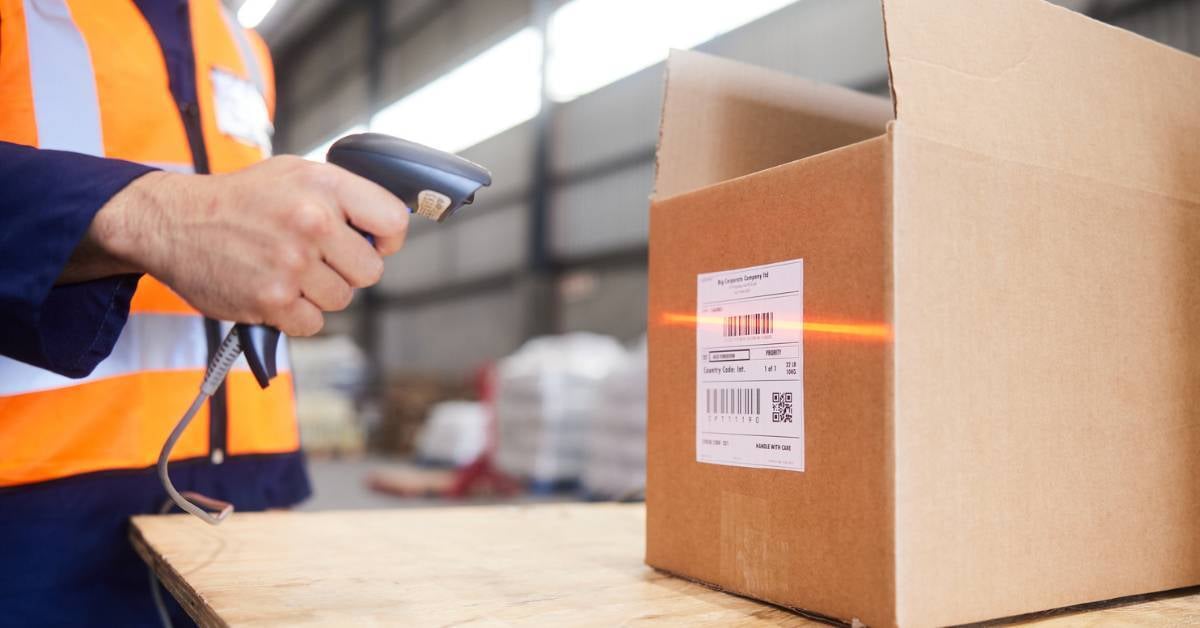
If you can’t tell, we love thermal printers. That is, we love them in the right circumstances, for the right job. But they’re not the right choice for every business.
Advantages of Thermal Printers
Depending on which printer you buy, here are the pros:
-
Fast, crisp output
-
No ink-related headaches or costs
-
No cartridge waste
-
Fewer breakdowns
-
Longer service life
-
Some models are small and portable
Potential Drawbacks To Consider Before You Buy
Thermal printers are great, but they’re not perfect. Here are the cons:
-
They usually cost more than inkjet printers
-
Direct thermal prints can fade easily
-
Color options are more limited
-
When replacement components are needed, they can be pricier
Work With Zebra Thermal Printer Experts
At Marco, a lot of our clients have unique printing requirements that go beyond standard office equipment. Your thermal printers aren't just peripherals — they're critical infrastructure that keeps your operation running. That’s why we’ve partnered with Zebra. Their printers are powerful, reliable, and durable. But no printer is infallible.
Just Interested in the Printers?
As a Premier Business Partner with Zebra, our experts understand their products inside and out. We’re happy to provide insider tips and best-in-class support.
How To Eliminate the Need for Backup Equipment
Before working with us, many of our clients were so dependent on their Zebra printers that they kept extra units on hand as insurance. While that’s understandable, it tied up capital and consumed valuable floor space. So we decided to do something about it. Now, when you include your Zebra printers in our managed print services, that insurance policy becomes unnecessary.
Click the link to learn more about how we can help you get the most out of a Zebra investment!