Wide Format Printers
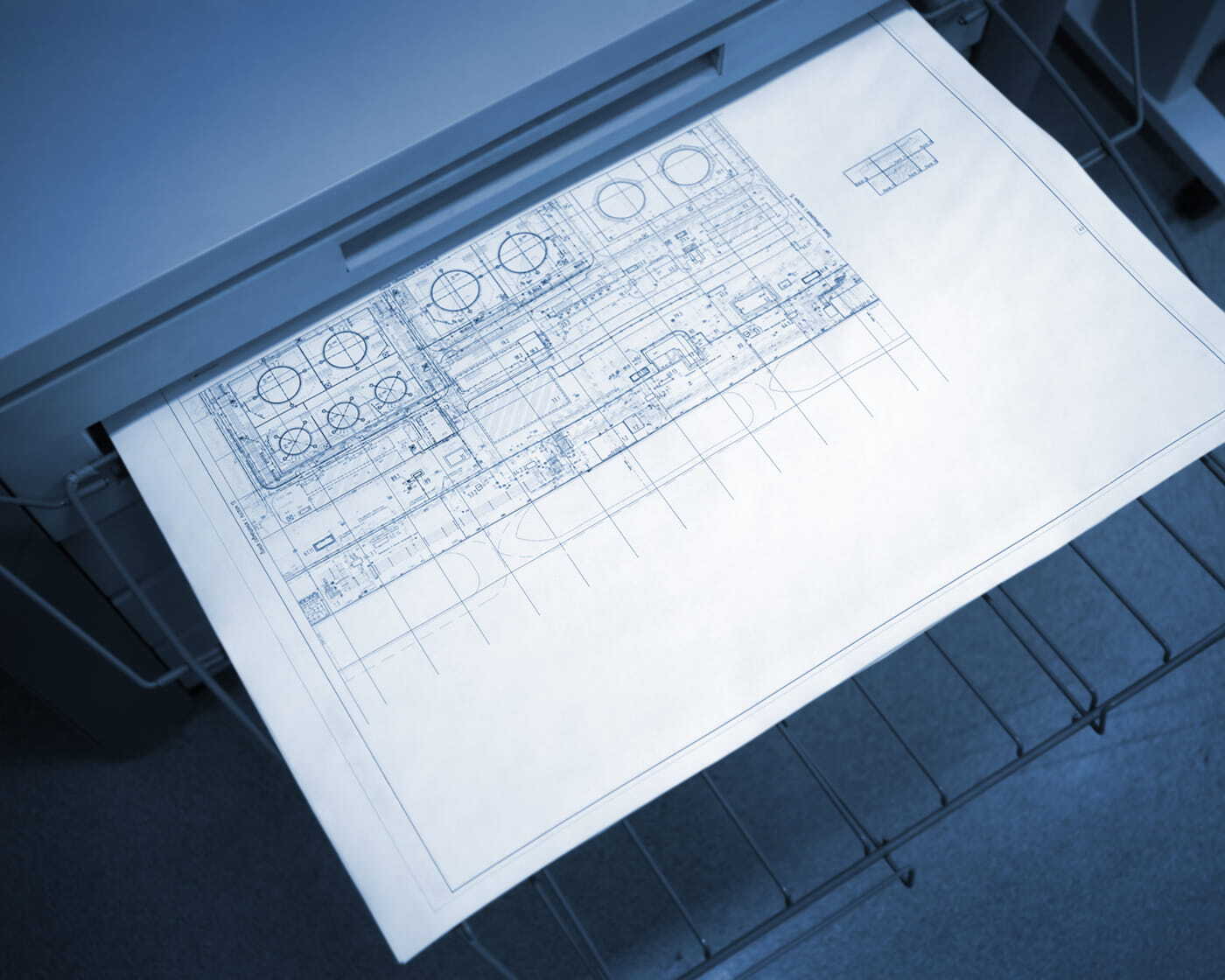
If you regularly need to produce trade show materials, schematics, or blueprints, adding a wide format printer can save you time and money.
Signs it's time for an upgrade
If any of these are true, we should talk:
- Output quality keeps falling short
- You have too many in-house limitations
- Outsourced printing slows down every revision cycle
- Turnaround times aren't fast enough
- Downtime and repair costs are creeping up
Why we've gone all-in on HP
HP isn't the only brand we carry. However, our goal is to match clients with the devices that will ultimately make them happier in the long run. In wide format printing, here's why HP has earned our trust.

Superior ink

Easier operation

Better reliability
The lines we recommend most often
HP DesignJet
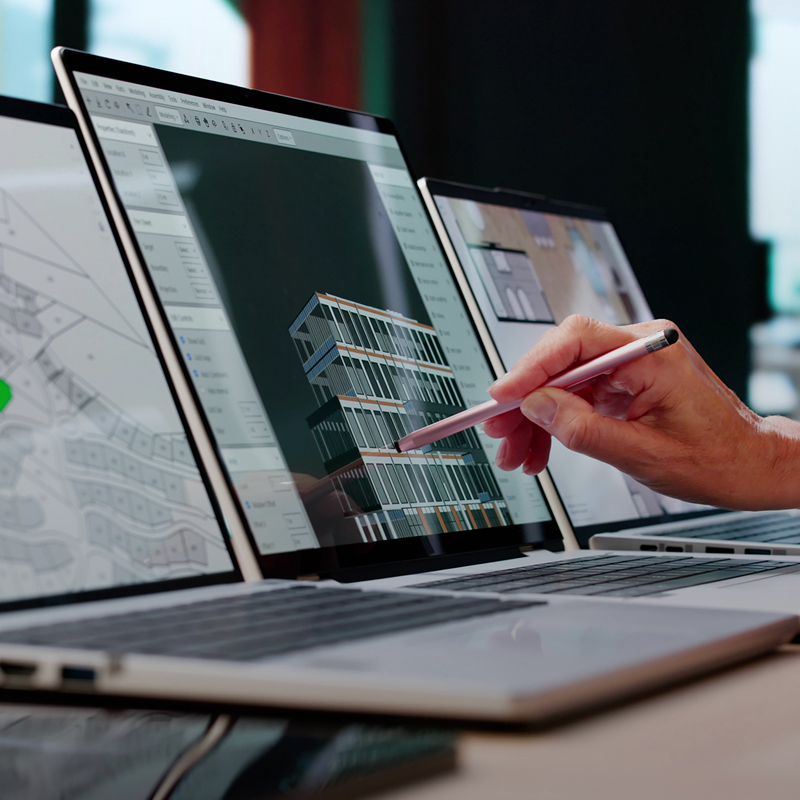
Built for technical and creative output — architectural plans, engineering drawings, photography, and event graphics — with speeds from 3 to 30 D-size prints per minute.
HP PageWide XL
The fastest wide format printer in its class for AEC and CAD environments, where speed and production cost matter most.
HP Latex
One device for indoor and outdoor applications — retail signage, vehicle wraps, building graphics, and murals — with water-based inks safe for sensitive environments.
When full color can save you money
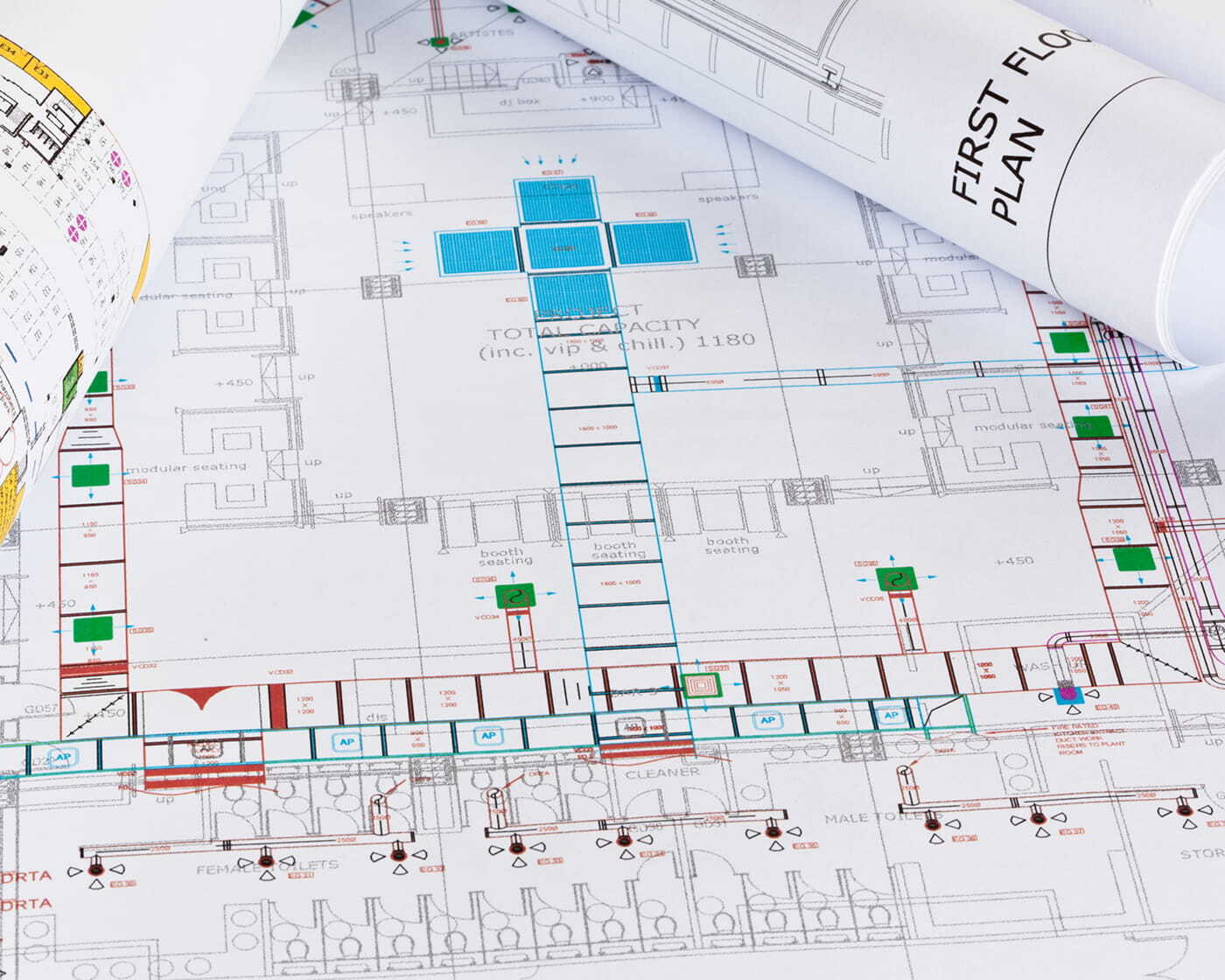
Color-coded plans make revisions easier to track, reduce misread drawings, and help catch errors before they become expensive on-site problems.
For every $1 spent on color printing, AEC organizations save $4.
Wide format printing FAQs
Whether you're new to wide format printing or you just haven't bought through us before, here's what you need to know.
Wide format printers handle anything a standard office printer can't fit — banners, trade show displays, window clings, vehicle wraps, architectural plans, and retail signage. HP's DesignJet, PageWide XL, and Latex printer series each cover different use cases, from high-speed monochrome technical drawings to durable outdoor graphics.
Depending on the model, wide format printers can print on vinyl, fabric, canvas, foam board, and other specialty substrates in addition to standard paper.
HP's Latex printers, in particular, are built for durable indoor and outdoor applications like billboards and building wraps.
It comes down to frequency and turnaround needs. If large-format printing is a recurring part of your business, rather than an occasional need, in-house equipment usually pays off faster than outsourcing every job. A Marco print specialist can walk through your volume and use case to make a specific recommendation rather than a general one.
Yes. We can help you take advantage of HP's Cash In & Trade Up program.
The right printer depends on your print volume, materials, and output speed needs — there isn't a one-size-fits-all answer.
Marco's print specialists will start with a conversation about what you print and how often, then recommend equipment and pricing based on that.
Industries that rely on wide format printing
Here's where wide format equipment tends to earn its keep.
AEC fields

Marketing

Additional wide format printing tips
Get a preview of how our team thinks through wide format challenges.
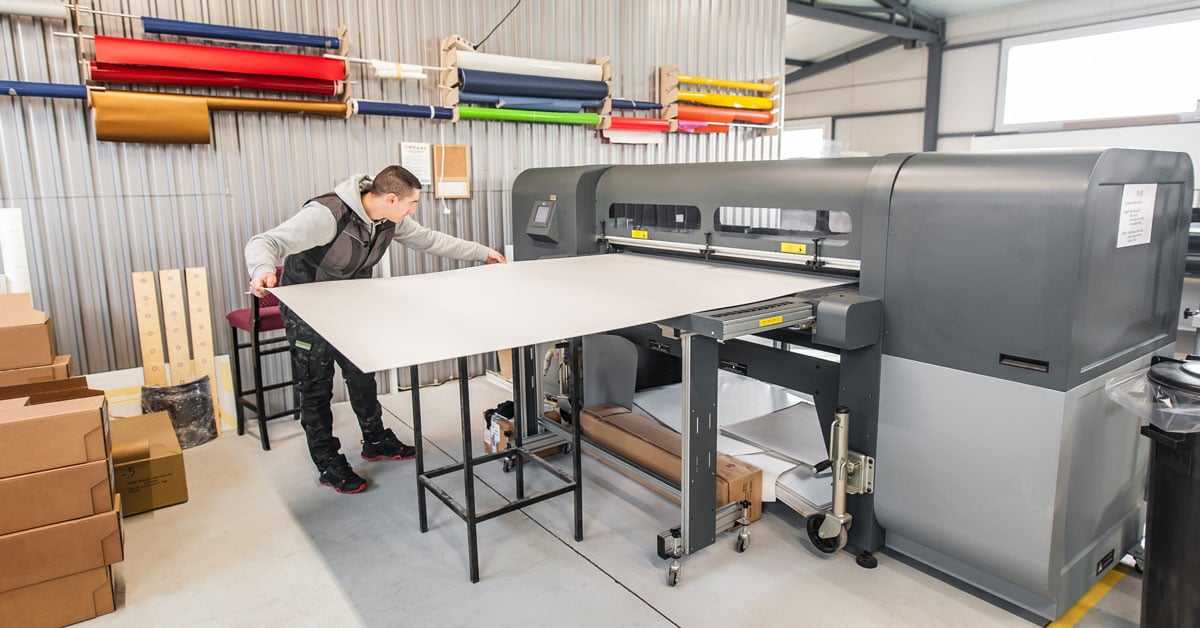
The HP Latex R530 Just Gave PSPs a Huge Win
For years, wide-format printing has forced print service providers (PSPs) to choose between trade-offs that never felt quite right.
Is an HP Latex Printer Right for Your Business?
If you’re thinking more strategically about differentiating your business, it might be time to consider HP’s advantages.

Ready to bring more wide format work in-house?
We can help you access HP's latest trade-in deals as well as competitive pricing.