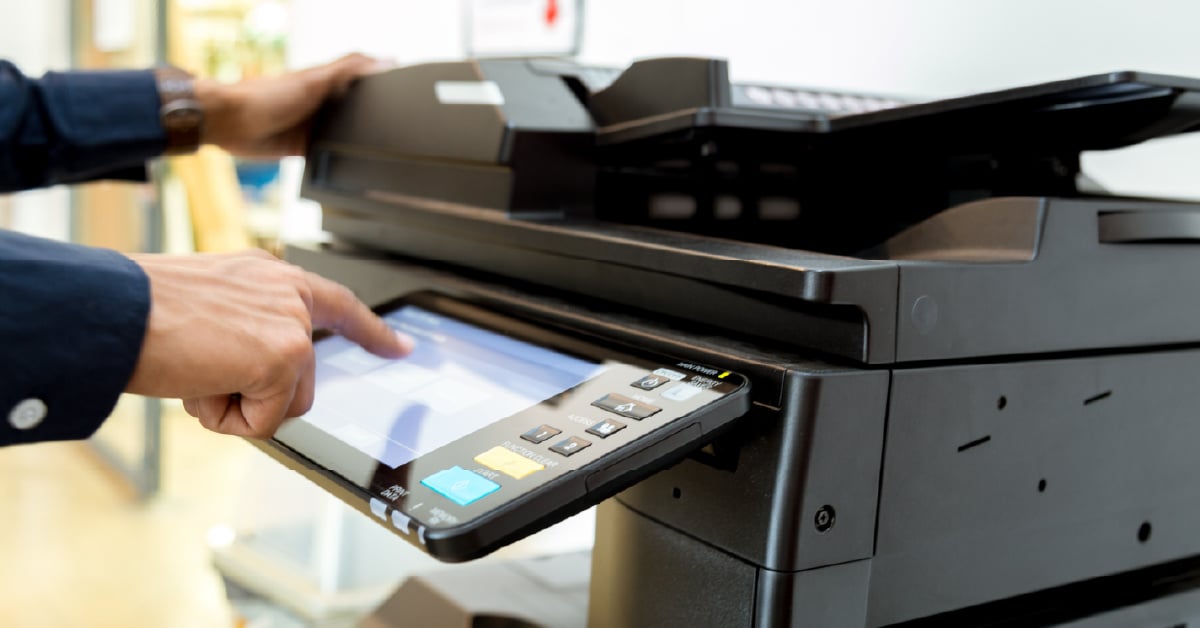
Managed Print Services, or MPS, is an ongoing partnership between you and your print provider. Because your organization's printing needs will change as it grows and evolves, your MPS program should, too! In fact, one way to immediately identify a provider that will provide you with more ROI is to make sure that they don’t have a set-it-and-forget-it approach. But how?
This blog goes over MPS contract basics, but here are a few additional pointers to take the guesswork out of finding a provider that will bring you more value over time.
The Most Important Thing Your Managed Print Services Contract Should Include
When initially evaluating your printing needs, you most likely established goals you would like a provider to help you achieve over time — things like increasing productivity, streamlining workflows, increasing security, and reducing costs. And one of the most important aspects of goal setting is establishing a regular process to measure and analyze progress.
If your print provider is dedicated to providing lasting value, they should have regular check-ins with you — at the very least, to make sure they’re hitting those targets. If they aren’t, they can make adjustments quickly. And that’s not just for an introductory period.
Why Should Regular Business Reviews Be Ongoing?

Your goals will change over time, and many organizations underestimate how those goals may affect their print environment. For example, if you grow your marketing team, a new printer may help you produce brochures, trade show materials, and more in-house. Your business may need to comply with new regulations, which may include new print security requirements. Finally, managed print services are an investment, and in 2025, it should never be a mystery what you’re actually getting for your money.
During the review process, you will analyze current performance data and how it may have changed since your previous business reviews. Your print provider will be able to identify areas where improvement was made and areas that still need attention.
What Should a Regular Business Review Include?

Here are some of the main components of a recurring business review and examples of how this information could help you make improvement adjustments.
1. Service Call History
MPS providers will provide a report of all the service calls made for your organization’s print fleet. This data can be assessed to identify any common issues and major device or user concerns.
For example, if the help desk receives numerous calls about setting up emails on your printers, it may mean your employees could benefit from additional training or a “cheat sheet,” enabling them to address this issue themselves.
Or you may find that due to employee location changes, it’s time to reassess the placement of your print technology.
2. Supply Order History
A history report of your supply purchases will also be provided. This will allow you to compare these costs against your previous purchase history and budget. If you are like most organizations, you will most likely realize significant cost savings at your first recurring business review.
3. Device Utilization Report
The device utilization report can be run by device, user, or department; which data is relevant for you will depend on your initially established goals. This report will provide user and usage information by device.
4. Total Pages
Your provider should be able to break these numbers down further into:
- Total color and black and white prints (or copies)
- Total single or duplexed pages
- Number of scanned or faxed documents
- Types of media used
This information will give you a very comprehensive understanding of your organization’s current print performance and could help determine adjustments to equipment placement.
For example, you may wish to move a specific device to be placed nearer those who use it most frequently. In addition, you may be able to assess who is using what equipment most and determine if their usage is relevant to the work type; if not, you can address the issue with supporting data.
5. Device Utilization Executive Summary
As its name suggests, this report will provide the average monthly copy/print volume for each device on your managed print services program.
As you track this over time, you will be able to see if any devices are becoming less efficient with age. At a certain point, which varies per device, your MPS provider will recommend equipment relocation to a less active print area in your office or replacement if the device cannot be repaired cost-effectively.
7. Security Risk Assessment
This won’t necessarily be a feature in every business review, but your provider should go over your print security risks with you as needed to help you make sure your printers aren’t an easy entry point for hackers.
8. MPS Agreement Coverage
Finally, you will review your agreement with your MPS provider and address any questions or adjustments that arose during your recurring business review.
Finding a Like-Minded Managed Print Services Provider Near You
In many areas throughout the US, finding a provider that offers this level of partnership — and can service all of your equipment — can be difficult! But here’s a secret. Not only are we manufacturer-agnostic, but in many cases, local print providers contract with us to serve their clients. For many clients with locations in multiple states, there’s a non-zero chance that our techs have already been servicing your equipment. They just didn’t know it.
If you’re hoping for a provider that acts like a partner — not just a vendor — we should talk. And if you want a sneak peek at our rates first, click the link below!