You used to have two choices when it came to high volume, high quality print projects:
- Digital printing
- Offset printing
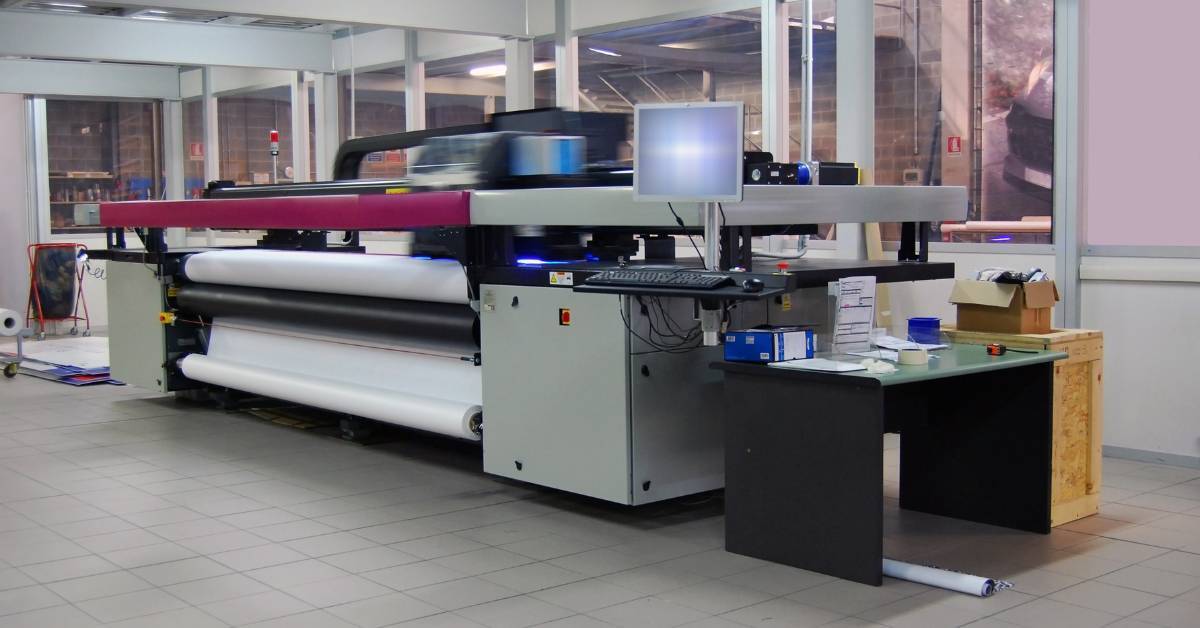
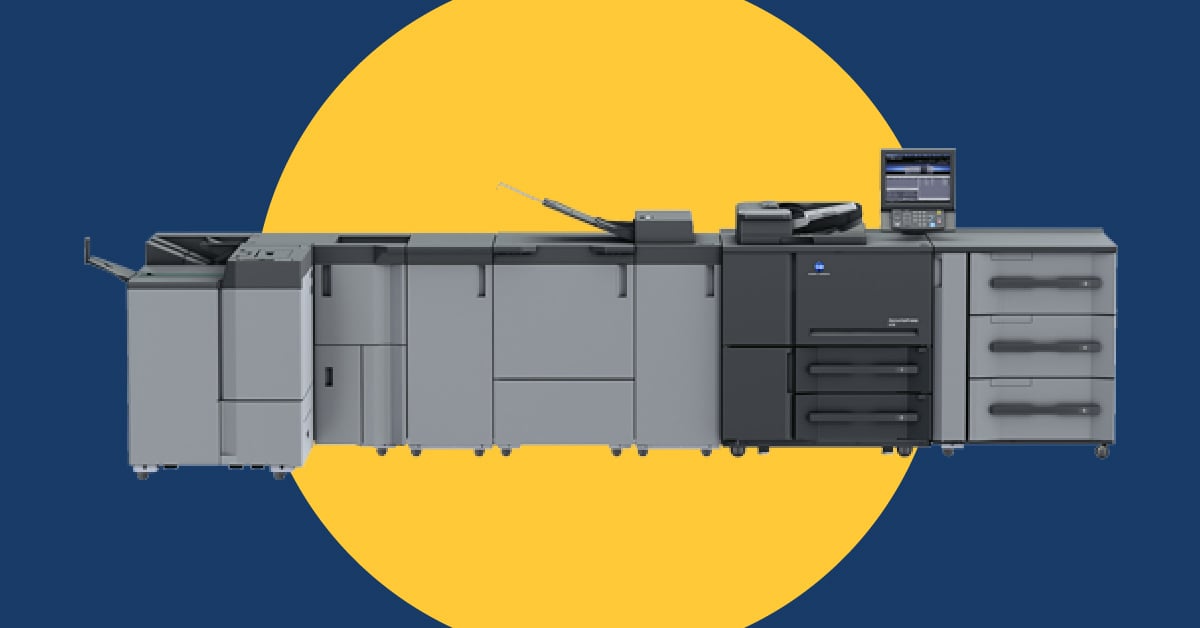
Each has their advantages and application. But now, Konica Minolta copiers have gone inkjet and created a happy medium; this perfect combination uniquely positions the KM-1 in the market.
Here are the features you can expect from the KM-1, and how they'll benefit your business:
Paper Flexibility
Paper flexibility determines what types of printed documents you'll be able to produce. This increased flexibility means you'll have more printing options in-house.
The KM-1 can handle up to a maximum sheet size of 23" x 29.5". Sheet thickness can be up to 0.6 mm for single-sided printing and 0.45 mm for double-sided printing. This sheet thickness variability gives you a wider range of printing applications than you have with standard office printers.
Finally, the KM-1 is capable of working with an incredibly wide-range of offset coated and uncoated papers, even textures.
These paper options alone allow you to get much more creative inside your own office when the time comes for high quality print project production. Varying these elements enables you to enhance your printed material in subtle or significant ways.
Stability
Paper jams and misfeeds, whether caused by the printer or user error, creates delays and frustrations. They can either go unnoticed for a period of time (we’ve all sent large projects to the printer and neglected to pay close attention to their progress) and/or require a long time to fix.
The KM-1 reduces this issue with superior stability features built-in to the device. By focusing on consistency in paper-feeding, registration and image quality, this Konica Minolta device can be trusted to successfully handle your large and complex print projects – without requiring constant monitoring. The KM-1, for example, uses a gripper-to-gripper sheet transfer method to reduce jams frequently caused during 2-sided printing.
This kind of stability gives you the comfort of knowing that you'll be able to get results when you need them.
Image Quality
Exclusive UV ink technology, combined with Konica Minolta's original print head design means that your printed material will look excellent every time – comparable to the results you expect from traditional offset presses. This is possible because of the KM-1's high-resolution print heads that offer true 1200 x 1200 dpi print resolution.
Unlike other methods of printing that may leave ink damp on the page, the UV ink technology of the KM-1 is instant drying. Have a short-turnaround job? With this Konica Minolta copier you don't have to waste time allowing your ink to dry to move it through production. In addition, no special operator is required to handle the UV ink.
Productivity
The true value of a printer is often measured by the amount of sheets it's capable of producing per hour. It's here where the KM-1 outshines other inkjet printers. It's capable of producing up to 3300 sheets per hour (simplex), or 1650 sheets per hour (duplex). This means that your business can remain productive during periods of high print demand.
Variable Data Printing
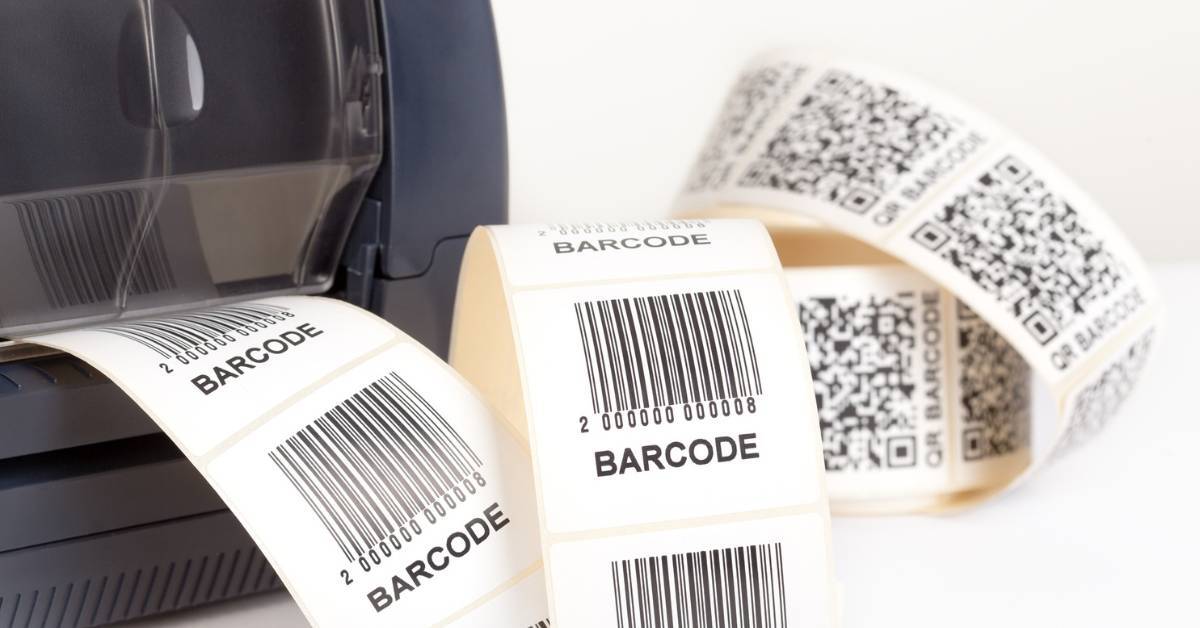
One of the most important advantages the inkjet Konica Minolta copiers offer over offset presses, is the capacity for variable data printing. Offset presses shine when the same material needs to be produced in large quantities; the KM-1, on the other hand, enables personalized and unique projects to be produced at high speed and remain of high quality.
For a more detailed explanation of the capabilities and benefits variable data printing provides, read our blog, “How Variable Data Printing Amplifies Targeted Marketing.”
Konica Minolta Copiers: Which is Right for You?
While the KM-1 does a lot of things really well, it's fit within your organization will depend on your printing needs. For assistance determining your print environment demands and requirements, request a free print assessment with one of our experts.