You’ve probably already heard of the dark web, or you wouldn’t be reading this.
Essentially, the dark web is the encrypted network that exists between Tor servers and their clients. You might also hear it called the deep web. Both the deep web and dark web are services that cannot be indexed by conventional search engines.
But that’s not the definition most people are looking for when they ask about the dark web. Here’s a better one …
What Is the Dark Web?
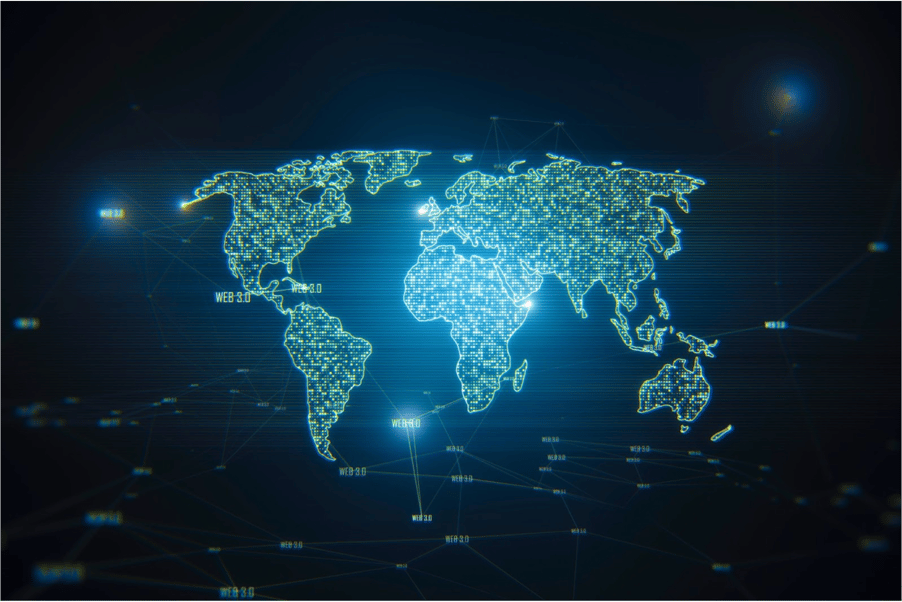
The dark web refers to a hidden area of the internet where users can access content anonymously — typically to participate in illegal activities. But that’s not the only reason users will access it. In some countries where political dissent is dangerous, some users will access the dark web to avoid government censorship and oversight.
However, here are the most common things you’ll find for sale on the dark web:
- Illegal drugs
- Weapons
- Stolen login credentials
- Stolen identities
- Other illegal and/or harmful materials
It is important for leaders — and every user of the internet — to be aware of this hidden marketplace.
Who Created the Dark Web?
The dark web evolved from a thesis project of a University of Edinburgh student named Ian Clarke, who wanted to create a new way to send anonymous communication online. His thesis led to the Tor Project, which launched a browser in 2008 that let users browse the internet in total privacy.
Is the Dark Web Inherently Dangerous?
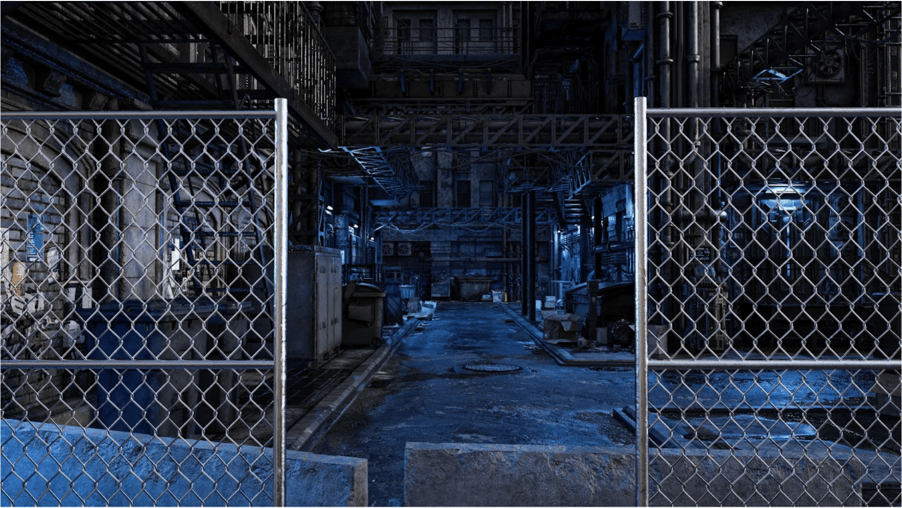
It’s not illegal to browse the dark web. In fact, whistleblowers have used it to help the FBI or other law enforcement organizations.
But nowadays, it IS kind of like hanging out in a dark alley in a bad neighborhood at 3:00 in the morning. The odds are good that other people nearby might be there for nefarious purposes, and hanging out by yourself can make you a target.
While it started as a hidden network for controversial content, whistleblowers, and gambling, the dark web has become a more dangerous and widespread black market. The dark web now brings together wannabe and seasoned hackers from around the world and equips them to magnify their efforts.
How To Get on the Dark Web
The dark web works over the internet, but instead of having your traffic routed from your computer and through the normal network of servers, it stays within the Tor network. You won't know exactly what system you're accessing unless they tell you, and they won't know who you are unless you tell them — or unless one of you is careless.
Users often gain access to the dark web by downloading Tor as their web browser or adding the plugin for their existing browser, like Firefox. But getting onto the dark web has gotten a lot easier in recent years. Several Tor-powered browsers now exist for mobile users, including those for Android or iOS devices.
In fact, with a simple Google search, you can now find step-by-step guides on how to access the dark web — and start a path to using the internet to swindle people out of money or take down key IT systems. But that means your chances of falling victim to it are growing, too.
What To Do if Your Social Security Number Is on the Dark Web
The best way to defend against having your information stolen and sold is to follow best practices around security. Unfortunately, there’s a high likelihood that your social security number is already on the dark web because of the National Public Data Breach last year. And that wasn’t your fault!
National Public Data collected a vast amount of sensitive data to provide background-checking and other information-gathering services on billions of people and then left it unencrypted. This was shockingly irresponsible, and sadly, the company’s negligence will cause irreparable harm to people who did nothing wrong.
Here’s what we would recommend for individuals:
- Freeze your credit with all three major credit bureaus
- Review your credit reports regularly
- Consider signing up for identity theft protection services.
- Add multi-factor authentication to all of your sensitive accounts
- Make sure that every online account is protected with a strong, unique password.
Dark Web Monitoring and Other Recommendations for Businesses
Organizations of all sizes should consider dark web monitoring so that if any sensitive data is ever leaked onto the dark web, you can take quick action. Quite often, a detected dark web leak of user login credentials is an early warning sign that a cyberattack might be imminent.
If you don’t know if your organization’s current cybersecurity posture would stand up to a modern cyberattack, we’re happy to check. Our cybersecurity assessments are a good way to get recommendations of where your dollars would be best spent. However, if you already know your cybersecurity needs improving, the best time to do that would be before something bad happens. Thanks to our strategic partners — including Barracuda, KnowBe4, and Arctic Wolf — we can make it easy to get peace of mind.