So… you signed a managed IT contract with a sales rep who promised smooth sailing ahead. You haven't heard much from the company since, except for the one time you had an internet issue, and it took them a full day to fix it. But as far as you know, nothing really bad has happened. You're left wondering if you're really getting what you're paying for, and you feel like there's no way to know. Sound familiar?
Many of the clients we meet with are in that position, so here's the good news: There are many relatively simple ways to see if your IT provider is doing a good job. I'll spell those out — along with some helpful resources — in this blog!
Key Questions To Ask Before Switching IT Managed Services Providers

Before committing to switching providers, ask yourself these critical questions:
1. Have You Talked to Your Current Provider About Your Issues?
Look, I know it sounds obvious, but you'd be surprised how many people jump ship without ever having that awkward conversation first. Sometimes a heart-to-heart can save you from a whole lot of headaches and expense.
2. Will Your New Provider Have Top Cybersecurity Experts In-House?
Trust me, you want everything under one roof. Having to coordinate between your IT guy and your security guy when something goes wrong is like trying to get two different contractors to agree on whose fault the leaky roof is.
Cyberattacks aren’t going away — not when they’re more profitable than the drug trade. You need a security-first provider who knows your business, where your risks are, and how you work.
3. Will Your New Provider Still Be a Good Fit in 5 Years?
The last thing you want is to go through this whole process again because you outgrew your new provider faster than expected. Think ahead — where's your business going, and can they keep up?
We try to make switching providers relatively easy at Marco, but there will always be an adjustment period to keep in mind. That said, if you are experiencing some warning signs that your provider isn’t giving you the ROi you’re paying for, it may be worth it.
8 Signs You’re Not Getting Good Managed IT Support
Even though a lot of IT work is happening behind the scenes, there are still ways to tell that your provider might not live up to their marketing. Here's what to watch out for…
1. You’re Experiencing Poor Response Times
Have you ever noticed that most emergencies seem to happen at the worst possible time?
Some IT providers aren't big enough to offer 24/7 help desk support, or they'll outsource off-peak hours to a third party who may or may not be able to maintain the same quality of service. Sometimes, you get what you pay for, and the cheaper provider may be less responsive.
A reliable managed service provider should respond to you within a few hours for non-urgent requests and 5-10 minutes for emergencies like catastrophic network failures. Your SLA should clearly outline the responsiveness you can expect to receive. If your provider isn't living up to their promises, it’s time for a tough conversation.
2. You Have Recurring Technical Issues and Downtime
When you're seeing a lot of support tickets, that's actually telling you something important about your MSP. Think about it — if your IT setup were running smoothly, you wouldn't need to call for help all the time, right?
What's really happening is that your provider isn't staying ahead of problems. Instead of catching issues early through good monitoring and regular maintenance, they're just putting out fires as they pop up. A good MSP should be like having a mechanic who prevents your car from breaking down, not one who only shows up after you're already stranded on the side of the road.
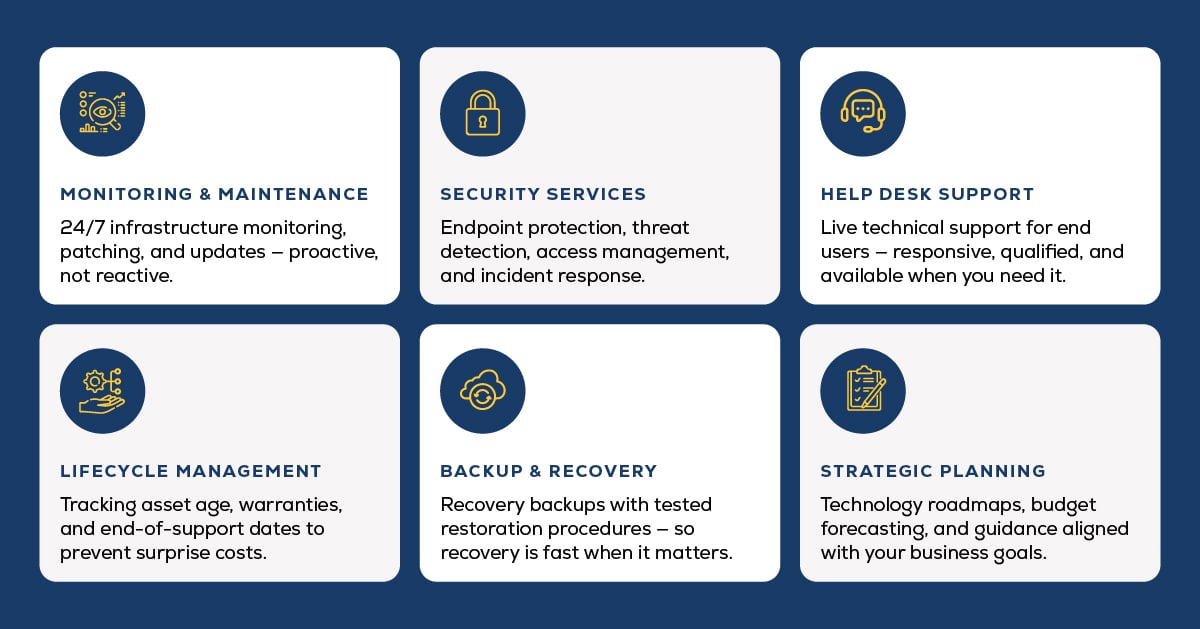
At Marco, we track all of our service requests, so if a single piece of technology starts causing more than its fair share of problems, we know to get to the bottom of it.
3. They Have Insufficient Expertise or Limited Service Offerings
This is one of the best and worst things about modern technology — it's designed to work together. Unfortunately, a service provider with limited expertise or resources can leave you caught in a blame game between one provider and another. And that's a very bad place to be.
When you have a problem with your technology, that's frustrating enough, let alone having to pull teeth to get someone to fix it. If your provider can't solve the problems you need solved, now or in the foreseeable future, it's time to reconsider the relationship.
Pro tip: If this is true of your current provider, be sure to look for providers with the resources to support growth and enhance your business operations.
4. Your Cybersecurity Is Lacking
Cybersecurity evolves quickly, so it can be hard for an outsider to know if they're receiving the protection they should be. So, I'll make it extremely simple.
If your provider hasn't updated their cybersecurity tools in the past three to four years, that's bad. If your provider hasn't pushed you to adopt multifactor authentication, that's really bad.
Good news: You actually don't need to be Fort Knox! The basics go a long way toward protecting your business. The problem isn't that cybercriminals are so good. It's that most organizations aren't taking reasonable precautions.
Not sure if you’re in line with best practices? Take our cyber health quiz to get a quick gut check.
5. There's a Lack of Strategic Alignment and Future Planning
Is your provider helping you work towards your goals? Do they even know what your organization's goals are?
Technology can play an important role in helping you, for example, retain more top talent, offer more flexibility, grow your business, increase productivity, and more. If your provider is only helping you, in essence, keep the lights on, you're being underserved.
Your MSP should work like part of your team, supporting both your daily needs and your bigger business goals. If they're pushing back on new technology that could help you grow, or if communication feels one-sided, that's a red flag.
6. You Notice Billing Inconsistencies or Unexpected Costs
Phone bills can be confusing. IT bills don't have to be.
There are a few common pricing models that you'll see IT providers use, and you can tell a lot about the service you'll get from the model a provider uses. For example, some providers make more money the more often you experience disruptions.
Guess what happens? You got it.
We price our services per user, so as our clients scale up or down, so does their bill. It may be a small detail to some, but our pricing model makes it easy to avoid unpleasant surprises and helps demonstrate to our clients that we're truly invested in their success. When they do well and experience fewer disruptions, that's good for them and good for us.
7. You Get Poor Customer Service and a Lack of Personalized IT Support
When some people think about working with a large national provider, they assume they won't get the personalized service they'd like.
As companies grow, that personal touch (including personal accountability) is a common casualty.
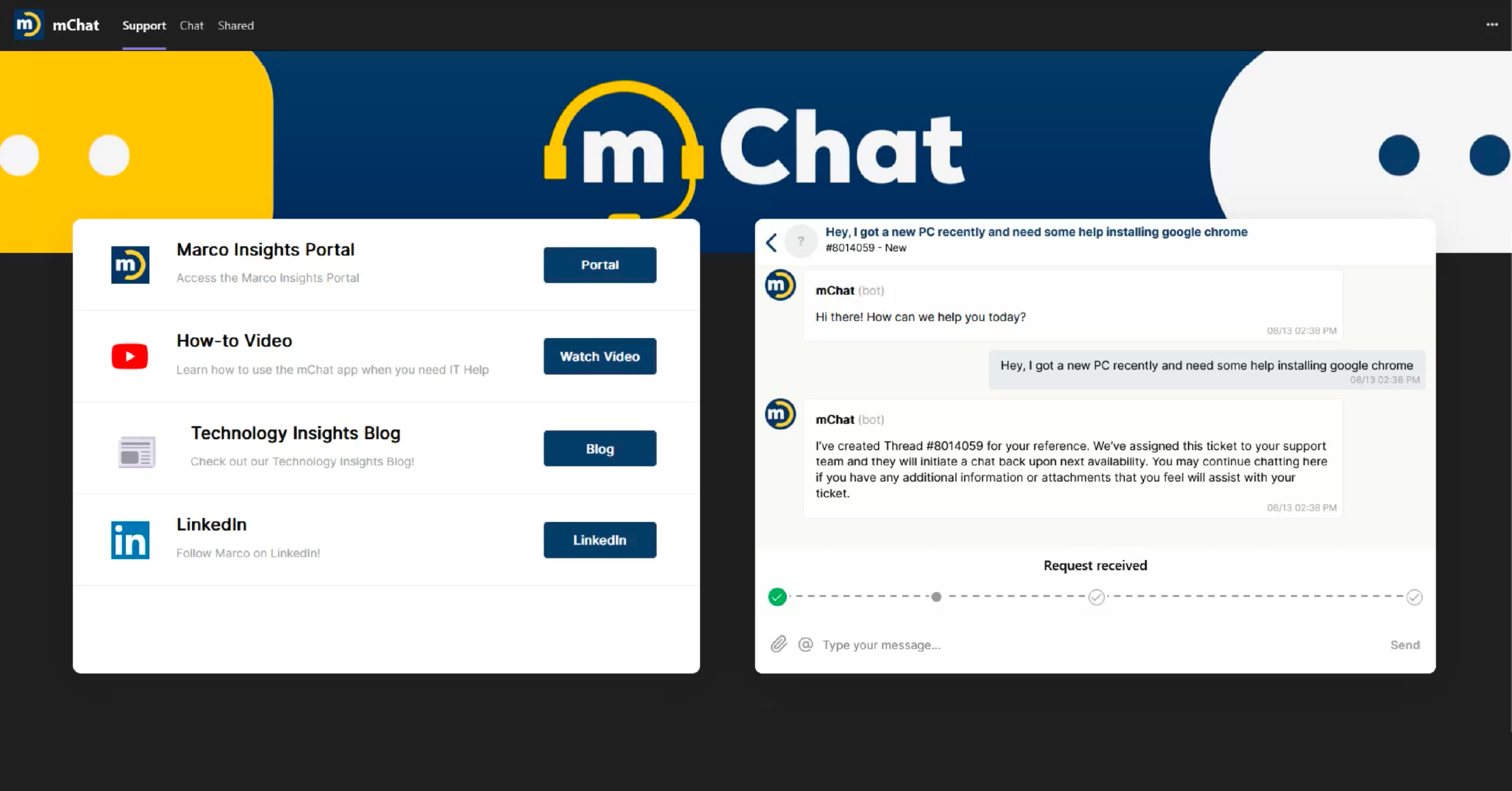
Confession time: Over our 50 years, we've had to work very hard to make sure that as we grew, we didn't slowly lose the things that people liked most about working with us. So we went at the problem like a technology provider should — by using technology to automate simpler tasks so human beings could devote more attention to things that require a human touch. Every managed IT client also has a Customer Success Manager (CSM) who will get to know their organization and personally make sure their needs are met.
So, from where I sit, poor customer service isn't acceptable, no matter how big the provider is. And if you're not getting personalized support, chances are, you're also missing out on that strategic alignment piece.
8. They Act Like Salespeople
Some providers make more money the more devices you have. That’s not an unheard-of pricing model, but it does mean you’ll need to be cautious if they’re constantly recommending more devices, especially when there’s a cloud solution that could bring you more ROI.
A reliable provider will offer services that help you achieve your business goals, not fulfill their sales quotas.
What Are the Key Factors To Consider When Choosing a Managed IT Service Provider?

Every provider's managed IT offering will be a little different, and it should be spelled out clearly in your service level agreement (SLA). Before signing with any provider and before ending your relationship with them, you should familiarize yourself with your agreement so you know exactly what to expect.
But IT has changed very quickly, and some of those changes make it harder for businesses to see the work that's actually being done on their behalf. At Marco, we work very hard to prevent disruptions, and because we are able to solve most problems remotely, our clients won't see us as often. Most of our clients love that about us and are happy to be able to trust that their technology will just, you know, work.
However, we also provide regular client business reviews to make sure our clients are happy with the service we're offering and getting the guidance they need. If your provider offers you something like this, but you've declined their meetings, give them a chance. These meetings can offer a great deal of value and might provide the clarity you need. It's also quite possible your IT provider could help you achieve one of your big goals for the year, but you know what they say — if you don't ask, the answer is always no!
The Easiest Way To Find the Best Managed IT Service Provider for Your Business
One of the best ways to see if a managed IT provider is a good fit is to essentially take them for a test drive. And one of the most common reasons people book technology assessments with us is to get a second opinion about their current IT provider.
Our tech assessments aren’t just quick online scans. We conduct a thorough examination to identify any vulnerabilities in your policies, tool configurations, hardware, and software. When we’re done, we present our findings in plain language to your executive team, along with our recommendations, prioritized according to risk.
Sometimes we find that an organization is in good hands. I’ll say this, though. Most of the time an organization has some nagging doubts about their IT provider, they’re spot on. So if you’re seeing a few signs you’re not getting the mentorship and security-first IT support you should be, feel free to request a quick quote from us or click the link below to learn more about our popular tech assessments.