If you've ever tried calling your doctor's office only to sit on hold for 20 minutes, get transferred three times, and then have to call back because the line dropped, you know exactly why healthcare phone systems need an upgrade.
Many healthcare providers are still relying on outdated phone technology that's creating more problems than it solves. And in an industry where every second counts and clear communication can literally be a matter of life and death, that's simply not acceptable. So in this blog, I’ll explore how one single upgrade can make such a huge difference to providers and patients alike.
Troubling Statistics About Traditional Phone Systems for Healthcare
Here are a few stats that paint a clear picture:
- 71% of healthcare providers report that scheduling is one of their biggest hurdles
- On average, scheduling an appointment over the phone takes 8 minutes, with 5 of those minutes spent on hold
- Up to 30% of patients fail to attend their appointments, which costs the healthcare industry over $150 billion annually
- Overbooking leads to an average wait time of 25 minutes, which undermines patient satisfaction
Problems Outdated Medical Office Phone System Can Cause
It can be hard to convince a provider focused on improving outcomes to set aside a budget for this type of upgrade. So, before I discuss solutions, I’d like to list some problems that don’t usually get a lot of attention.
Patient Frustration Skyrockets
The statistics I shared above make this pretty obvious. When patients can't reach your office easily, they start looking elsewhere for care.
Staff Productivity Plummets
Your front desk team spends countless hours playing phone tag, manually scheduling appointments, and dealing with communication breakdowns instead of focusing on patient care.
Revenue Takes a Hit
Missed calls mean missed appointments. No-shows and last-minute cancellations create gaps in your schedule that translate directly to lost income.
Care Quality Suffers
When communication systems fail, important information gets delayed or lost entirely. That's not just inefficient — it's dangerous.
What Modern Healthcare Communication Looks Like

Healthcare patients expect the same level of convenience they get from every other service in their lives. They want to schedule appointments online at 2 AM, receive text reminders about their prescriptions, and get simple test results via secure messaging.
Here's how a unified communications (UC) platform can help meet those expectations:
24/7 Online Scheduling
Patients don't want to call during business hours and wait on hold. They want to book appointments when it's convenient for them — whether that's early morning, late evening, or weekend. Online scheduling gives them that flexibility while reducing the burden on your front desk staff.
Smart SMS Communication
Text messaging isn't just for personal use anymore. Healthcare providers are using SMS to send appointment reminders, prescription alerts, and follow-up check-ins. A simple "How are you feeling after starting your new medication? Reply YES if you need another appointment" can streamline follow-up care significantly.
Automated Patient Prompts
Modern systems can automatically remind patients when prescriptions are about to expire, when it's time for routine checkups, or when test results are ready for pickup. This reduces missed care opportunities and keeps patients engaged in their health management.
Internal Team Communication
Healthcare staff often work across multiple locations or shifts. Modern communication systems allow instant, secure messaging between team members without requiring personal cell phone numbers or playing phone tag between different office locations.
The Benefits of Upgrading Your Healthcare Phone System

Believe it or not, a UC phone system can help you achieve many of the goals that I’m guessing you have on your to-do list for the next five years.
Improved Efficiency
When your communication systems work seamlessly, everything else flows better. Staff can access patient information quickly, coordinate care effectively, and spend more time on actual patient care rather than wrestling with technology.
Better Patient Experience
Patients appreciate being able to reach your office easily, schedule conveniently, and receive timely updates about their care. Happy patients become loyal patients — and they refer their friends and family.
Reduced Costs
Automation handles routine tasks like appointment confirmations and prescription reminders, freeing up your staff for more complex work. You'll also see fewer no-shows when patients receive automated reminders.
Enhanced Security and Compliance
Modern healthcare communication systems are built with HIPAA compliance in mind. They include features like encrypted messaging, access controls, and audit trails to protect patient information.
Financial Benefits
Streamlined scheduling reduces gaps in your appointment book. Automated systems handle more calls without additional staff. And when patients can easily reach your practice, you don't lose business to competitors.
Making the Transition Smooth
Implementing new technology while running a busy healthcare practice can feel overwhelming, especially if your is already stretched thin caring for patients. The last thing they need is to learn a complicated new system without proper support.
That's why successful healthcare phone system implementations include comprehensive training and ongoing support. Your team needs to feel confident using the new tools, and patients need to see immediate improvements in their experience.
How To Make Clinic and Hospital Phone System Upgrades Easy
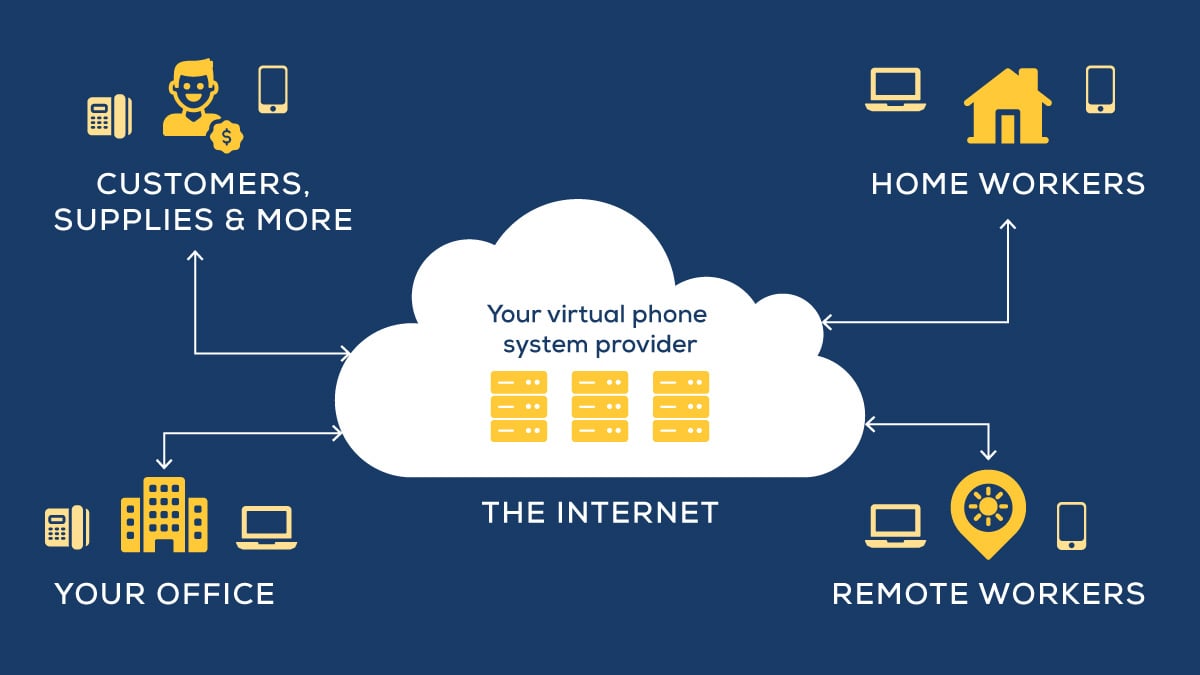
Unified communications platforms tend to be a lot easier on internal IT teams than managing an on-premises solution. But where you find technical sophistication, you also get some complexity.
We offer a unified communications as a service (UCaaS) solution that makes it easy to access all of these advanced features and get the training and support your staff needs in order to maximize your ROI. Click the link to learn more about the technology behind the platform (Cisco’s Webex) and the white-glove support we offer.