When you operate a small business, every dollar counts. While it’s often easy to identify large, unnecessary expenditures and prioritize addressing them, sometimes you also need to sweat the small stuff. Smaller expenses might go unnoticed, but they can add up over time. In addition to printing supplies, traditional landline phones are known for taking a bigger bite out of your budget than they probably need to.
Switching to VoIP (Voice over Internet Protocol) can make a substantial difference in how much money you spend each month, and you’ll get new features that will make it easier for you to stay productive on the go.
Why VoIP Is Better
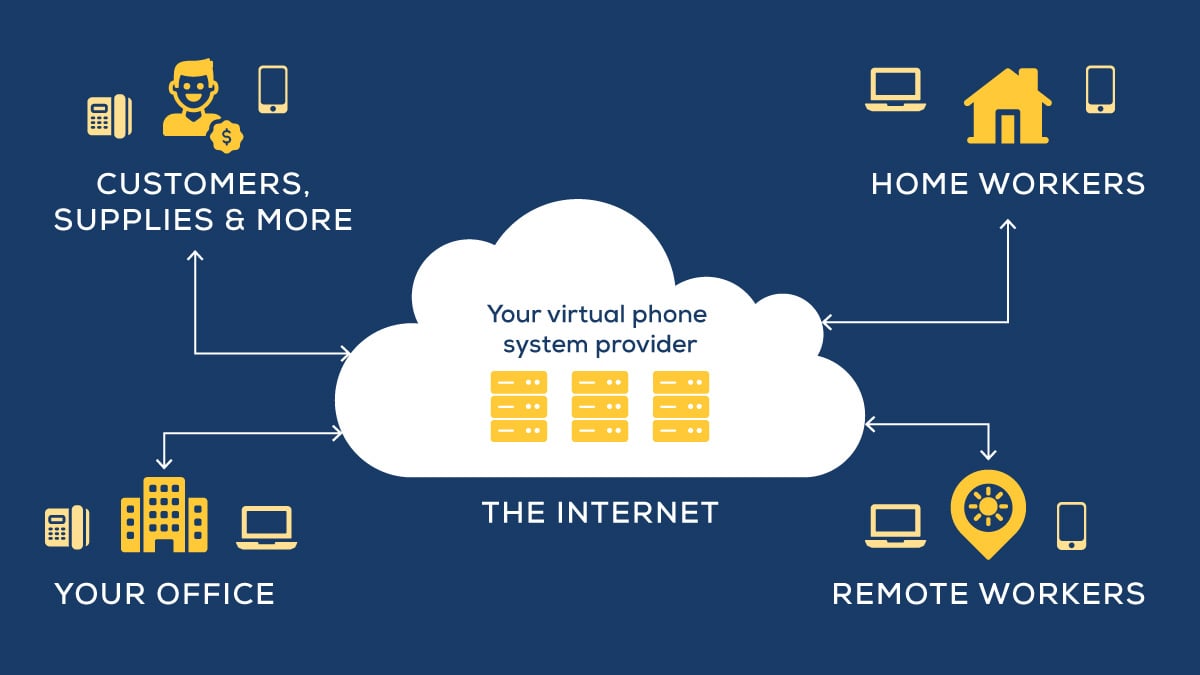
Instead of using physical wiring to connect speakers, as its name suggests, Voice over Internet Protocol uses the internet. That single change allows your data and collaboration tools to be linked seamlessly through your network. Here is a list of the most significant advantages that VoIP offers:Less Expensive
As a small business owner, you are always concerned with your bottom line, and that's one of the most significant benefits of VoIP. The average business can save between 30% and 50% if they switch from a traditional landline to VoIP now. And as VoIP continues to evolve, it will probably get even cheaper.
More Flexibility
 VoIP services offer a seamless connection to smartphones or other mobile devices. You can have your calls automatically forwarded to another smart device, check voicemails from anywhere, and add additional extensions as needed, without the need for an expensive professional installation. As businesses have had to adjust to remote work and scale up or down quickly, VoIP has been a game-changer in recent years.
Easier Management
Imagine your small business has twelve employees. Each employee has their own desk and their own phone line. Now imagine you need to move employees around in your office. Unfortunately, under a traditional phone system, your employees' extensions will change or need to be reprogrammed in your system.
However, one of the reasons VoIP is more efficient is because the phone number is tied to the phone, not to the workstation location. You’ll be able to reconfigure your employees without adjusting extensions. You can also quickly add or remove features as needed, often through an online portal.
Increased Productivity
Because VoIP works through your existing data network, it's also capable of interfacing with various applications, like your web browser, calendar, email, chat, and productivity tools. Believe it or not, VoIP can increase the overall productivity of your business by up to 77%.
Additional Advantages
1. Information security
Traditional landline phones have always had security challenges, like preventing eavesdropping, tapping, scamming, and soliciting calls. Many businesses are worried about moving more data and tools to the cloud. However, a reputable VoIP provider can offer robust security tools to safeguard your communication, which will allow you to do much more securely.
- Store all critical information on your network, accessible by your employees and no one else
- Remote access to corporate communications, secured by enterprise-scale security measures
2. New forms of communication
Workers are using more communication tools than ever, but toggling between multiple communication tools can be frustrating and distracting. VoIP makes adding more communication features like video conferencing and three-way calling easier without adding a whole suite of new tools.
Finding the Right VoIP or Cloud Voice Provider
Small and midsize businesses that would like to upgrade to VoIP technology without the initial investment for new equipment would likely benefit from Marco’s Voice as a Service (VaaS). This service provides 24/7 monitoring and the latest VoIP capabilities and makes it easy to upgrade quickly and easily. However, if you’re still deciding between VoIP and other communication technologies, this short, ten-question survey can help point you in the right direction.
A new phone system can provide new features for less, but these past few years have been an incredibly challenging time for smaller organizations. If you’d like expert advice fast, you can always contact our phone experts for a custom recommendation. Once we get to know your business a bit better and understand your short and long-term goals, we’ll be happy to steer you towards a solution that makes the most sense for you.