The web has done wonders for business in the 21st century, connecting remote offices and giving employees the freedom to work on the go and boost productivity, whether they're in the office or at home.
With this expansion and growth comes increasing concerns over network security. As your company adopts more technology and expands its network, it is important to put security measures in place capable of protecting your corporate network at all times, including before, during and after an attack.
Network Security Defined
Cisco defines network security as "any activities designed to protect your network. Specifically, these activities protect the usability, reliability, integrity and safety of your network and data."
For your company, this means keeping your network up and running safely and reliably for employees.
How Network Security Works

Network security is best achieved through a combination of hardware and software. In an ideal security environment, all of the components work together to minimize maintenance and improve security. Examples of network security components include, but are not limited to, the following:
- Anti-virus and anti-spyware software
- Firewalls to block unauthorized access to the network
- Intrusion prevention systems to identify fast-spreading threats
- Virtual Private Networks to provide safe and secure remote access
The goal of network security is to create a multi-layered approach to keep your network safe. A single solution cannot protect your network, whereas multiple layers provide fail-safes and redundancies to maintain a secure environment.
Examples of Poor Network Security Solutions
As I mentioned above, a single-layer solution puts all of your eggs in one basket. Some downfalls of single-layer solutions are:
- Lack of Segmentation: A network security solution lacking in segmentation relies on a strong outer defense. Your hope here is that strong perimeter security measures will keep hackers and malicious content out of your network. Unfortunately, once the perimeter is breached there is little you can do to minimize the damage.
- Permissive Access Controls: A lot of threats come from the outside, but a lack of access control internally can also lead to malware and compromised data. However, access controls alone cannot protect the security of your network. Anyone (employees or outsiders) who really want to get around those measures will, eventually, find a way to do so.
- Insufficient Logging and Monitoring: Simply keeping track of activity on the network to watch for security threats isn't a great solution either. Logs tell a story of the past, while monitoring gives you an overview of the current state of the network. However, unless the company actively controls logs and monitors activity, this will, at best, point to a breach after it occurs.
The Solution to Network Security
An approach capable of creating multiple layers of security around and throughout your network depends upon effective network security. Cisco’s network security products are simple, scalable and threat-centric. They protect your network before, during and after an attack.
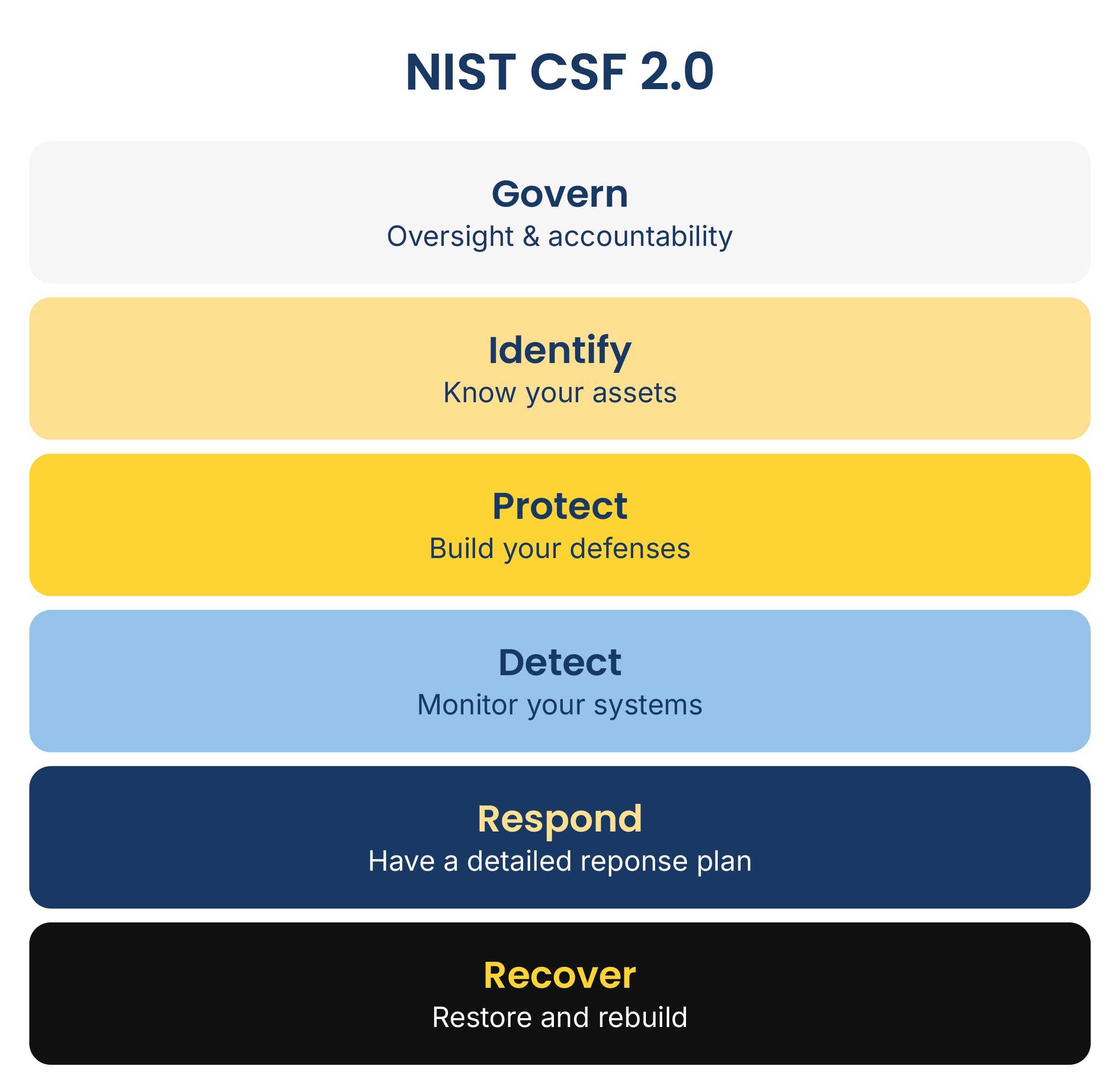
Before the attack, comprehensive awareness and visibility of your network allows you to implement policies and controls for defense. During an attack, you need the ability to continuously detect malware and block its activity. After an attack, Cisco empowers your business to marginalize the impact by identifying points of entry, analyzing the scope of the attack and containing any threats that remain and eliminating the potential for re-infection.
Cisco leverages many technologies to help fight threats, including:
- NetFlow, which helps you understand baseline traffic and identify potential suspicious behavior
- TrustSec contains attacks
- APIC Enterprise Module helps you optimize your security configuration and boost threat mitigation
An attack on your network is never singular in nature. Complex network security solutions prepare your network to fend off attacks before they happen, combat them as they launch and respond effectively after they occur.