In many ways, solvent inks are very impressive. They can create brilliant images on various materials that can hold their own against water and sunlight for quite some time. However, in other ways, they stink….literally. These inks smell strongly of solvent, which makes them especially problematic indoors, especially in settings like restaurants, grocery stores, and hospitals.
It gets worse: solvent inks release Volatile Organic Compounds (VOCs) that linger in the air, which can irritate your nose and throat, and over time, lead to more long-term adverse health effects if inhaled. Solvent inks are infamous for clogging up your printheads, and they also pollute the environment.
Eco-solvent and UV inks represented some incremental improvements over solvent inks, but thanks to Hewlett-Packard, in 2008, a much better solution was made available — latex ink.
7 Advantages of Latex Printing
As businesses will always need to catch the eye of potential clients, it’s hard to imagine a time when there won’t be a need for visually-stunning printed materials. Fortunately, latex inks offer several advantages over their predecessors:
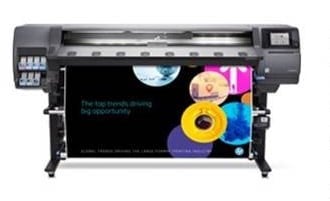
1. Better for People
Latex inks are non-flammable and non-combustible, and they meet indoor air quality standards. Furthermore, these inks don’t have a strong odor, and they don’t need special ventilation.
2. Better for the Environment
Latex inks contain zero Hazardous Air Pollutants (HAPs) and are water-based, so the materials are easier to recycle. Unlike solvent-based inks, they don’t use chemicals that are harmful to the environment. HP latex inks are still considered the industry leader and contain around 70% water.
3. Better for Printers
It’s less likely that latex printers will get clogged or dirty, so they tend to require less upkeep.
4. Faster
Because latex printers use heat during the drying process, printed items are ready for use or lamination without additional drying time. All told, printing professionals that use latex inks are typically able to turn around projects 40% faster.
5. More Cost-Effective
Latex printers generally use less energy, and surprisingly, latex inks are similar in price to traditional inks.
6. More Durable
Besides being abrasion and scratch-resistant, latex inks can withstand rain, wind, heat, sunlight, and everyday cleaning products.
7. More Versatile
Latex inks can be applied to a wide variety of surfaces, including textiles, paper, canvas, and much more. Combine latex ink technology with wide format printers, and the options are almost endless.
How Does Latex Printing Work?
Although latex printing can produce a very different product, it operates much like a traditional printer. Latex printers use print heads to place inks on paper or other materials. However, in this case, latex (a synthetic resin) is what contains the pigment. Latex printers use heat to dry the ink almost immediately, so the end product is extremely durable and ready to use as soon as it hits the output tray.
Wide Format Latex Printing
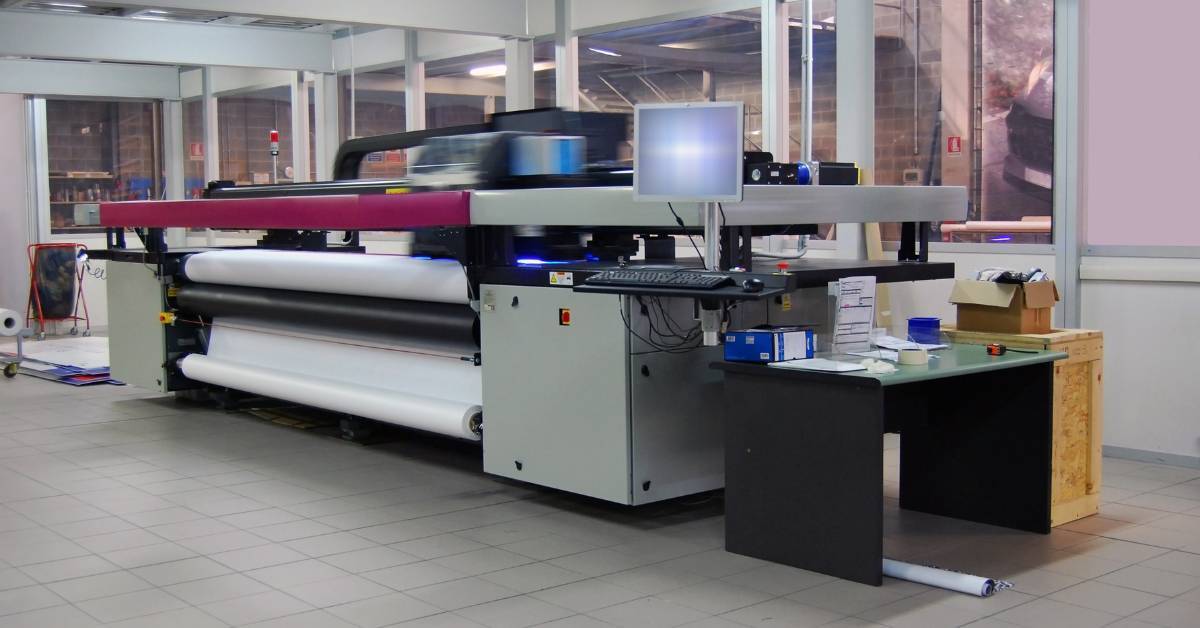
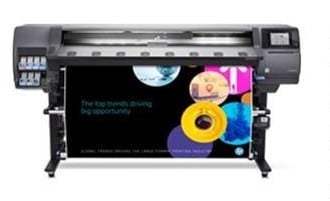
Wide format printers, also known as large format printers, can dramatically expand your printing capabilities. There are three types of wide format printers: roll-to-roll printers, flatbed printers, and hybrid models that combine the features of both. Depending on the wide format printer you are using, you could print on wood, glass, metal, fabric, vinyl, and much more.
Finding the Right Latex Printer
Latex printers are a significant investment, and an in-depth discussion with an expert can be extraordinarily helpful in pinpointing which printer will give you the most bang for your buck.
Our experts are happy to get to know your unique business and answer any printing questions you might have. Additionally, Marco’s formed strategic partnerships with the very best manufacturers in the business, so you can trust that our experts would recommend the very best product for you at a highly competitive price.