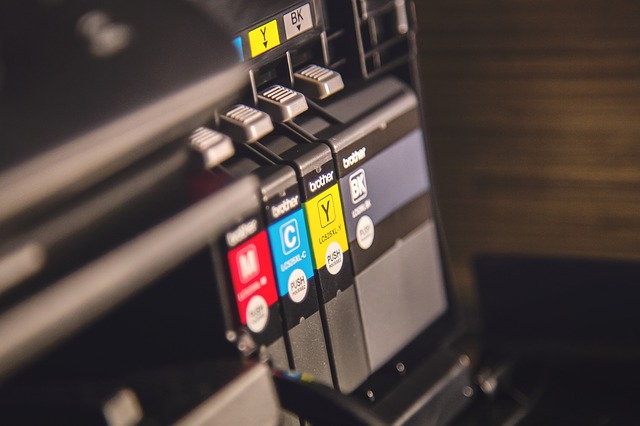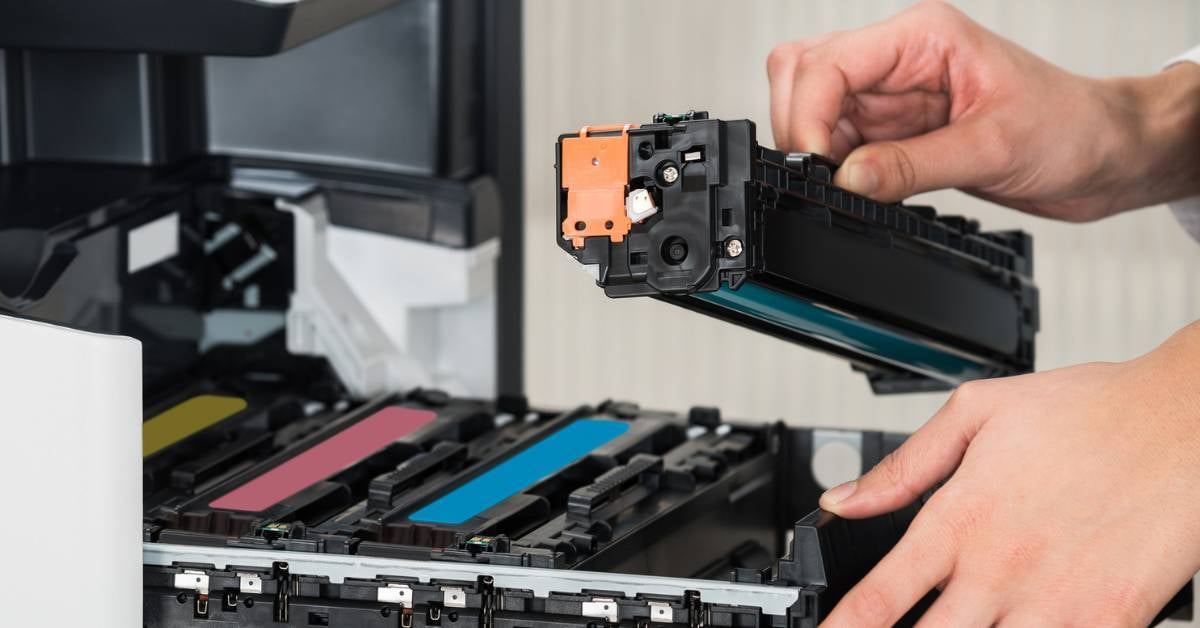
When it comes to toner, you have choices: Do you purchase the Original Equipment Manufacturer (OEM) toner, or go with a cheaper, but allegedly “compatible” toner? Depending on the age of your printing equipment, you also might have remanufactured cartridges available.
The cartridges all look basically the same, but they’re actually not. Here’s what you should know before making a decision that could affect the lifespan of your printer.
Why Compatible Toner Is Appealing
Compatible toner cartridges can cost significantly less — often between 30%–75% less — than an OEM cartridge. For a business running multiple printers across an office, the per-cartridge savings can look significant on paper.
But the technology inside a cartridge is more sophisticated than people realize. So the price on the box definitely isn't the whole story.
The Difference Between Compatible, OEM, and Remanufactured Cartridges
Compatible toner is manufactured by a third party, not the company that made your printer. These cartridges are designed to fit your device and approximate the performance of the original, but the manufacturing standards, toner formulation, and component quality vary considerably depending on the brand.
OEM (Original Equipment Manufacturer) toner, by contrast, is made by your printer's manufacturer to exact specifications. It's tested against the machine it's designed for, which is why OEM cartridges tend to deliver more consistent output, more reliable page yields, and fewer hardware surprises.
Remanufactured cartridges occupy a middle ground — they're used OEM cartridges that have been disassembled, cleaned, and refilled. When done well, they can be a reasonable option. When done poorly, they carry many of the same risks as low-quality compatible cartridges.
How Compatible Toner Can Damage Printers
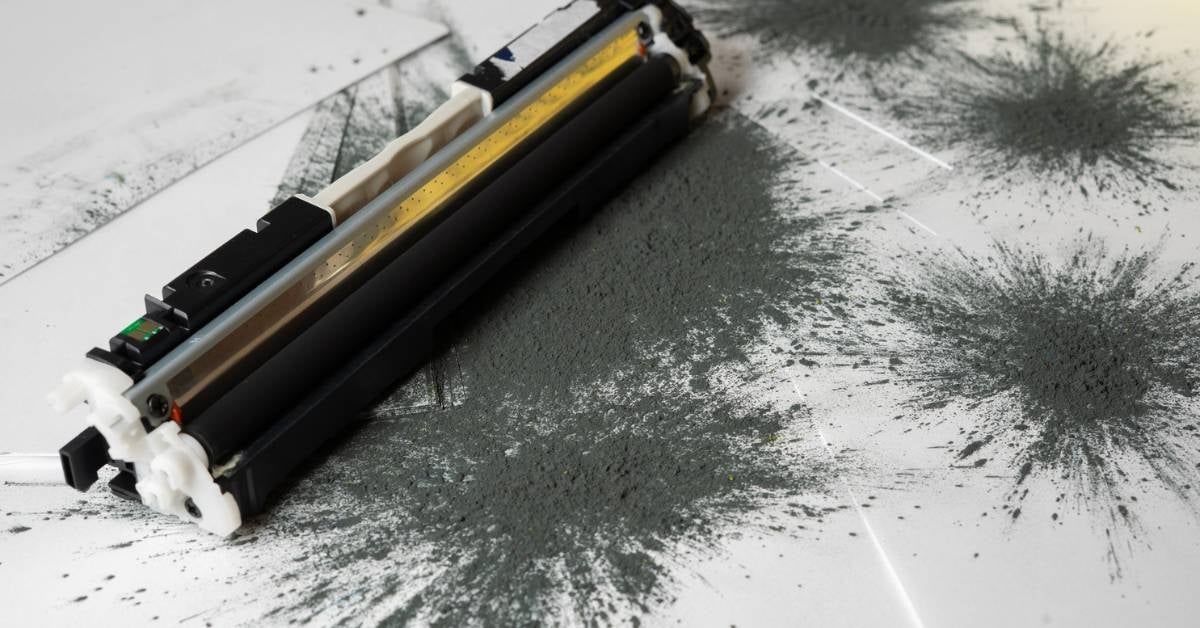
Not every compatible cartridge will cause problems. Reputable third-party manufacturers do produce cartridges that perform reliably, particularly for low-volume environments. But the risks are real enough that businesses relying on their printers for consistent, high-volume output should understand them.
Here are common issues associated with poor-quality compatible toner:
-
Toner leakage inside the machine, which can coat internal components and cause lasting damage
-
Inconsistent print density, resulting in faded text, streaks, or uneven coverage across the page
-
Toner that smears or can be rubbed off the page, indicating poor fuser adhesion
-
Cartridge recognition errors, where the printer rejects the cartridge or reports false low-toner warnings
-
Accelerated wear on the drum and fuser from cartridges that don't fit precisely or use abrasive toner formulations
These aren't rare edge cases! They're the kinds of calls print techs field regularly. And the cost isn't just the repair. It's the downtime while the printer is out of service, the staff time spent troubleshooting, and the reprinting of whatever came out wrong.
What About Your Printer’s Warranty?
Most printer manufacturers don't automatically void your warranty if you use third-party toner. What they typically won't cover is damage that a third-party cartridge caused.
That distinction matters: if a compatible cartridge causes a fuser failure, the repair is on you.
For businesses running printers under an active service agreement, it's worth reviewing what your contract covers — and what it excludes when non-OEM supplies are involved.
Beyond Price: The Real Cost Comparison
 The per-cartridge price of compatible toner looks favorable until you account for the full picture:
-
Compatible cartridges often yield fewer pages than OEM cartridges, meaning you buy more of them
-
Print quality issues lead to reprints, which consume supplies faster
-
Hardware failures from toner damage result in repair costs or early equipment replacement
-
Downtime has a labor cost that never shows up on the supply invoice
-
The reprogrammable chips inside compatible toner cartridges could contain a cybersecurity risk
If you’re printing at a lower volume, your printing equipment wasn’t a significant investment, and you can absorb more downtime, compatible toner could still save you some money. That said, there are better ways to save on print costs.
FAQs About Compatible Toner
Toner purchasing decisions tend to surface the same questions. Here are direct answers to the ones that come up most:
Does compatible toner void my printer's warranty?
Using compatible toner doesn't automatically void a printer warranty. Most manufacturers maintain coverage for the printer itself, regardless of which cartridge brand you use. The exception is damage directly caused by a third-party cartridge — that specific repair typically falls outside warranty coverage, leaving the business responsible for the cost.
Can compatible toner damage my printer's drum or fuser?
Yes. Poorly manufactured compatible toner can accelerate wear on the drum and fuser, two of the most expensive components to replace. Toner that doesn't adhere properly, leaks inside the machine, or uses a different particle formulation than the OEM spec can shorten the lifespan of these parts over time.
Is compatible toner ever a reasonable choice?
For low-volume printing, a reputable compatible cartridge from a well-reviewed manufacturer may perform adequately. The risk increases significantly in high-volume environments, on older equipment, or when purchasing from unfamiliar sources. When in doubt, OEM toner is the safer choice.
Why does compatible toner sometimes print fewer pages than the box claims?
Page yield on toner cartridges is measured under standardized test conditions. Compatible cartridges don't always meet the same testing standards as OEM cartridges, and some are filled with less toner than the OEM equivalent. The result is fewer usable pages per cartridge than the listed yield suggests.
What are the warning signs that toner is damaging my printer?
Watch for toner residue inside the machine, print quality that degrades quickly after installing a new cartridge, smearing or streaking that wipes off the page, unusual error messages, or a fuser that runs unusually hot. If you see any of these, remove the cartridge and inspect your device before continuing to print.
Managing Print Costs the Right Way
If toner costs are starting to affect your bottom line, they're usually a symptom of a much bigger issue. Unmanaged print costs can often be a business’s third-highest expense, after rent and payroll.
That’s why managed print providers are able to save businesses more than the service costs — often by 10%–15% or more. As a bonus, print costs become predictable, supplies are handled automatically, and the equipment is maintained to perform consistently over time.
Click the link below to get a quick online estimate.