There are two questions to ask a provider that often clear things up right away. First off, if they haven’t significantly updated their tools over the past five years, that’s a red flag. And if they don’t have a SOC II Type 2 report, that would be my cue to look elsewhere.
But there are countless vendors, tools, and promises in the market. And the right partner isn’t only defined by flashy technology. They’re defined by how well they understand your business, reduce your overall risk, and help you make confident decisions over time.
Here’s what that looks like.
They Start With Your Business Reality, Not Security Tools

Not every business experiences the same amount of risks in the same areas. One sign of a good cybersecurity partner is that they will ask thoughtful questions before making recommendations.
For example:
- What systems and data are most critical to your operations?
- Are you primarily cloud-based, on-premises, or hybrid?
- Do employees work remotely or from multiple locations?
- Are you expected to meet specific customer or industry requirements?
If a provider jumps straight into selling tools without understanding how your business actually operates, that’s a bad sign.
Cybersecurity should support your workflows — not complicate them.
They’re a Partner, Not a Product Reseller
Many cybersecurity providers lead with a single solution or platform. While strong tools matter, small businesses benefit most from partners who focus on outcomes, not just products.
A true cybersecurity partner should:
- Explain risks in plain language
- Provide you with a clear roadmap to increase cybersecurity
- Adjust recommendations as your business changes
- Act as an extension of your team, not just a vendor
This is especially important for small businesses that don’t have in-house security specialists and need guidance they can trust.
They Don’t Over-Promise
Cybersecurity isn’t a one-time project, and no single solution eliminates all risk. What matters is visibility and consistency.
A reliable partner should be clear about:
- What’s included in their services — and what isn’t
- How pricing works as your business grows
- How incidents are handled and communicated
- What “good” security looks like for a business of your size
My advice? Avoid providers who rely on vague language or make guarantees that sound too good to be true. Clear expectations build confidence and prevent surprises later.
They Can Support Microsoft-Centered Environments
61% of all Microsoft 365 business customers are small businesses with fewer than 50 employees. If you rely heavily on Microsoft tools, you’ll get more value from your cybersecurity partnership if they understand how to secure these environments properly — and not just bolt on disconnected tools.
That includes:
- Identity and access management
- Email and collaboration security
- Endpoint protection
- Visibility across users, devices, and cloud activity
Fortunately, it’s easy to assess your cybersecurity partner’s Microsoft expertise: Find out what Microsoft Solutions Partner Designations they have.
They’ll Guide You Towards Breach Readiness

Prevention is essential, but readiness is just as important. Small businesses are often most impacted by incidents not because of the attack itself, but because they don’t have a clear plan for responding.
A strong cybersecurity partner should be able to help you:
- Understand what to do if something goes wrong
- Define roles and escalation paths
- Plan ahead for quick and effective incident response
- Recover more quickly and confidently
If breach readiness isn’t part of the conversation, that’s a gap worth addressing.
They Can Provide Scalability and Flexibility
Your business won’t look the same in two or three years. New hires, new tools, and new customers all introduce change — and security needs to scale with them.
Look for partners who offer:
- Flexible service options
- The ability to start small and build over time
- Support that grows with your organization, not ahead of it
Bonus: Access to Strategic Cybersecurity Guidance When You Need It
Many small businesses don’t need — or want — a full-time Chief Information Security Officer. But they still face decisions that benefit from experienced security leadership, such as prioritizing risks, planning improvements, or responding to new requirements from customers or insurers.
Some cybersecurity partners offer access to virtual CISO (vCISO) guidance, which provides:
- Executive-level perspective without executive-level overhead
- Help translate technical risks into practical business decisions
- Ongoing direction as your environment, tools, and risk tolerance change
It’s not the right fit for everyone, but this kind of support can be especially valuable for small businesses that want to be proactive about cybersecurity but don’t have the time or resources to manage strategy on their own.
They Lead With Clarity
The best cybersecurity partners don’t rely on fear or technical jargon.
They help you see:
- What’s working today
- Where your biggest risks actually are
- What steps will deliver the most value next
That level of clarity can help bridge the gap between IT teams and executive leadership and empower better decisions.
FAQs About Small Business Cybersecurity Services
Every business conversation I have is a little different, but here are a few common questions:
What’s the cost of cybersecurity for a small business?
The cost will often vary based on your organization’s size, risk level, and complexity — and how your cybersecurity partner prices their services. Keep in mind that a partner who can help you get more use out of the tools you already have could save you quite a bit of money. Also, the cost of cybersecurity is nothing compared to the cost of a cybersecurity failure.
Is there a small business cybersecurity checklist?
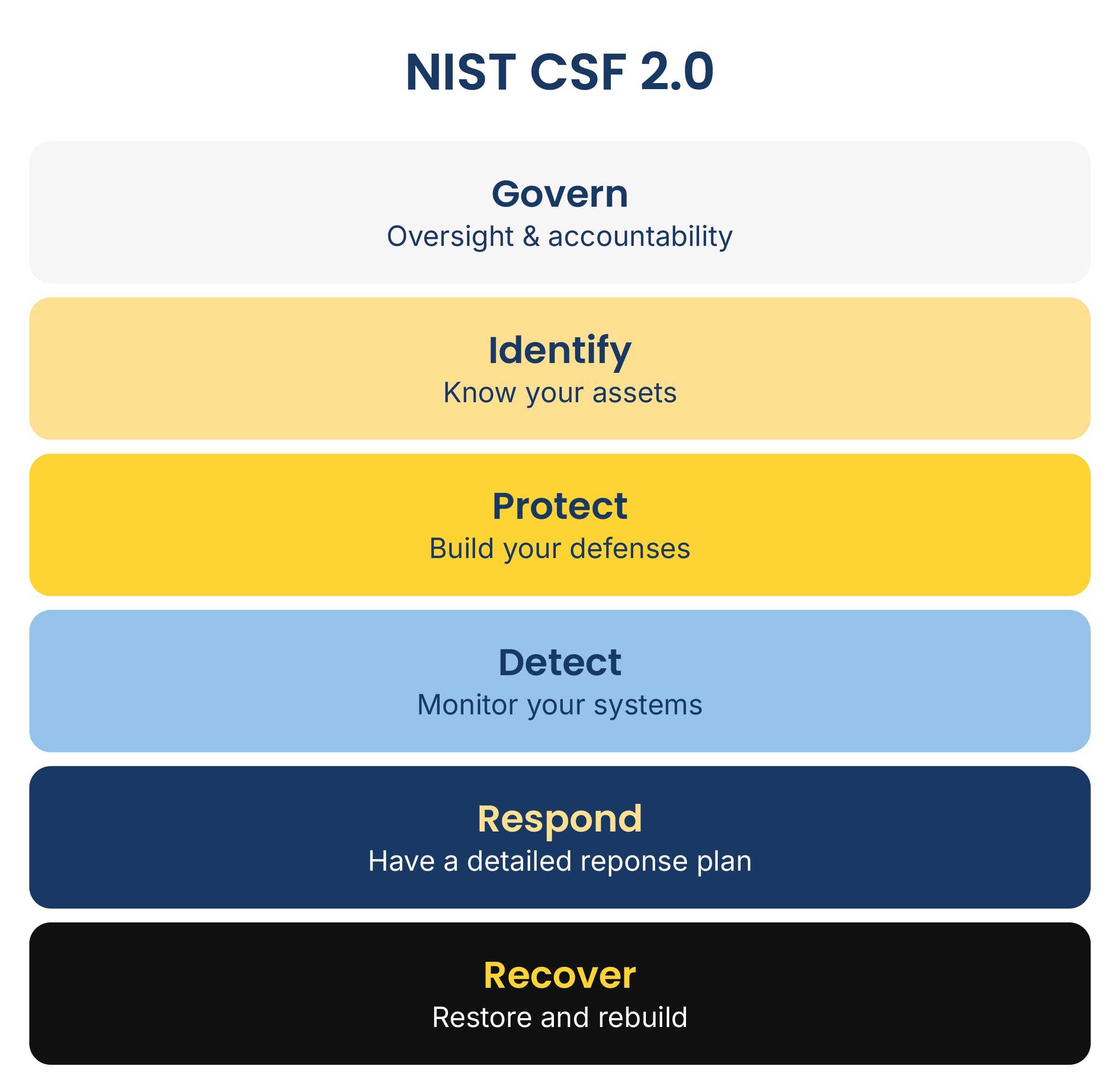
Yes! Our interactive checklist is based on best practices as outlined in the NIST CSF as well as CIS.
Do small businesses need cybersecurity?
Yes, unfortunately, small businesses are actually a preferred target for many cybercriminals, as they’re less likely to have best practices in place. Also, due to the rise of AI, it’s easier for cybercriminals to launch attacks more quickly.
Will AI replace cybersecurity?
No. AI helps cybersecurity professionals be more efficient, but it doesn’t eliminate the need for people, processes, or planning. As attackers also adopt AI, businesses still need oversight and guidance to keep security aligned with real-world risks.
Managed Security Services Designed for SMBs
Our IT and security support plans are designed to meet businesses where they are, with multiple support options so you can get what you need without paying for what you don’t.
They’re not the only cybersecurity services we offer, but they’re powered by Microsoft tools, which often makes it easier for small businesses to get more value from the tools they already have.
Click the link below to see plan features and pricing!