Data loss happens, and it can happen to anyone. However, when it happens to an organization on a large scale, it can be very, very costly. So Marco’s backup and disaster recovery experts decided to put their heads together with the pros at Barracuda (an industry leader in data loss prevention solutions) to compile a 3-part blog series dedicated to the topic.
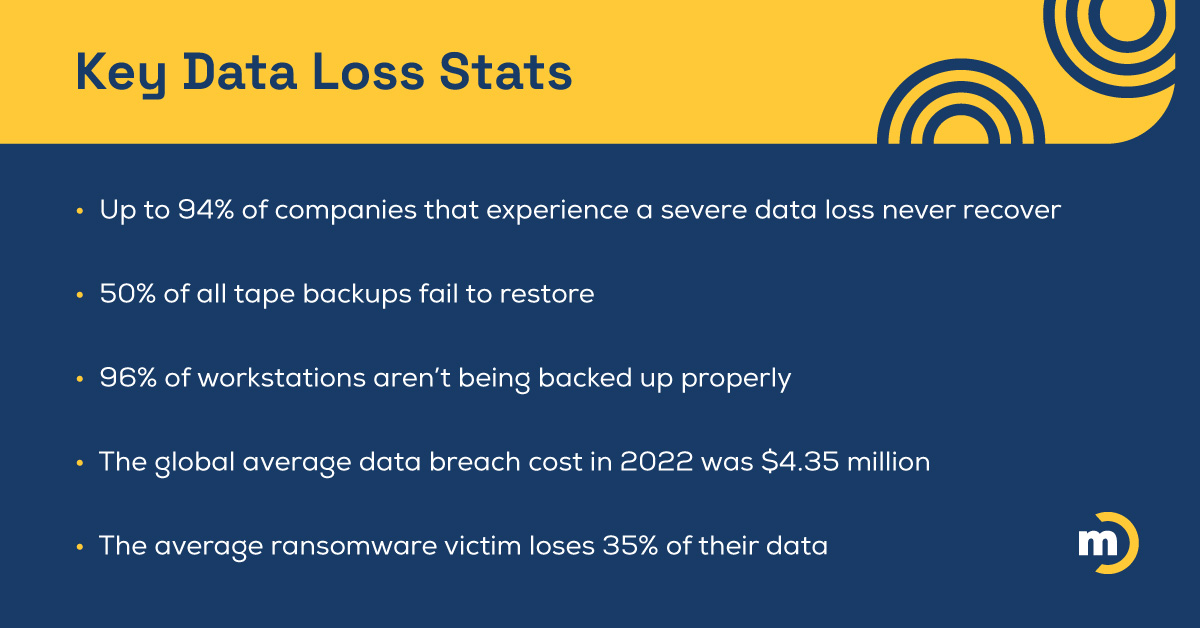
This first blog will focus on why data loss solutions are so important, and we’ll do a deep dive in our next two about the nuts and bolts of disaster recovery and effective backup strategies. So keep an eye out, but first, here are some stats that paint a clear picture!
Recent Data Loss Statistics
Just to preface this a bit, these stats don’t exactly look good. It’s not that we enjoy scaring people, but sometimes it’s hard for organizations to understand the value of prevention unless they understand what they’re up against. Small to midsize businesses in particular tend to underestimate their risk, but these numbers speak volumes.
The Consequences of Data Loss

Some organizations may be able to recover important employee information from accidental deletion in a matter of hours. But…what if that same information were stolen by hackers, and they threatened to release it on the dark web and tell the local media what they’d done? How would your customers feel about doing business with you going forward?
The hidden, and not-so-hidden costs of data loss largely depend on what was lost, and where it went.
What Data Can Be Lost?
As we talk about the consequences of data loss, keep in mind all the data that your organization needs on a daily basis just to maintain proper workflows:
- Critical business applications
- Customer data
- Employee information
- Financial and payroll data
- Email systems
How Much Does Downtime Really Cost?
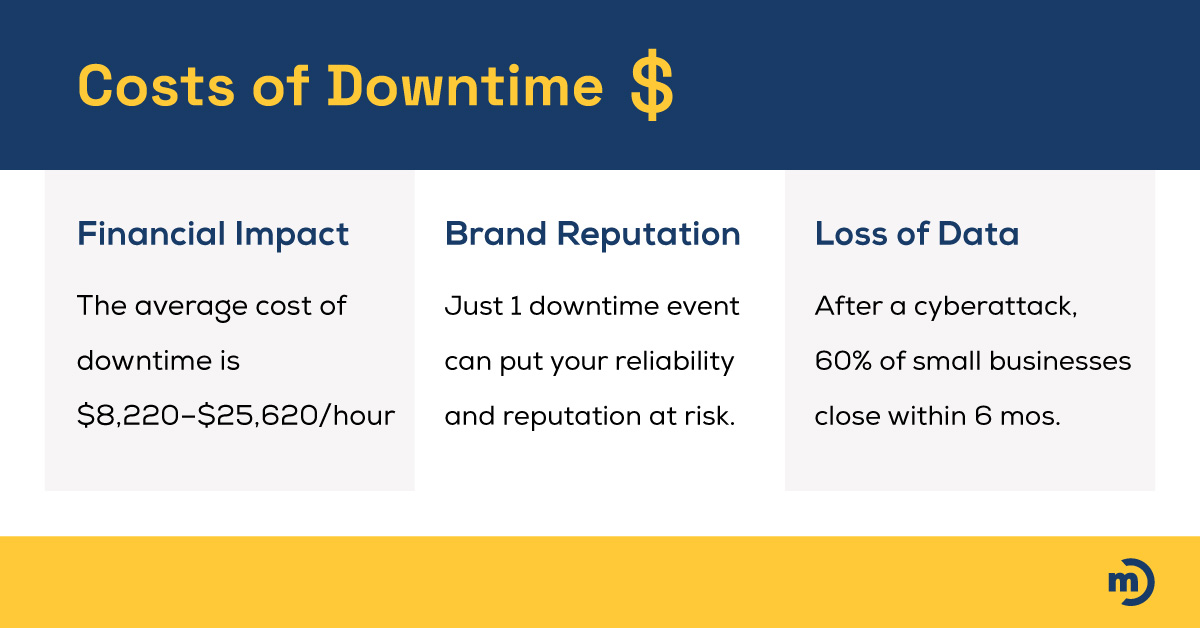
Maximum allowable downtime (MTD), aka maximum tolerable downtime, is the longest possible time you can tolerate being unable to perform a certain business function. Some businesses may be able to survive longer without access to their customer data, for example, but for others, even a few hours would be catastrophic.
The following industries typically pay a very high price — up to $5M/hour of downtime:
- Finance
- Healthcare
- Government
- Manufacturing
- Communications
How Can Data Be Lost?

Data loss isn’t anything new. Even before cybersecurity threats were skyrocketing, the risk of data loss wasn’t zero.
Here are the top 6 most common ways data is lost:
- User error
- Equipment failure
- Natural disasters
- Fire
- Theft
- Viruses
Even if a hacker isn’t setting their sights on your data, as you can see, there are plenty of other threats you need to consider. Believe it or not, user error remains the most common cause of data loss, even in this day and age!
We should also add that theft also happens the old-fashioned way, when a disgruntled employee, an unscrupulous vendor, or an intruder makes off with confidential files. If you’re looking to secure your workplace, don’t neglect the basics, like maintaining a clean desk and no-tailgating policies.
The Importance of Data Loss Solutions

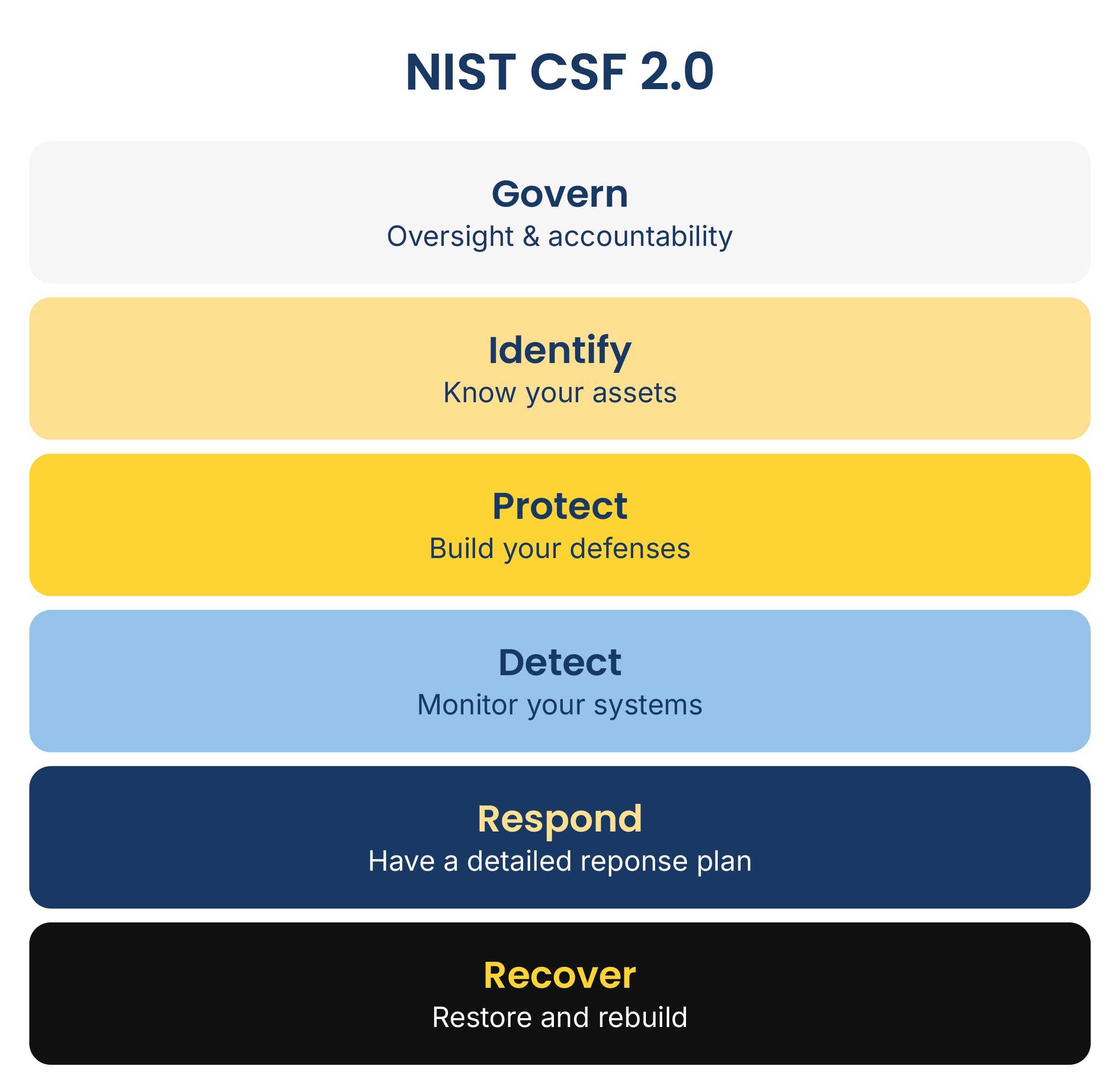
Data loss is a big problem, but it’s largely a preventable one. Human error, as we mentioned earlier, is the top cause. It’s responsible for a whopping 82% of data breaches. Misconfigurations, negligence, and basic carelessness will always be a factor, but that doesn’t mean nothing can be done to reduce your risk. Actually, many companies — yes, ours and Barracuda included — have designed relatively simple and highly effective prevention strategies that are in line with the NIST Cybersecurity Framework.
In addition to effective prevention methods, including end user training, encryption, and access controls, organizations should still prepare for worst-case scenarios with tried and true backup methods and robust recovery plans.
We’ll get into both of these in more detail in our next two blogs! Until then, we — Marco and Barracuda (Marco-cuda?!) — have put together a simple worksheet to estimate your costs in the event of a data loss. 
If you’re having trouble getting buy-in from your leadership, give this a try!