What’s largely responsible for most workplace failures? 86% of employees and executives would tell you it’s poor communication, which is perhaps why enterprise-scale companies with workers on different floors or in multiple locations were the quickest to embrace Unified Communications (UC) platforms.
Before the pandemic, it was often thought that UC solutions just weren’t that beneficial for most small to midsize businesses. But a lot has changed in just a few years, including shifting mindsets about remote work and flexibility. Many SMBs remain skeptical about the importance of UC tools, and I’d argue that it’s putting some of them at a disadvantage.
Top UC Tools To Improve Workplace Communication 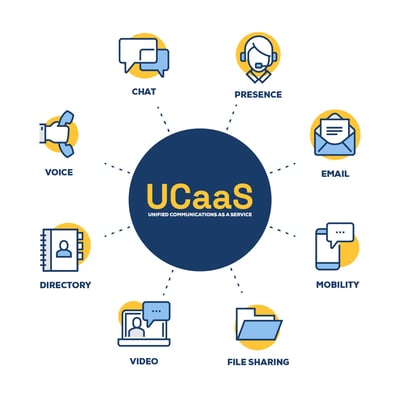
New and "cool" communication tools are great, but using them correctly can make all the difference. Here is my compilation of the UC tools that contribute the most to workplace productivity.
1. Voice Calling/Softphones
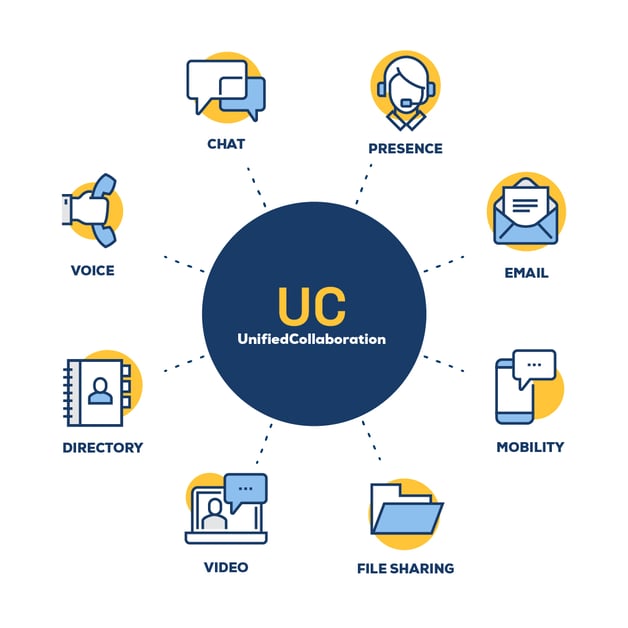
The beauty of Unified Communications is right there in the name. UC platforms contain everything, including voice calling, all within the same platform. Instead of switching from one tool to the next — and having multiple collaboration tabs open at once — you can place calls, chat, and schedule a meeting all in the same tab. And you can ditch your desk phone as well.
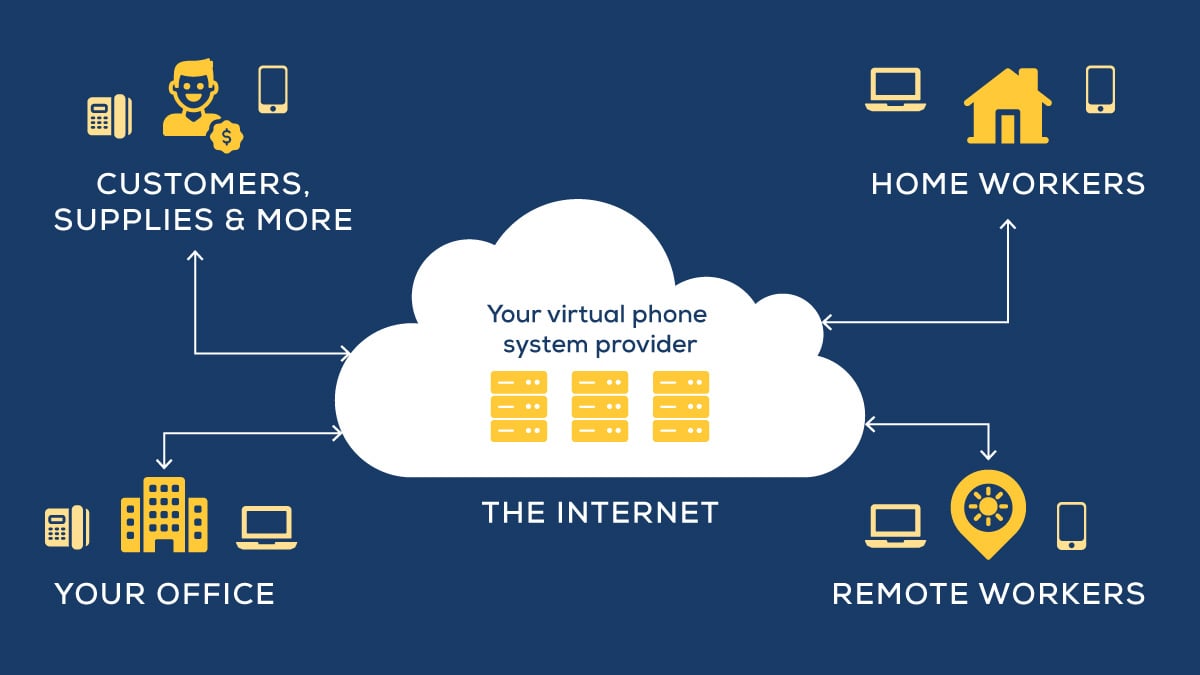
A softphone is a software version of your business phone system; with your UC platform, you can access your business’s phone system and its capabilities through a smart device — like a laptop, smartphone, or tablet — and make and receive calls from anywhere. Your coworkers and customers will never need more than one contact number for you, and you’ll be able to provide them with the same seamless communication no matter where you are.
2. Presence and Messaging
Is so and so in the office, or should you ping someone else? UC platforms allow you to see connected users, which is especially helpful when teams work on entirely different floors, or in different states, for that matter. And while old-school tools like email are still useful, when you have a quick question, instant messaging features allow you to get answers quickly and keep projects moving.
When you can spit out questions and responses quickly, it also lessens the burden of having to compose a lengthier email, and messaging tends to feel more organic and informal, in other words, more human.
3. Videoconferencing
Being able to communicate by video has been around for a while, but it hasn’t always been easy and ubiquitous.
From my experience, the advantages of video communication come into play instantly — you can immediately see how engaged everyone is, and whether or not you have their full attention.
Considering that 55% of communication is dependent on non-verbal cues, the ability to read the body language and facial expressions of everyone else in a meeting, video conferencing is especially helpful when more complex or nuanced conversations are required.
The Benefits of Greater Flexibility
Unified Communications allows for more workplace flexibility, and now that we’ve had a few years to study the effects of remote and hybrid workplaces, we can put real numbers around what that does and doesn’t mean for businesses.
As it turns out, offering employees more flexibility around when and how they work can help your business be more productive, not less. You’ll also have an easier time attracting and retaining talent, and in the long run, more flexibility is associated with cost savings and greater profits. Unified Communications, especially when combined with other cloud solutions, allows you to grab all of these benefits while still preserving the organic conversations and workplace relationships that make each business’s culture unique.
The Easiest Way To Upgrade Your Collaboration Software
If you’ve been curious about upgrading your collaboration tools, one of our experts would be happy to talk with you about what solutions they’d recommend. We understand that not every business communicates or collaborates in the same way, and the right tools make a big difference.
We’ve also put together a more in-depth guide about Unified Communications as a Service (UCaaS). Click the button below to download your free copy.