
6 Surprising Stats About Printing Costs 

6 Surprising Stats About Printing Costs

6 Surprising Stats About Printing Costs In this age of text alerts, email blasts and mobile device marketing, printing remains a vital function for many businesses. From simple in-house uses such as contracts, welcome pamphlets and presentations, to outbound materials like newsletters and coupon cards, business printing remains instrumental.

Even with the continuous excitement and innovation of the mobile revolution, business printing must be effectively managed. The following printing statistics highlight the importance of monitoring your print expenses and make the costs associated with these responsibilities apparent.

1. Nearly 90% of Companies Don’t Track Printing Costs

In an age of economic recovery and strict budgetary constraints, it is truly surprising that a business would turn a blind eye to print expenses. However, Buyer’s Laboratory reports that 90% of companies fail to track printing costs.

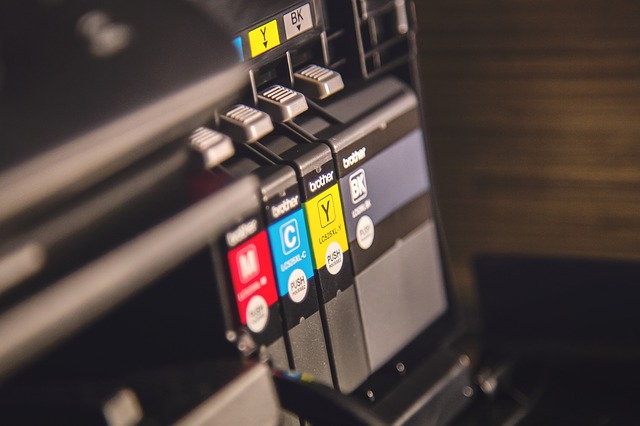
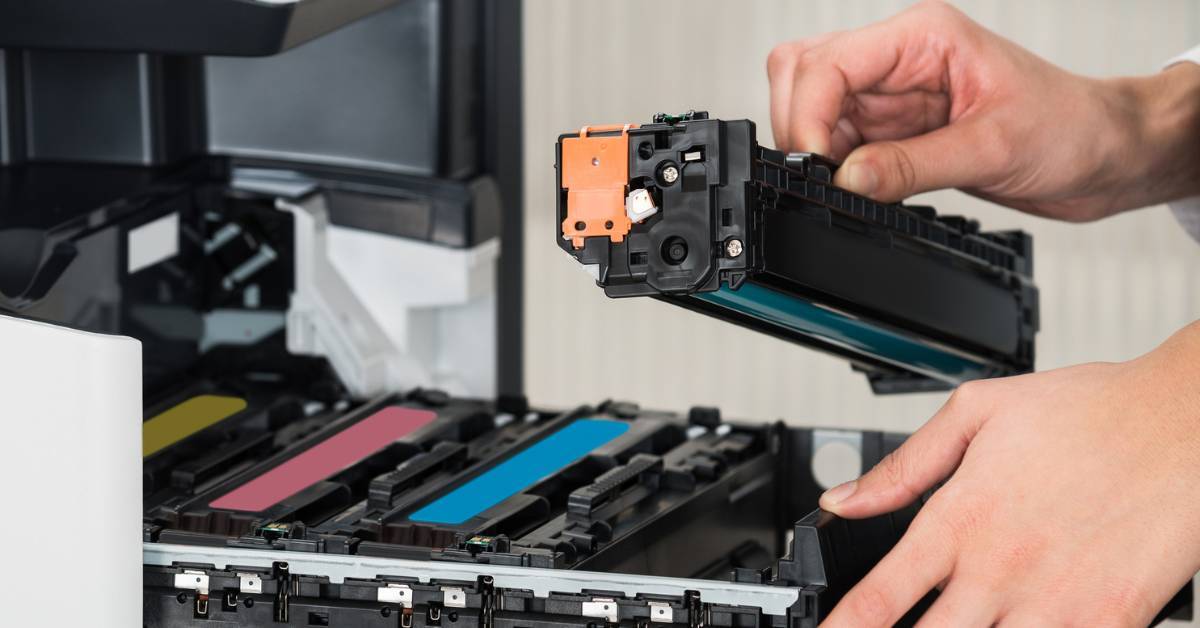
Failing to monitor print costs is a waste of vital resources. Between machines, ink, toner and paper alone (not to mention service expenses), maintaining printers can be expensive. Without oversight, money can be easily lost on products or services your company doesn’t need.

Additionally, a failure to track print costs could lead to supply shortages. A lack of usage, ink, toner and paper tracking could interrupt your print projects and overall productivity.

2. Document Costs Represent 5-15% of Revenue

IDC has found that document costs eat up anywhere between 5% and 15% of the average business's annual revenue. Printing is expensive, there’s no doubt about it. However, there are ways to minimize the impact printing has on business revenue.

The simplest solution to this problem is to implement better print management systems throughout your company. A defined strategy for your printing will ensure that the machines, supply-use and users are operating efficiently, from a business productivity standpoint.

3. The Average IT Department Spends 15% of its Time on Printing Issues

Printers, like all other office hardware, need to be managed, maintained and have issues addressed as they arise. The average IT department spends 15% of its time responding to printing-related issues including, but not limited to, user assistance, software compatibility and network connectivity. That's one print cost many organizations don't account for. 

Among the many responsibilities assigned to your IT personnel, printing issues aren’t a top priority. Allow your IT department to remain focused on their primary tasks by ensuring that a print strategy is in place and the necessary support is available when needed.

4. 23% of Help Desk Calls are Printer-Related

The average help desk is inundated with printer-related calls on a regular basis; this demonstrates that printing is still an important function in most offices, and questions still arise requiring assistance. According to IDC, 23% of help desk calls are printer-related. There are a number of ways to help minimize this issue, with the most useful solution being proper maintenance and management.

5. Supplier Agreements can Reduce Operating Costs 20-30%

One of the best ways for your business to reduce its operating costs associated with printing is through a trusted partnership with a Managed Print Service provider. For starters, a strategic agreement will provide your company with stable, long term access to printing management, support and resources, all at affordable rates. Long term, this relationship can streamline your fleet of equipment, simplify print vendor relationships, improve workflow and save you money.

6. Most Companies are Missing Out on 10-30% in Potential Savings

Without proper oversight of business printing costs, your company is likely missing out on significant savings. In terms of your printing environment, a lack of cost supervision and management leads to financial waste. The Gartner Group has found that many companies can potentially reduce their printing expenditures by anywhere from 10% to 30%.

For a more in-depth analysis of your print environment, or specific areas causing trouble within your organization, get started with our free print calculator:

What Do You Currently Pay for Printing? Download Free Costs Calculator

Related Posts

Urgent PaperCut NG/MF Vulnerability: What You Need to Know

If you run PaperCut NG or PaperCut MF, this is the one advisory to stop and read today. In short: PaperCut has confirmed active, real-world exploitation of a vulnerability affectin...

How To Choose the Best Wide Format Printer for Your Business

If you're printing large-format jobs often enough that outsourcing is starting to feel expensive, slow, or both, you might be wondering if it’s time to bring a wide format printer ...

How Do Thermal Printers Work? Everything You Need To Know Before You Buy

Ever tried to scan the barcode on a shipping label only for it to come back illegible? Or watched your receipt printer jam for the third time today while customers wait in line? We...

Compatible Toner Cartridge vs. Original: The Real Impact on Your Printers

When it comes to toner, you have choices: Do you purchase the Original Equipment Manufacturer (OEM) toner, or go with a cheaper, but allegedly “compatible” toner? Depending on the ...

What Is Cloud Printing?

Cloud printing is a technology that lets users send print jobs from any internet-connected device — a laptop, smartphone, or tablet — to a printer without being physically on the s...

Office Copiers Explained: How They Work and What They Can Do in 2026

Modern copy machines have evolved far beyond simple copying. They're now sophisticated multifunction devices that can significantly impact your office's productivity and efficiency...

How To Reduce Business Costs Through Smarter Printing

Most businesses I work with already have a sense that they're spending too much on printing. What surprises them is how much that number actually is. On average, print costs are $7...

Questions To Ask Before Purchasing a Production Printer

Does your organization need to produce a lot of printed materials? If you do a significant amount of print marketing or you’re an educational institution, the answer is undoubtedly...

Local vs. Network Printers: Which Is Right for Your Business?

Printing may not be the flashiest part of your IT environment, but it plays a critical role in day-to-day business operations. From invoices and contracts to marketing materials an...

Where Should Printers Be Placed? Marco’s Experts Offer Surprisingly Effective Print Tips

Is your printer having a lot of mechanical failures? Before you blame your printer, you might want to rethink its placement. Believe it or not, you can avoid a lot of frustrating p...