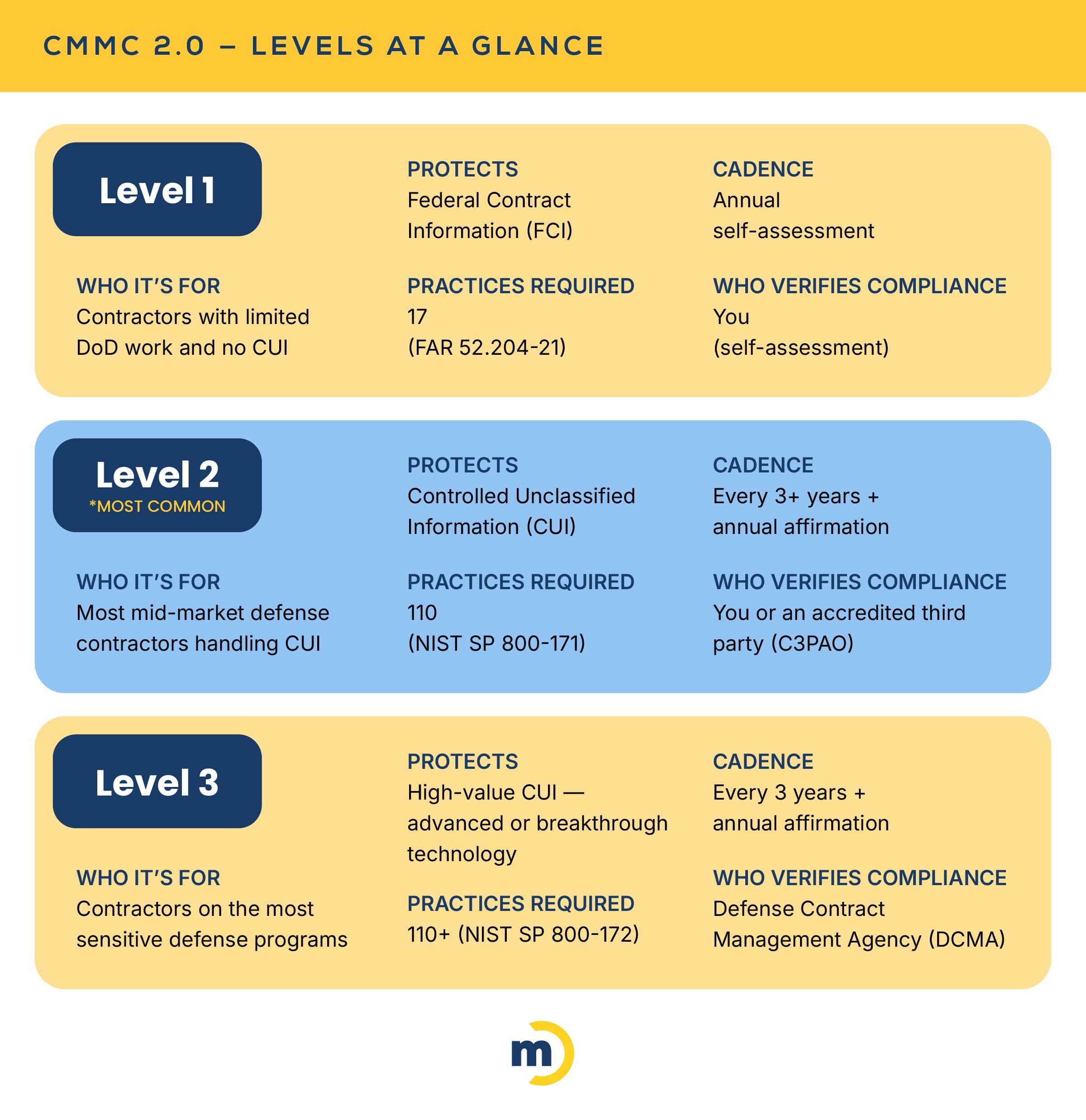
Large facilities, heat, dust, vibrations, and electromagnetic interference are hard on sophisticated electronics. Add in budget constraints, skill gaps, legacy systems, and the need for constant uptime, and it’s no wonder that many manufacturers that would love to embrace more IoT tech have gotten stuck.
Not that it’s a competition, but when it comes to having challenging IT needs, manufacturers may very well win. However, while all of these challenges I’ve outlined are textbook use-cases for managed IT, many of the manufacturers I’ve talked to remain skeptical, especially when it comes to ROI. So in this blog, I’ll explore some of the ways an IT provider can help manufacturers meet their goals, starting with a big one — saving money.
The ROI of IT Managed Services for Manufacturers
According to one survey, 50% of companies who outsourced their IT needs saved 1-24% in annual IT costs, 33% saved 25-49%, and 13% reported savings of more than 50%. That’s a wide range, which makes sense because not all providers are the same, and how much a company will save through outsourcing largely depends on their existing infrastructure and their choice of partner.
That said, it’s pretty common for any business owner to want to talk first about clarifying ROI. And just to start off with full transparency, at Marco, we are not always going to be the cheapest provider. However, we do aim to provide the most value for the money and help our clients save much more on their IT infrastructure.
You absolutely deserve to know what you can expect to get for your money, and that shouldn’t be a mystery. When I talk with a prospective client, I am always happy to get out the calculator so we can talk in terms of dollars and cents. If your IT provider doesn’t want to do that, that’s a red flag.
What Managed IT Services for Manufacturers Can Unlock
Even as new technology promises to help solve age-old problems for manufacturers, for every promising improvement, there seems to be an equal number of barriers that get in the way of adopting it. But let’s start with a big one — IoT.
IoT Technology
There are so many practical applications for Internet of Things (IoT) tools in manufacturing, it’s ridiculous.
Connected inventory systems can automatically track raw materials and finished products, eliminating the need for manual counting and reducing the risk of stockouts and excess inventory carrying costs. Environmental monitoring can optimize energy usage by adjusting HVAC systems based on actual conditions rather than predetermined schedules.
All of these devices become massively more valuable when they’re paired with AI algorithms, which can analyze them to identify patterns and anomalies that are invisible to human beings. So let’s go there next.
Artificial Intelligence Tools
Predictive maintenance systems — powered by AI — can analyze equipment sensor data to forecast failures before they happen, which can reduce downtime and also extend the lifecycle of expensive equipment.
AI tech is also behind new quality control tools that can detect microscopic defects with impressive accuracy and speed. AI systems are also now capable of anticipating and mitigating supply chain disruptions, simulating process changes, and finding opportunities for optimization.
A lot of the barriers I outlined at the top of the blog can make it difficult for more manufacturers to adopt IoT and AI tools, which makes them excellent goals to throw at an IT provider.
Combating Cybersecurity Threats
Cybersecurity solutions aren’t one-size-fits-all, but that doesn’t mean you need to reinvent the wheel.
Cybercriminals target industries differently, and an IT provider that has a deep bench of cybersecurity experts will be able to suggest the solutions that will provide the protection you need without bogging down time-sensitive processes.
Additionally, as more companies are taking a hard look at the cybersecurity of every vendor they work with, investing in cybersecurity improvements can be a significant competitive advantage.
Simplifying Compliance

Regulations can be difficult to interpret, and they’re also subject to change.
But a managed IT provider with enough size to stay on top of cybersecurity threats also has the bandwidth to stay current with evolving standards and make sure that your infrastructure is in alignment with current frameworks.
They can also make your life easier with automated compliance monitoring, as well as document management systems to streamline the storage, retrieval, and management of compliance-related documents.
Finding the Best Managed IT Services Provider for Manufacturers
I might be biased here. And, as a Midwesterner, I’m far more likely to say that Marco is a “darn good managed IT service provider for manufacturers,” as opposed to calling it “the best.”
What does that even mean? Well, when I say, “darn good,” I mean Marco has a long history of working with clients with special IT needs, including manufacturers. I mean that we’re comprehensive providers, which means we can solve more complex problems that require experts with multiple specialties. And I mean we don’t provide cookie-cutter IT, but instead, work with our clients to make sure we’re helping them hit their goals faster while reducing costs. And, like most manufacturers, we can’t hide the numbers. We give our clients the tools they need to track our performance.
But managed IT isn’t the right solution for every business. So if you’re on the fence, our IT team has put together a list of 10 signs your business could benefit from managed IT. Find it in our comprehensive guide below.