The phone system. It's an essential communication tool. After all, communication is vital to business operation – and we know that's not changing anytime soon.
 With that being said, the phone system is essential, but the frustrations that come along with it are not. Now, we know that every business is unique – so your frustrations won't be exactly the same as what the business next door experiences.
However, I’m willing to bet you’ve felt frustrated by at least two of the following elements of your premise-based phone system. Luckily, I have solutions for all five of them.
#1: It’s Difficult to Scale Our Phone System (Up or Down)
It’s true – premise-based phone systems are difficult to scale in either direction. Once your initial set-up is complete, making changes becomes a challenge that can only be fixed by paying your phone system provider to do it and adding modular components and software licenses. Because of this challenge, many businesses attempt to predict what they will need in their phone system 5-10 years from now. There’s a lot of risk in this approach – not to mention you end up paying for things you don’t need, just because you might need them in the future.
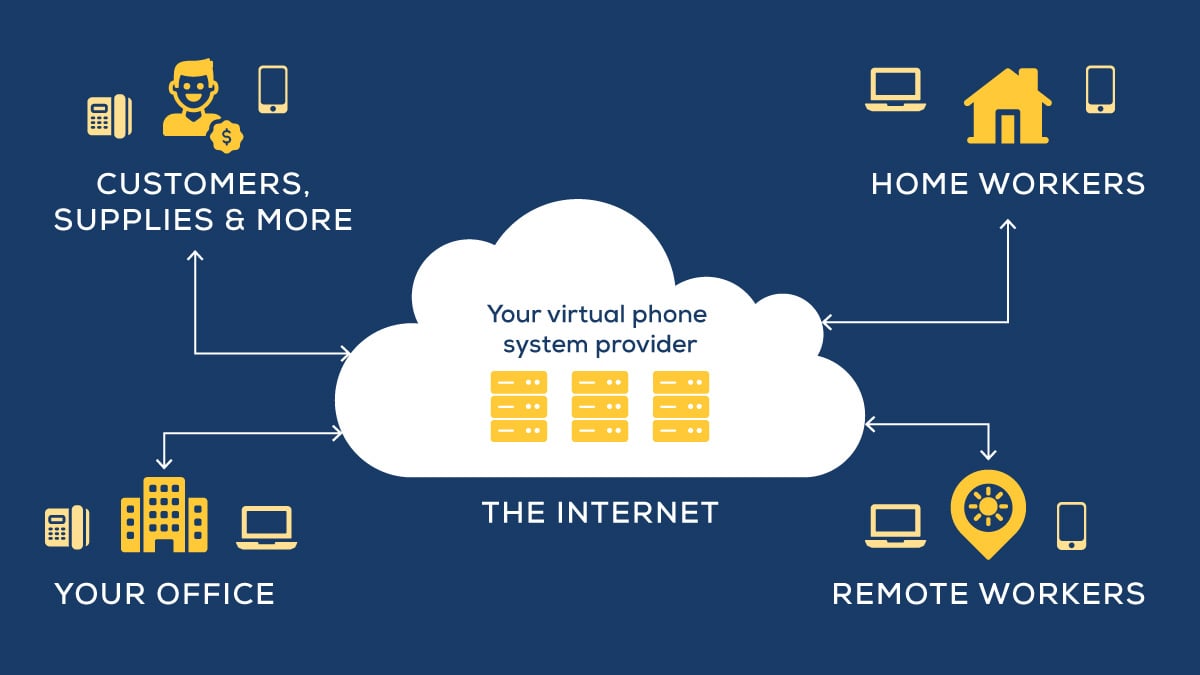
A cloud voice solution eliminates this frustration – and the responsibility from your shoulders. With
#2: All I Can Do is Call and Get Voicemail
Phone systems – especially budget-friendly ones – tend to be very limited when it comes to features. Outside of receiving calls, making calls and getting voicemails, most businesses don’t have access to those advanced features that make business communication much easier.
With
- Caller ID with business name and phone number
- Voicemail to email/text
- Find Me Follow Me: allows your desk phone to ring on multiple devices at the same time (so wherever you are, you can receive calls made to your office)
- Personal Attendant and Virtual Auto Attendant
- Soft Phones: no handset needed because you can make calls right from your computer or web browser
- Receptionist Dashboard: give your receptionist an all-encompassing view of your phone system
- Reporting: know how many calls in and out; get full call detail records, available at any time
- Hotdesking: from desk to desk, to conference room, to home (work from anywhere)
#3: High Expenses Upfront and Ongoing
With traditional PBX phone systems, you pay upfront for all your hardware and the installation of it. On the low end, this can start anywhere from $5,000-15,000. Any ongoing maintenance and support
The cost to get started on a cloud voice solution is much more manageable – typically less than $2,000. And all hardware, maintenance and service expenses get rolled into your monthly investment.
It is also important to mention equipment aging. With a traditional phone system, you buy the phone system hardware – which is the equipment you’ll use until you buy new equipment. In a cloud solution, you have constant access to the latest hardware, software
#4: When the Phone Lines Go Down, I Have to Figure Out What to Do
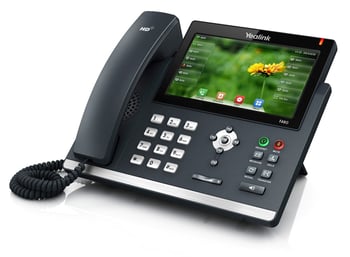 With
With
I always ask in return, what happens when your current phone system goes down? With a traditional phone system, you are responsible for power, connectivity, uptime, carrier services and vendor management.
With
- Voicemail
- Auto-Attendant
- Call Routing
- Direct Inward Dial (DID)
Soft Phone - Twinning
#5: It’s (Nearly) Impossible for My Team to Make Changes, but It’s My Responsibility to Make the Updates
Now, this can be quite the double-edged sword. Traditional phone systems are challenging to change once installed. This is because they are proprietary, meaning you need an experienced engineer to make necessary updates and changes. And every time you call, or your technician visits, you have to pay for that service.
Cloud voice solutions are much easier to manage, so any basic changes or upgrades can be taken care of on the fly. But, large system changes and upgrades are your provider’s responsibility, so most often you shouldn’t need to worry about any maintenance or management of your phone system.
So, the good news is… many of the frustrations of your current premise-based phone system frustrations can easily disappear with a cloud voice