
It’s only June, but data breaches are already racking up in 2022, up 14% from 2021. As cyberattacks continue to become more common and more devastating, it’s easy to feel hopeless. But cybercriminals are much like other criminals. They’re looking for a way to get money as easily as possible. If you make it hard for them to steal your data, they’re likely to pass you over in favor of easier pickings.
It may not seem like it, but many important cybersecurity tools are completely within your control. One in three data breaches is the result of unpatched software. Many companies large and small struggle to keep their software up to date. According to Osterman Research, 64% of organizations still take far too long to patch known flaws.
Of course, endless patching and upgrading eat up time many IT departments simply don’t have. Fortunately, there’s a better way to protect your data without overburdening your IT staff.
Cloud Computing Security Solutions
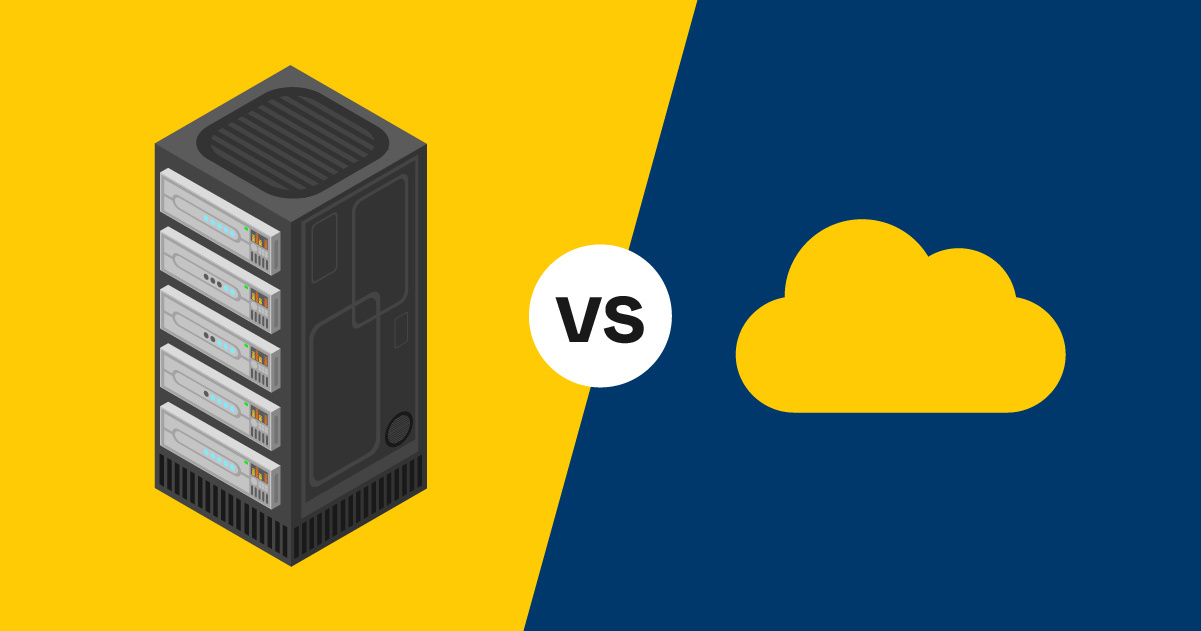
Managed cloud providers understand the need to keep a company's sensitive information safe and secure — and they know how to do it. They’re also in a better position to afford top-of-the-line security features than most individual companies can on their own. Below are some of the cloud computing security options managed cloud providers can offer.
1. Encryption
Encryption masks your data in a secret code so that hackers won't be able to understand the data, even if they have it. Encryption is especially important when sending files from one network to another, or when communicating sensitive information, like credit card numbers via online shopping carts and check-out forms. Encryption also protects email messages from being intercepted en route, so you can be sure that your communications stay between you and the recipient.
2. Spam and Virus Protection
You can't count on your employees not being misled by a phishing scheme or enticed by a legitimate-looking link that's loaded with malware. You need a security system that will block all such attempts to violate your security protocols. A managed cloud provider puts all those security features in place so you and your staff don't have to worry about keeping ahead of the latest attempts to compromise your data.
3. Backups
Losing your customer information, client files, tax information, and other data can be devastating. No company wants to tell their customers that they've lost their data, even to something as innocent as a power surge or server malfunction. By using a managed cloud provider, your data is stored off-site in duplicate locations, so if you face a power outage, system failure, or other network issue, the data you need to run your business is still accessible.
4. Disaster Planning & Recovery
Losing your physical office in a fire, flood, tornado, or other natural disaster is bad enough. But losing your sensitive client and important business data can put your entire organization in jeopardy. By storing your customer and company files in the cloud, you still have the heart and soul of your business, even if you have to physically relocate.
5. Solid, Supported Infrastructure
Having a secure, supported infrastructure behind your data offers a number of benefits. You can be assured that your data is safe from viruses, hackers, and environmental disasters. You can also save money by not having to purchase, house, cool, and maintain your own in-house servers. Even better, you can let your IT staff devote their energies to being creative and finding IT solutions to help your company and your customers succeed, rather than having to act as hardware caretakers.
While some companies fear losing control of their data security by working with a managed cloud provider, the result of such a move commonly provides an increase in security. Moving your data to the cloud offers increased protection from viruses and spam, better backup, and increased peace of mind, knowing that your valuable company and customer data is secure.
In addition to cutting-edge security solutions, cloud storage offers a wealth of advantages that are hard to overlook. That said, your IT department might be wary of taking on a cloud migration, especially if they’re already overwhelmed.
Get Expert Help Migrating to the Cloud
Migrating to the cloud can require some planning and expertise. Before deciding on a migration strategy this cloud computing questionnaire will help you pinpoint which cloud-based solution might be right for your organization, and how you can make the transition as seamless as possible. You also don’t have to go it alone. If your IT department is still catching up from the last few years, Marco’s experts are happy to act as consultants for projects like these and can help you put a plan into action.










![Cloud vs. On-Premises Communications [Infographic]](https://www.marconet.com/hubfs/UCaaS-infographic.jpg)