If you work for a school, I don’t imagine I have to go into great detail to explain the need for better security solutions. It’s also hard to imagine a parent in this country who isn’t concerned about the safety of their child daily.
There are a few technologies, however, that are surprisingly effective at not just monitoring what’s already happening but also acting as deterrents for a number of threats to student safety. In this blog, I’ll go through them.
Common threats to student safety
When most people think about risks to student safety, they typically think of incidents that make headlines, but are actually very rare compared to what schools deal with day-to-day.
Here's a more accurate list of the risks students face most often:
- Bullying
- Slips, trips, and falls
- Child exploitation
- Accidents and weather emergencies
- Infectious diseases
- Mental health and substance abuse issues
- Unwelcoming or hostile learning environments
- Targeted violence
An overview of modern school security systems
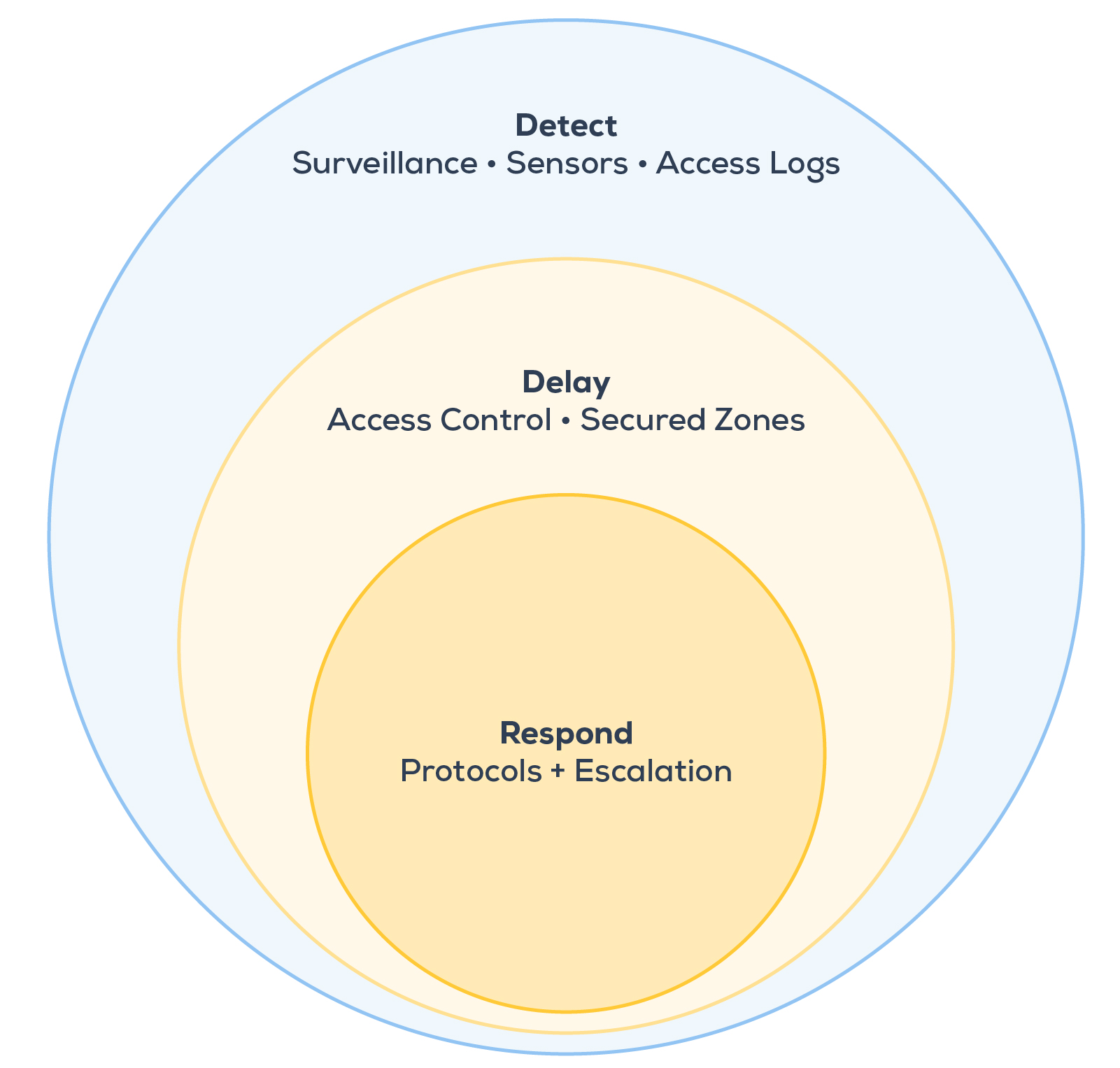
The technologies below have a real track record for keeping students physically safer, and they work best layered together instead of installed one at a time.
Video surveillance for schools
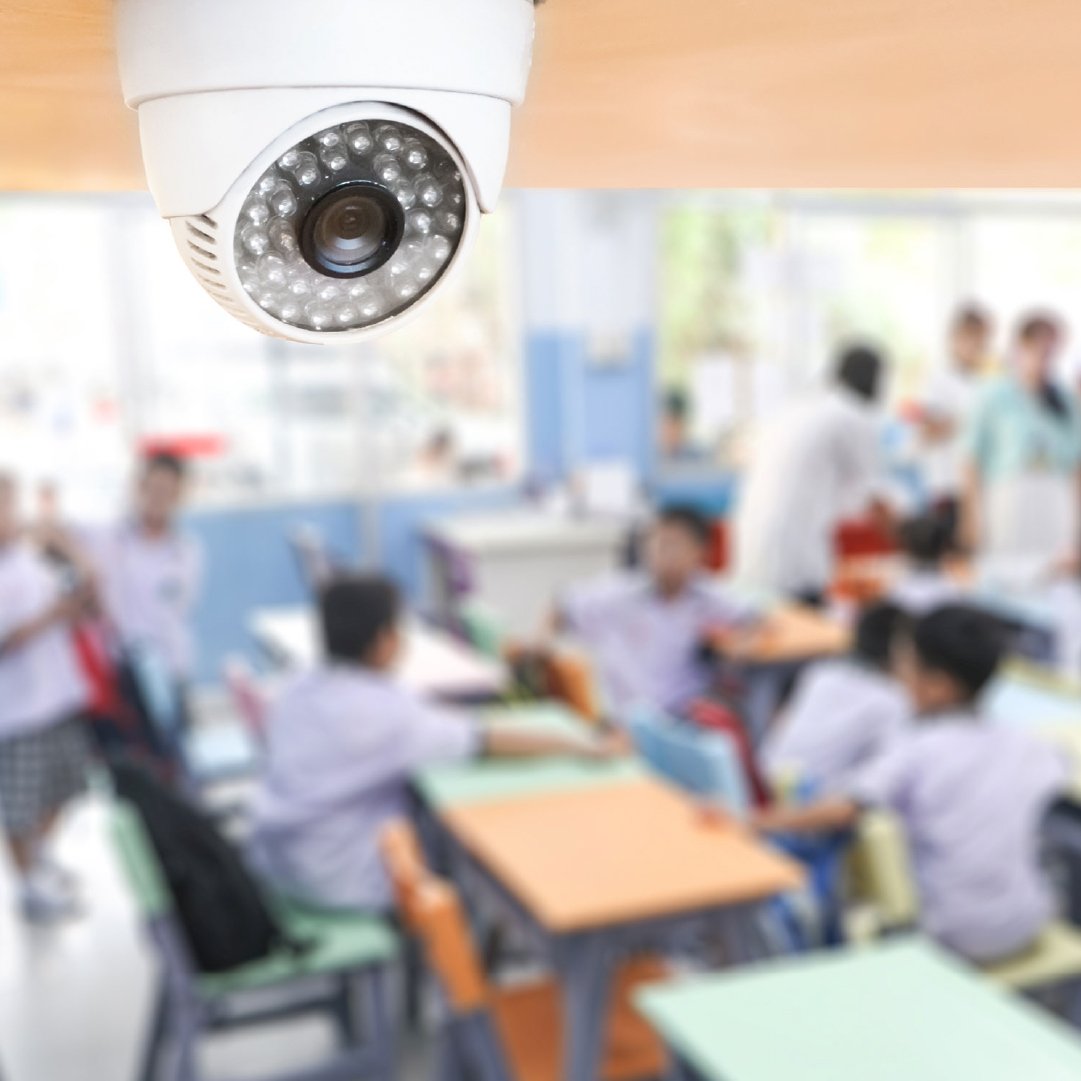
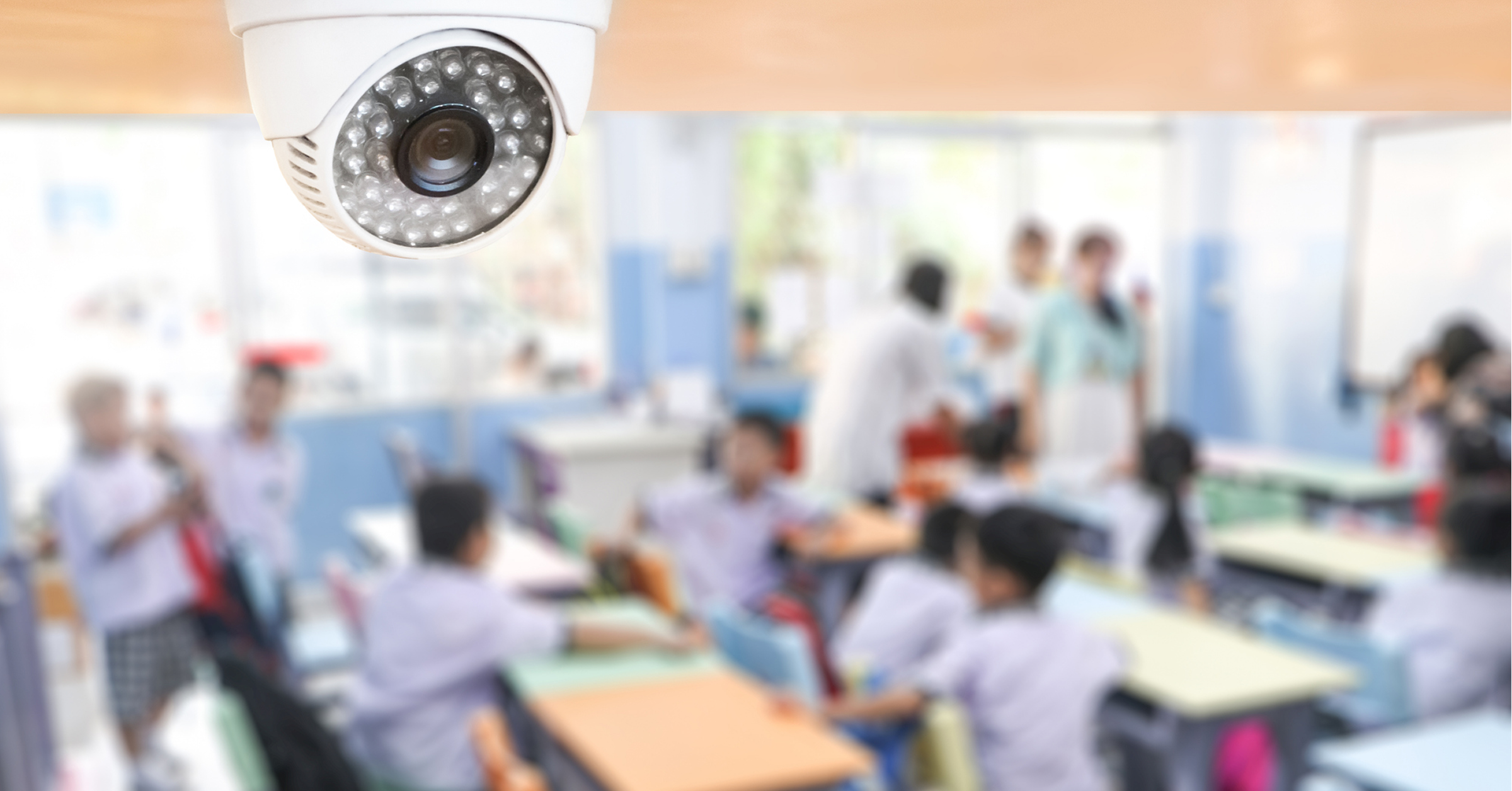
It's hard to know what's really happening in hallways, stairwells, parking lots, and school grounds without some way to monitor them. Video surveillance systems do more than record — they act as a deterrent, and they give you a clear record when something does happen.
A few numbers to keep in mind:
- Cameras are now used by 93% of public schools, up from 61% in 2009
- CCTV technology is associated with a ~20% reduction in drug-related crime
Video surveillance systems have improved significantly over the past decade. On-premises systems tend to offer sharper detail but are more vulnerable to physical tampering. Cloud-based systems need less maintenance and simplify life for your IT staff, though you'll want an experienced provider to help keep footage secure from hacking.
Just keep in mind that cameras work best when they're actively monitored and paired with other measures, like better lighting and access control, rather than installed and forgotten.
Facial recognition and other add-ons
Some newer technology integrates with video surveillance to recognize faces or scan for elevated body temperature.
Alarms, vape sensors, and gunshot detection
Modern alarm systems do more than make noise during a fire. They can integrate with access control to seal off parts of a building automatically, and they can flag a breached perimeter or a door left open so you can respond in minutes.
Paired with video surveillance, alarm systems can also help you spot vaping on your campus. When a sensor detects secondhand aerosol, it sends an alert with the location, so you can follow up with students and families directly.
And in the rare event of an active shooter, gunshot detection sensors can identify the shooter's location and cut response time.
Access control for schools
Keys are a problem, and they’ve always been a problem. Believe it or not, there’s no law against copying a “Do Not Duplicate” key. You can’t tell if a key has been copied. And you also can’t immediately cancel someone’s access to your facility.
Access control systems solve this. Badges can be limited to specific areas, revoked instantly, and issued to staff or approved visitors, including digital credentials sent straight to a smartphone.
On-premises systems put your team in charge of day-to-day management; cloud-based systems can be managed remotely, cost less upfront, and get installed faster, with your provider handling integration and support.
Comprehensive visitor management
97% of public schools now require visitors to sign in and wear a badge, and for good reason: an unaccounted-for adult in a hallway is one of the easiest security gaps to close.
A visitor management system, built on the same access control platform, typically covers:
- Digital sign-in at the front entrance instead of a paper logbook
- Temporary badges or credentials that expire automatically at the end of a visit
- A record of who was on campus, when, and why — useful for daily operations and for review after the fact
Cost-effective ways to fund school safety solutions

School budgets have always been tight, which is why my team works with government organizations and nonprofits to help schools access security technology without stretching an already thin budget further.
Our pre-bid CPC contracts give schools in Minnesota, North Dakota, and South Dakota faster purchasing and competitive pricing on security cameras, intrusion detection, and access control systems.
You can also check whether your district qualifies for funding earmarked for safety upgrades through an online grant finder. Every school's risks, facilities, and goals are different, so we wouldn't recommend a system without understanding yours first.
Frequently asked questions about school security systems
Here are the questions schools ask us most when they're weighing security upgrades.
What is a school security system?
A school security system combines multiple technologies — video surveillance, access control, alarms, and often visitor management — into one coordinated approach to protecting students, staff, and the building. Instead of relying on a single measure, these systems work together, so a gap in one area, like a propped-open door, gets caught by another, like a camera or alarm.
How much does a school security system cost?
Cost depends on the size of your facility, how much existing infrastructure you can build on, and which technologies you choose. Programs like the Cooperative Purchasing Connection and federal or state grants can lower the cost significantly for public schools and nonprofits. Looking at what's available through a grant finder is a good first step before assuming an upgrade is out of reach.
What's the difference between on-premises and cloud-based school security systems?
On-premises systems are managed and stored on-site, which gives your team full control and can mean sharper image detail, but they require more on-site maintenance and are more vulnerable to physical tampering. Cloud-based systems are managed remotely, need less day-to-day upkeep, and are often more affordable to start, but they need strong safeguards against hacking. Most schools land on a mix based on budget and staffing.
Do schools need a visitor management system?
Not every school has one yet, but it's quickly becoming standard: 97% of public schools require visitors to sign in and wear a badge. If your school already has access control in place, adding visitor management is usually a matter of extending that system rather than buying something new.
The simplest way to get what you need
Every school's risks, budget, and building are different, so there's no single system that’s the right fit for everyone. What matters most is finding the right mix of cameras, access control, and alarms so that your people get the protection they need without the additional work they don’t.
You’re welcome to reach out to talk to my team about what might be the best fit for your school, and how we can help you save. Or click the link below to get an overview of what we offer.