 Almost everyone who works in an office setting needs access to a printer. Whether to print forms for a client, keep records of important files or mail communications to a database of prospects or customers, printers are an indisputable part of daily work life. Serving as the easiest and fastest way to create and share physical documents, virtually every business around the world relies on printer access.
Today, fast and efficient printers are extremely affordable. Current technology can connect multiple computers to a printer located anywhere in the office, reducing the number of printers required. This capability drastically changed how offices use printers. Many businesses eliminated many local, or desktop printers, because it was much more efficient to have a shared device. However, I still believe local printers serve a purpose in a number of circumstances. But before we look at those, let’s briefly look at the evolution of this trusted and essential technology.
The Evolution of Computer Printers
The first high-speed printer debuted in 1953. Due to its size and price, the device was not popular, but served to lay the framework for technology to come. The original laser printer, called EARS, was officially introduced in 1971 by Xerox. Six years later, the company introduced a more affordable and user friendly alternative, called the Xerox 9700 Electronic Printing System. In 1976, IBM released a similar system that was first installed in an office in Wisconsin, serving as the first commercial use of a modern printer.
Since the mid-1990s, printers have been standard in offices across the country, providing easy access to printed documents. Today's printers are faster and more affordable than ever, allowing individuals to print out dozens of sheets per minute.
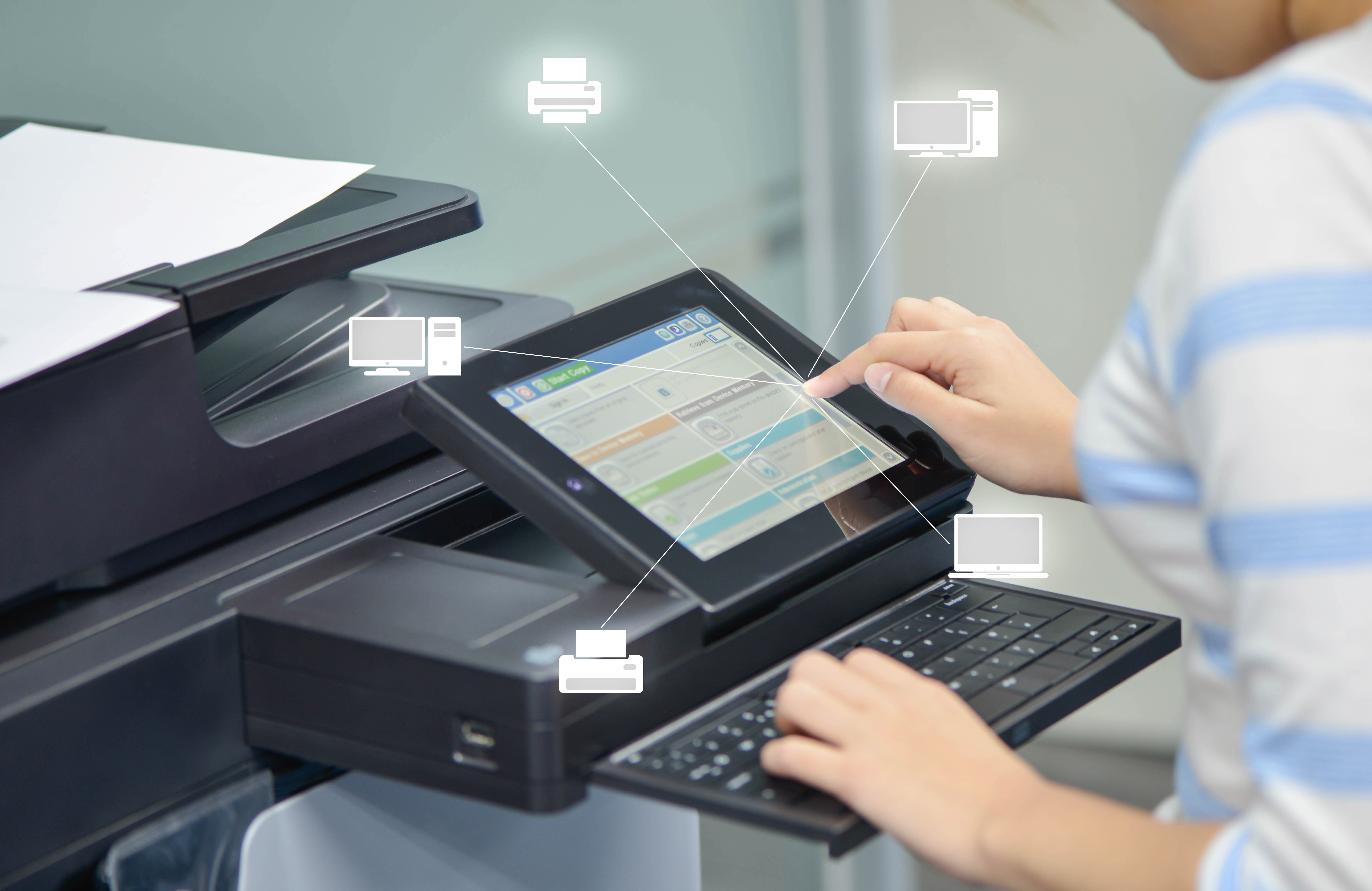
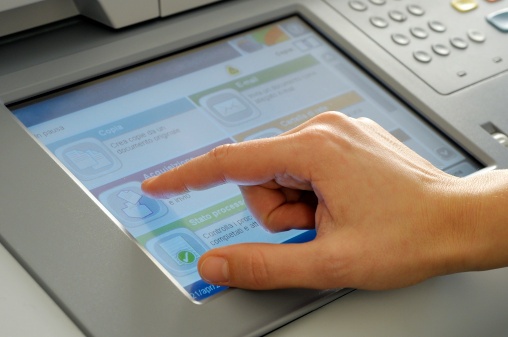
Historically, printers had to be directly connected to a computer, limiting a printer to one computer and one computer only. However, as technology evolved, so has the ability to connect a printer to a wired or wireless network. This technology makes local desktop printers largely unnecessary – or so many companies believe. With one central printer located in a universal space multiple employees can access, companies can save hundreds every year. Unfortunately, limiting access to local printers can impair a company in other ways.
Utilizing Local Printers
Network printers appear, on the surface, to have eliminated the need for local printers. With the simplified and shared access a network printer can provide, the need for individual local printers has become much more difficult to identify.
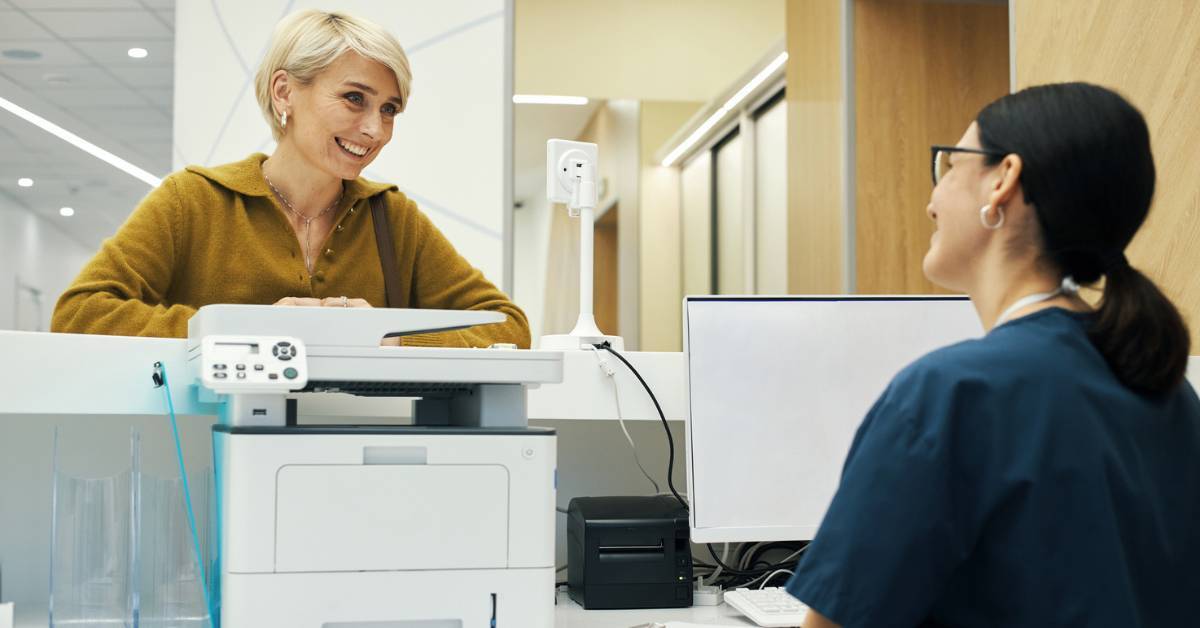
Despite the utility of network printers, local printers have extensive uses in many business situations, especially in instances where a quick turnaround is required. For example, receptionists in many industries, including medical offices and financial practices, require access to documents immediately for client review. A local printer can facilitate this need, saving time and effort for employees. Many insurance, banking and sales transactions often require printed documents to facilitate the sales process, making a local printer an important asset for quick turnarounds.
Local printers can also be used to more securely protect confidential information. Attorneys, accountants, healthcare providers and other professionals who value the security of client information can benefit from access to a private printer. Providing several key employees with local printers can support the smooth operation of their job and your business.
Local printers can also further a company's professional reputation. When clients and customers visit, having immediate access to documents can be effective in creating a quick and reliable experience.
While network printers may have many advantages, local printers are highly useful and at times required, in some scenarios. From law offices to receptionists in almost every industry, local printers can provide quick and confidential access to documents. With an ability to offer convenience for professionals in all levels of an industry, local printers still serve an important purpose.