
Today the cloud services available are a fairly new concept to many businesses, because up until this point they have been too expensive or impractical for their needs. The newness and unfamiliarity with this technology raises many questions. To help, we’ve created a list of the common questions with answers that should help you grasp the purpose and benefits of cloud storage solutions.
Cloud storage and services becoming mainstream in our continually advancing business world and will likely become a necessary component of successful business operations. This 2-part article should be helpful for the businesses proactively seeking cloud solutions to improve workflow and enhance their technology strategy as well as those that are on the fence about the effectiveness it can provide their organization.

What is the cloud?
The cloud is a metaphor for the internet that was born from diagrams depicting the internet as a cloud. These diagrams have been in use long before the term “cloud” evolved. Checking email, social media interaction and file storage and transfer are some of the most common uses of the cloud. This used to be classified as using the internet, but now can be referred to as cloud capabilities.
Where is my data?
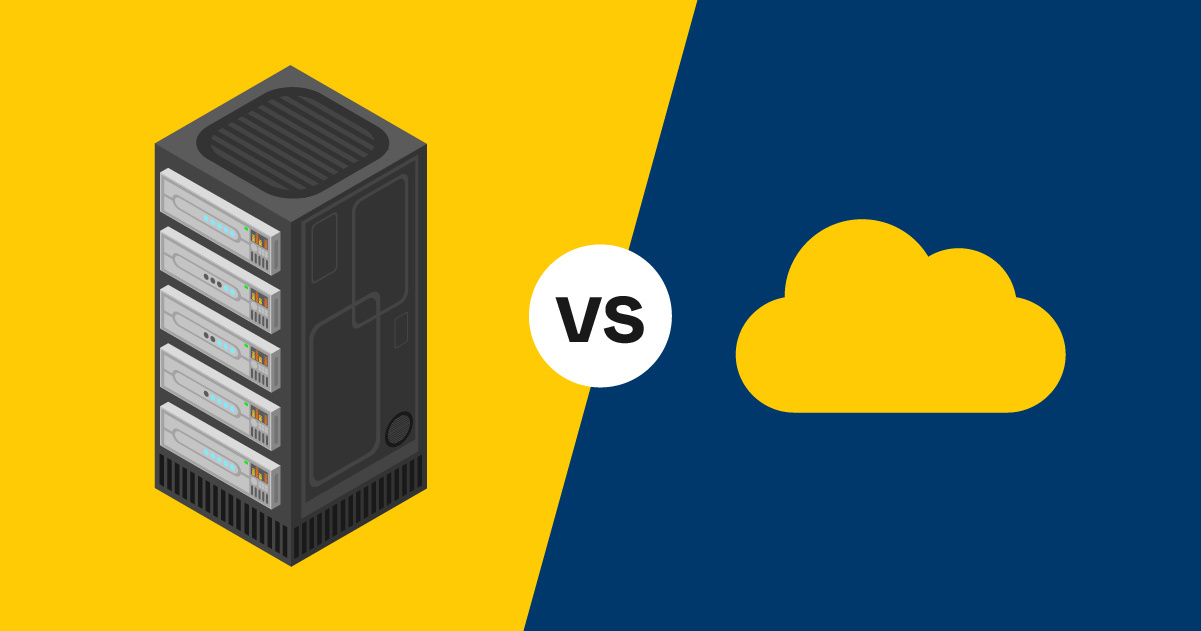
Your data is stored in dedicated, private virtual servers. Currently, your data most likely lives in some form of on premise data center that is made up of servers, hard drives and back-up power supplies. A transition to the cloud enables you to eliminate most of this costly and bulky equipment because your data will live in a secure, off-site data center.
One of the benefits of working with a local cloud storage and services provider is knowing the physical location of your data, as well as the people working to manage and protect it. For example, our cloud servers are located in a state of the art SSAE 16 data center in the Twin Cities that is equipped with enterprise level security and redundant internet and power. Our cloud infrastructure is owned and managed by us – not outsourced to unknown third parties. This knowledge often provides peace of mind for those that are apprehensive about moving their data outside their office.
How do I migrate my data to the cloud?
If you partner with a local provider, they handle the transfer of your data from your internal equipment to the off-site cloud storage location. The methods to implement the transfer may differ among providers, but we copy your data to the cloud using an external hard drive attached to your current server or transfer the files over the internet via a secure method (like an FTP server).
A cloud storage and services provider will develop a migration plan with you that will define the transfer timeline and the steps of this process.
Is it secure?
All cloud providers will claim their facilities are secure – but the proof lies in the efforts being executed to secure your data. Our data center is secured by round the clock automated and manned surveillance. The cloud environment is protected by top of the line, enterprise level security devices and is monitored 24 hours a day, seven days a week.
This type of security is a huge benefit of cloud storage and managed services because it is generally not cost effective for most businesses to acquire and manage this on their own. Cloud providers can offer this security at a reasonable price because their costs are shared across their many customers.
Stay tuned for the 2nd part of this article to learn about data backup, accessibility and mobile capabilities.
If cloud storage and services are something you are interested in exploring for your business, request to talk with a Marco cloud specialist.










![Cloud vs. On-Premises Communications [Infographic]](https://www.marconet.com/hubfs/UCaaS-infographic.jpg)