Your network is a vital component of your daily business operations. Every moment without your network results in lost productivity and potentially missed sales opportunities. Put in its simplest terms, your network sustains your business. It needs to be kept safe and managed appropriately.
In this blog, I’ll provide practical tips on what your business network needs to function at its best.
What Does Network Management and Maintenance Look Like?
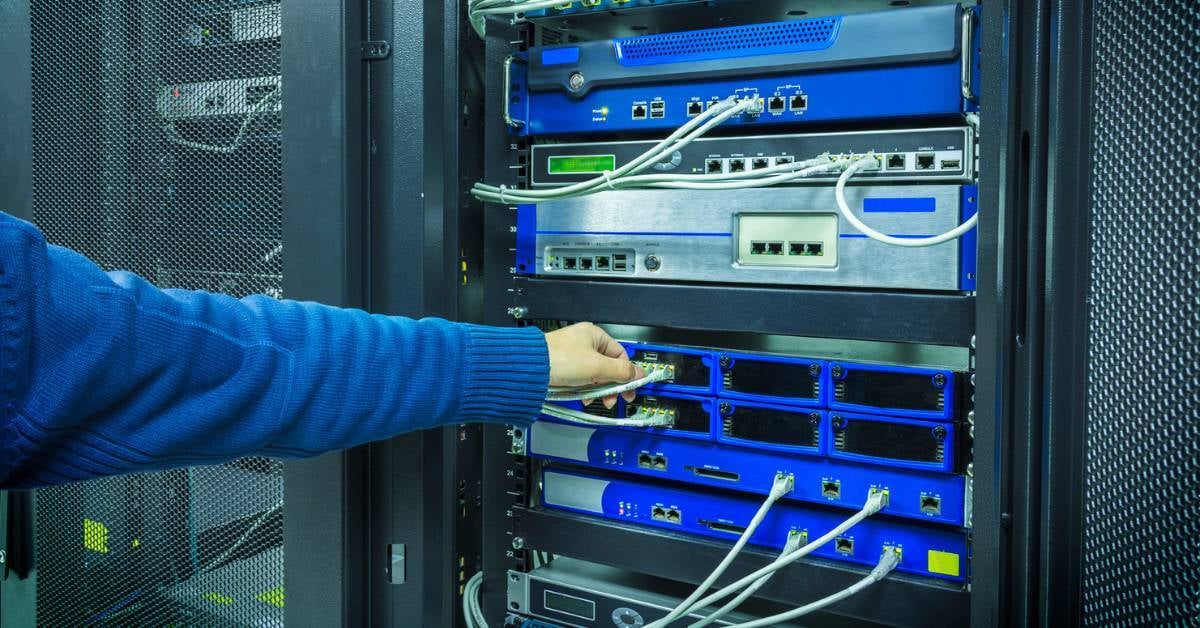
Your network consists of the collection of devices that are connected to shared resources — everything from routers and switches to access points and end-user devices like computers, phones, and printers. So, effective network management is all about making sure these components work together efficiently and securely.
At its core, network management involves:
Continuous Monitoring and Performance Optimization
Modern network management requires real-time visibility into how your network is performing. This means tracking metrics like bandwidth usage, CPU performance on network devices, data transfer speeds, and response times. By monitoring these indicators, potential issues can be identified before they impact your operations.
Configuration Management
Every device on your network needs to be properly configured to work within your infrastructure. This includes setting up security policies, managing access controls, and ensuring devices communicate effectively with one another. As your business grows and technology evolves, these configurations need regular review and updates.
Security Management
Protecting your network requires multiple layers of defense. This includes implementing firewalls to block suspicious activity, enforcing strong authentication measures, managing vulnerabilities, and monitoring for potential threats like ransomware or denial of service attacks. Network security isn't a one-time setup — it's an ongoing process of identifying risks and implementing protections.
Regular Maintenance and Updates
Network devices require software updates and patches to address security vulnerabilities and improve performance. Firmware on routers and switches, operating systems on servers, and security software all need to stay current. Regular maintenance also includes tracking hardware health and planning for upgrades before equipment fails.
Provisioning and Resource Allocation
As your business needs change, your network must adapt. This means allocating bandwidth appropriately, ensuring mission-critical applications get priority access to resources, and provisioning new devices as employees join or technology needs expand.
Common Network Issues To Watch For
Networks are complex, and when they fail, there can be serious consequences. Here are some of the common network issues businesses experience:
- Incorrect or poor cable connections
- Damaged cables
- DNS or ISP failure
- Insufficient bandwidth for data transfer
- Incompatibility or missing system requirements
- Security vulnerabilities and viruses
- Outdated firmware or software
- IP address conflicts
- Improperly configured devices
- Routing loops
The Challenge of Growing Networks
The larger your network, the more complex these management tasks become. A small office with a handful of devices requires significantly different resources than an organization with multiple locations, hundreds of users, and cloud-connected applications.
Many businesses find that as their networks grow, dedicated expertise becomes necessary to maintain optimal performance and security.
When To Consider Adding a Network Management Service

As networks grow in complexity, many businesses reach a point where their current resources are stretched thin. Here are some signs it may be time to consider outside expertise:
1. Your IT Team Is Overwhelmed
If network management is just one of many responsibilities competing for your IT staff's attention, critical maintenance tasks and security updates may be delayed. When routine monitoring becomes reactive firefighting, it's a signal that additional support could help.
2. You're Experiencing Frequent or Prolonged Downtime
Occasional network hiccups are normal, but if you're dealing with regular outages, slow performance, or issues that take hours or days to resolve, specialized network management expertise can help identify root causes and implement preventive measures.
3. You Lack Visibility Into Your Network's Health
If you can't easily answer questions like "What's consuming our bandwidth?" or "Are all our devices properly secured?", you may not have the monitoring tools or expertise needed for proactive network management.
4. Your Network Is Growing Rapidly
Adding new locations, onboarding remote workers, or connecting new cloud applications increases network complexity exponentially. Organizations experiencing rapid growth often find that their network management needs outpace their internal capabilities.
5. Compliance and Security Requirements Are Increasing
Industries with strict regulatory requirements need robust network security and detailed documentation. If keeping up with compliance standards is becoming a burden, specialized network management can ensure you meet requirements without diverting resources from other business priorities.
6. You Need 24/7 Monitoring
Networks don't take nights and weekends off, but small IT teams do. If after-hours issues regularly impact your operations, round-the-clock network monitoring and support may be worth considering.
Assessing Potential Network Management Solutions
Proper network management helps your business save money through increased productivity and decreased downtime. And that means — whether you manage your network in-house, augment your existing team with outside expertise, or fully outsource network management — your network needs the consistent, skilled attention it needs to support your business operations reliably and securely.
Not sure where your network stands?
A comprehensive technology assessment can help you identify gaps in your current network management, uncover potential vulnerabilities, and determine whether your infrastructure is truly supporting your business goals or holding you back. Click the link to learn more about how our technology assessment is different from what’s normally out there.