Q&A: Sourcewell Contracts Benefit Nonprofit Organizations, Here's How!
When you're tasked with finding the best communication solution for your organization, getting quality products and services while staying within budget can be a real challenge. However, I have good news for you. There is a way to simplify the competitive solicitation process and still get you the best price and the flexibility to choose your service provider.
Sourcewell Contracts allow nonprofit organizations to skip the competitive solicitations and RFP process and go straight to getting the technology,
Q: Why Should a Nonprofit Organization be Interested in an Sourcewell Contract?
A: Sourcewell’s video explains this best:
Sourcewell contracts provide you a simple way to buy what you need – without sacrificing quality or creating long-term frustrations by purchasing an inadequate phone system. Sourcewell does the heavy lifting by completing the process for you. Plus, their competitive solicitation process leverages the volume of nonprofit organizations across the country, allowing them to consider more than just price.
Here’s a quick snapshot of the benefits Sourcewell contracts provide nonprofit organizations:
- Get the right product, for the right price.
- Satisfy your competitive solicitation requirements.
- Design a telecommunication system specific to your needs.
- Work with the provider you choose.
Q: When Might a Nonprofit Organization Need an Sourcewell Contract?
A: The simple answer
So, when the time comes for your nonprofit organization to replace or upgrade their telecommunication and collaboration systems, contact center solutions or cloud services, inquire about an Sourcewell contract, and save yourself some time and resources.
Q: How Does a Nonprofit Organization Become a Member?
A: Under Minnesota Statute 471.59 Joint Exercise of Powers Law and Sourcewell’s enabling legislation, nonprofit organizations anywhere in the United States are authorized to participate in Sourcewell. And, becoming a member of Sourcewell is free and easy. Simply click here and complete the Sourcewell Online Application; within 24 hours you will receive your member ID.
As a member, you have access to all vendor contracts but retain the ability to buy from other contracts. Sourcewell membership is non-exclusive, no-cost, no obligation, and no liability. Sourcewell’s purpose is to reduce the cost of procurement for national not-for-profit organizations in the most convenient way possible.
Q: Are Nonprofit Organizations Able to Use the Service Provider of Their Choice?
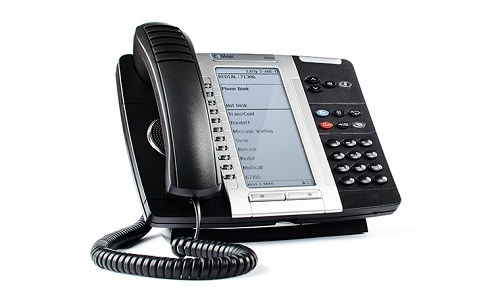
A: When purchasing a telecommunication system, Sourcewell is merely the contracting agency, and Mitel is the equipment vendor; it's up to you to choose a trusted provider to help you design, implement and support your communication and collaboration system.
Q: How Does the Purchasing Process Work?
A: With so many parties involved, the purchasing process may appear confusing. However, it is actually quite simple. You or your provider will work directly with the vendor (i.e. Mitel) for product, service, ordering and delivery information. If you are working directly with the vendor, then they will bill you directly according to the Sourcewell contract terms and conditions. If you choose to work with a provider, then the vendor will bill the provider, and your provider will bill you.
Simply stated, Sourcewell contracts help you do more with less. These contracts allow nonprofit funding to go further. Limited time and budgets make finding and investing in technology a challenge, especially for nonprofit organizations, where budgets are tight, personnel resources are stretched thin and allocated funds need to be spent intentionally. These contracts can save you time and money – and make your money go farther. To learn more about this opportunity and how it can help your nonprofit organization, contact a Marco rep:





.jpg)