
 What company wouldn't want to pay less for their computing needs while getting greater access to files and applications, better security and more flexibility? Cloud computing offers all of this and more. In fact, cloud computing is revolutionizing how small and mid-size businesses use computer technology. Applications and processes that were only affordable for large corporations a few short years ago are now within the means of virtually any business.
What is Cloud Computing and How Does the Cloud Work?
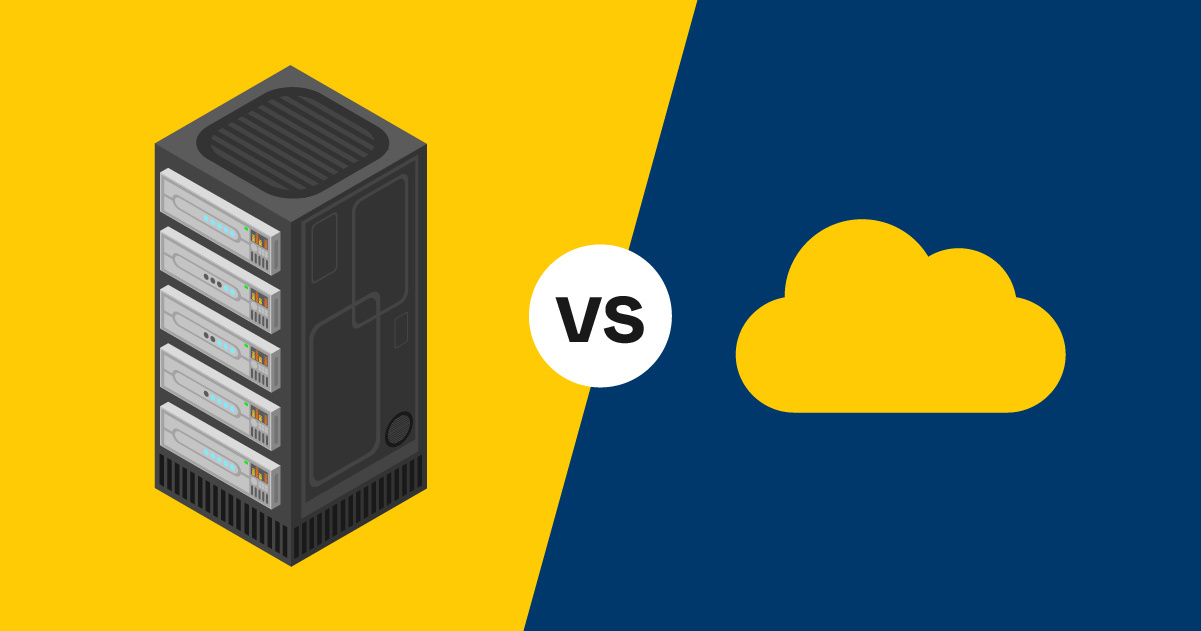
The term cloud computing refers to business applications, storage and other functions that make use of off-site servers, rather than a company having to purchase, house and maintain computer servers on-site. With cloud computing, document storage and files of computer applications are hosted off-site and connected to your office computers via the Internet.
How Hosted Cloud Services Benefit Businesses Today
Cloud services offer a myriad of benefits for businesses today. The key advantage is that companies only have to pay for the server space that they need, as they use it. They don't need to invest in expensive in-house servers as well as the space to house them, the utilities to heat and cool them and the employees to maintain them. For instance, before the cloud, companies with websites had to invest in much more server space than they used on a daily basis so they could accommodate the occasional spikes in web traffic and avoid their site being unavailable.
In addition to saving space, time and money, utilizing the cloud has several other distinct advantages. These include:
Portability
With the cloud, you can access information from any computing device, not just a single company network. If your company has multiple employees working at home or from another off-site facility, they can all access documents and use applications that are stored in the cloud.
Security
Because security is handled in one centralized secured data center, security can actually be tighter with cloud-based computing. In addition, when you work with a trusted cloud service provider, your data is replicated at a second data center as another layer of backup for disaster recovery.
Economies of Scale
Because many businesses are sharing the same server, each company generally pays much less than if they hosted their own servers.
Flexibility
The cloud has the ability to adapt. If your business grows suddenly, the cloud can handle your extra computing needs quickly. Conversely, if you have a sudden downturn in business, you can purchase only the amount of storage space your business requires.
Reliability
Cloud computing significantly reduces the risk of website downtime and documents not being available when you need them.
Cloud computing is a relatively new way of handling IT business needs. As this technology and concept develops and more uses for the cloud are envisioned, businesses of all sizes will continue to reap the rewards of having access to "big company" computer technology and storage with "small business" budgets.
Working with a reputable managed cloud services provider simplifies this technology even further. Your provider will help you determine the cloud storage space and infrastructure your business requires. Additionally they can help you transition from your current IT setup, and monitor and manage your network and data moving forward. Talk to a Marco Cloud Services Specialist to discuss how the cloud can benefit your business.










![Cloud vs. On-Premises Communications [Infographic]](https://www.marconet.com/hubfs/UCaaS-infographic.jpg)