
Now, I am not talking about condensed water vapor floating in the atmosphere – I am referring to the infrastructure that stores data, and is accessed via the Internet.
While the general understanding of what the cloud is and how it is used is continuing to grow, we’ve found that many users associate “the cloud” with their smart phones. Take a look:
This makes perfect sense because for many users, iCloud - Apple’s cloud storage service that was released Fall of 2011 - was their first known encounter with cloud computing. Apple helped users connect this seemingly complex storage process with the industry terminology by simply using the word “cloud” in their application name; this helped us understand how our photos, music, documents and data were being stored and capable of being accessed on all of our Apple devices.
Compare this to other consumer applications like Google Drive, DropBox, Facebook, LinkedIn, etc., which have been used for years; all of these applications rely on the cloud, yet many users don’t associate them with cloud computing.
So now the question is, does it really matter how these applications store and manage your data?
Short answer: Yes.
Cloud Computing Basics All Users Should Know
Truly understanding how the cloud works can help you make better use of this technology. For example, if you just thought Google Drive was a file storage application, you may not use it to collaborate with others or access your documents from any device at any time.
#1 The Cloud Enhances Collaboration
For personal use - imagine where you would be without Facebook, Pinterest and Instagram. These and many more social media platforms encourage you to share, connect and communicate with those in your networks. For business use - collaboration becomes easier and more organized - especially as our workforces become more mobile and remote.
Learn more about business collaboration and the cloud in this blog: 5 Benefits of Cloud Collaboration.
#2 There are New Security Elements to Consider
Trust, confidentiality, compliance and data integrity are new security elements to take into consideration as you use cloud-based applications or implement a cloud computing infrastructure in your business. Whenever you create an account on a cloud-based application you’ll be asked to agree to their terms and conditions – these should be explained in that agreement and it's important that you understand what you're signing up for.
For businesses with security concerns, see our full explanation of how cloud providers handle these here: How Valid are Cloud Computing Concerns.
#3: Save Valuable Space
For personal use, this generally relates to your hard drive. The space on your hard drive, or any portable storage device (USBs, disks, etc.), is finite. Plus, it is only accessible from the device it is connected to. In the cloud, you can easily add space to your storage and access content from any device.
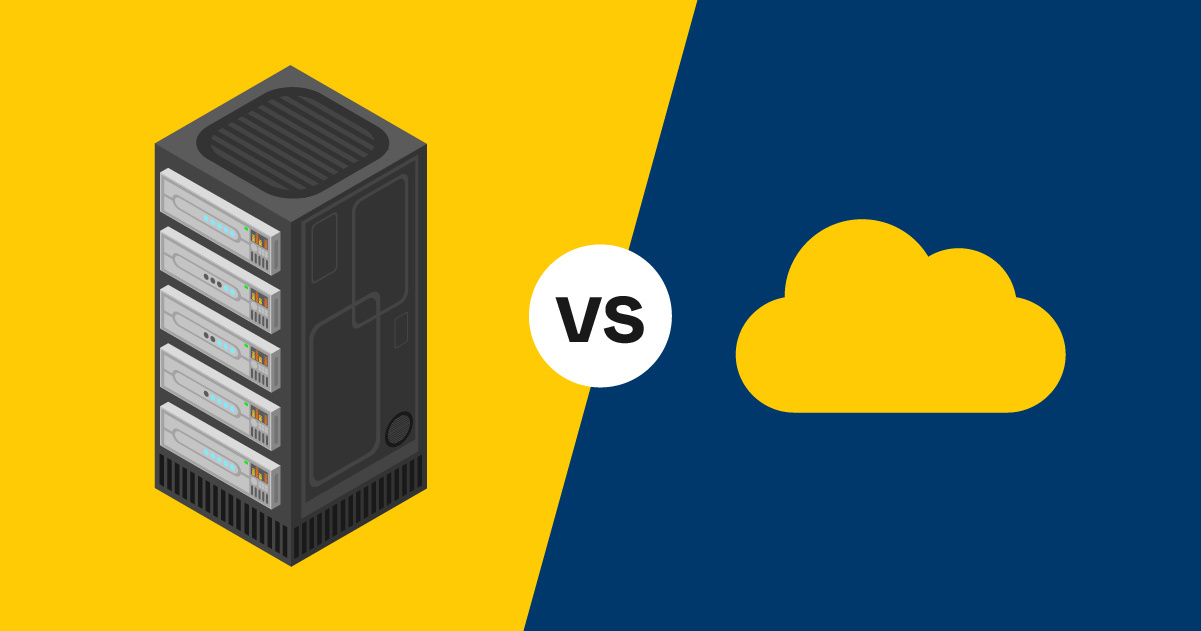
For businesses, cloud computing helps you reduce your physical footprint by freeing up valuable workspace that would otherwise be devoted to IT infrastructure. Rather than using an entire room to house servers and manage a data center, you can enjoy a much smaller IT footprint with wireless devices and limited servers on your premises.
Take a look at these cloud migration experiences:
To learn more about the cloud, and if it is right for your business, download our free cloud checklist:










![Cloud vs. On-Premises Communications [Infographic]](https://www.marconet.com/hubfs/UCaaS-infographic.jpg)