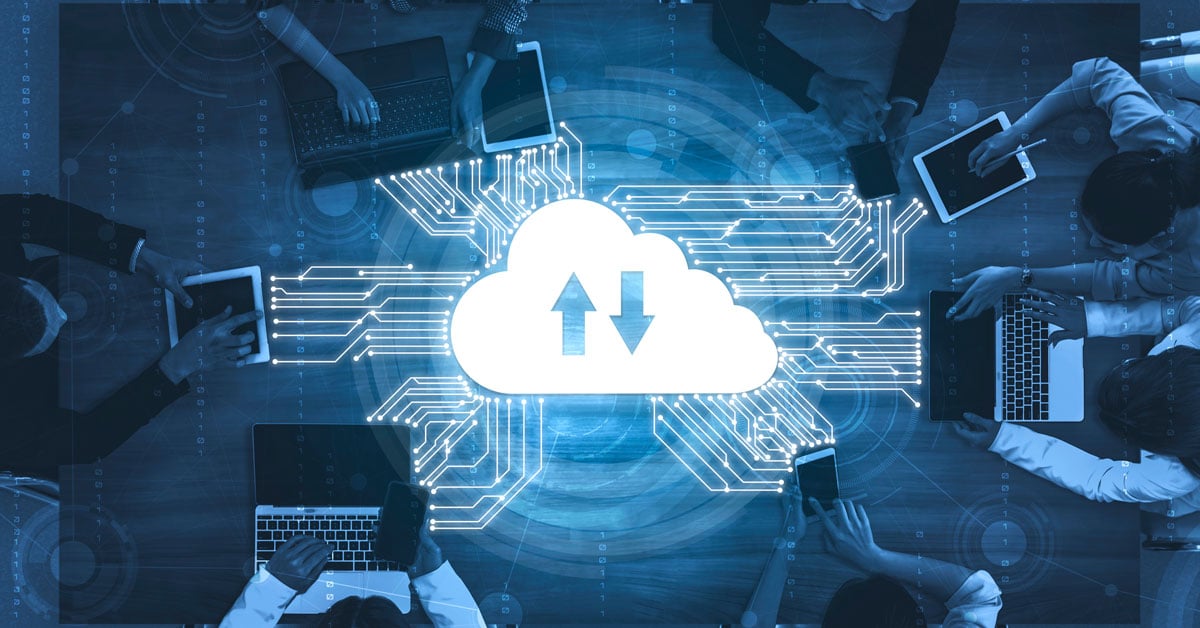
The best business meetings happen face-to-face. You have the opportunity to read body language, hear voices and truly grasp the meaning and “personality” of the meeting. But due to travel costs and time commitments, in-person meetings aren't always feasible. That's where video conferencing comes in. Video conferencing allows people to "meet" face-to-face regardless of their location in the world.
Of course, not all video conferencing systems are created equal. The best systems are those that run smoothly and are easy to use, both of which are features of all Cisco’s video conferencing systems.Here are four advantages you'll receive by using any of Cisco's video conferencing systems:
1. Instant Connection
Arguably the biggest advantage of video conferencing is the instant connection it provides. Essentially, you get the benefit of an in-person interaction regardless of the amount of people involved or where those people are located. If body language and tone make up a substantial portion of human communication, imagine how much is being lost when you're stuck sending an email or discussing on the phone. Cisco’s systems eliminate these communication barriers, allowing your business to solve problems faster and more reliably than before.
As a secondary benefit, Cisco's video conferencing systems are also a budget saving technology. They eliminate the need for travel – so your business can cut back spending on hotel rooms, airline tickets and mileage. If you need to connect with another team of people, especially if long distances separate you, this can result in significant cost savings.
2. Simple Hardware
Unlike some video conferencing systems, Cisco's system is designed with minimal infrastructure requirements. Your business will need the basic infrastructure, cameras, servers to facilitate connectivity and scheduling. With these components, your end users can easily operate your video conferencing software.
By keeping infrastructure simplistic, Cisco ensures that every business can easily acquire the necessary infrastructure to facilitate connections, regardless of where their attendees are in the world.
3. Connect Mobile Devices
Sometimes you may find yourself without a laptop available. With Cisco's video conferencing systems this isn’t an issue because you don't need to have a laptop or a desktop computer in order to join in. Instead, you can connect to any meeting with your tablet or smartphone. So if you ever get stranded without your computer, you won't have to miss your meeting – you can simply grab your mobile device and connect.
Again, this advantage becomes even more pronounced when a large number of people (especially mobile workers) are trying to connect to a video conference. Because a computer isn't necessary, clients and employees can simply use their smartphones instead, simplifying the process.
4. Geographical Independence
It doesn't matter where you are, Cisco's video conferencing systems let your business create a connection. You can video conference with someone who's just down the hall, on a different floor of your building, in a different city, or halfway across the world. It's just as easy for someone in Australia to connect as it is for someone in your office. Anywhere you have an Internet connection and computer or mobile device, you can join a video session.
Video Conferencing
In business, nothing beats an in-person meeting that starts off with a firm handshake – but video conferencing is the next best thing. Through video conferencing, your business can host meetings with employees and prospective clients, regardless of where they are in the world.
If you are interested in learning more about Cisco’s video conferencing systems, and discovering what your businesses video conferencing needs and requirements are, request a consultation with a Video Conferencing Specialist.





.jpg)